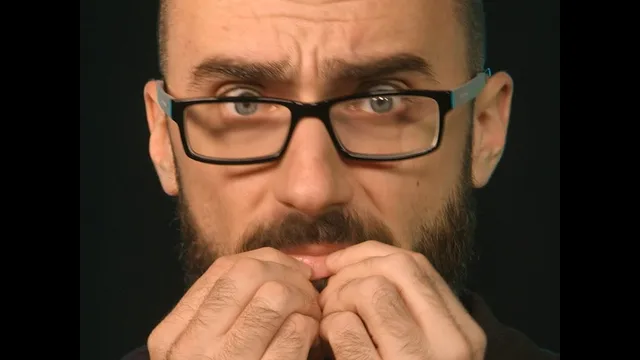
The Science of Awkwardness
Based on Vsauce's video on YouTube. If you like this content, support the original creators by watching, liking and subscribing to their content.
Awkwardness often appears in the “social expectations” zone—where actions aren’t illegal or physically impossible but still violate norms enforced by reputation.
Briefing
Awkwardness isn’t just an emotional nuisance—it’s a social “smoothing” mechanism shaped by biology, brain circuitry, and empathy. Small missteps like forgetting a name, oversharing in a bathroom conversation, or reacting too late to a social cue can feel like they threaten belonging. Yet those same signals often help people calibrate behavior, communicate cooperative intent, and prevent future friction.
Social life runs on overlapping constraints: physics sets hard limits, law sets enforceable boundaries, and social expectations fill the gray areas where rules aren’t illegal but are still policed by reputation. Awkwardness shows up precisely in that third zone. It nudges people away from certain actions and helps repair interactions when etiquette doesn’t provide a clear “right” answer—like how long a hug should last. The discomfort functions like a fine-grit tool: it sands down social dynamics when someone’s behavior lands slightly outside the expected range.
That calibration appears tied to trust and prosocial behavior. When people show appropriate embarrassment, remorse, or awkward discomfort, others tend to view them as more trustworthy and more forgivable. Experiments also find that these individuals often behave more prosocially in objective tests—more generous and kinder—even when they themselves don’t realize they committed a faux pas. In those cases, the discomfort spreads outward through vicarious embarrassment: empathy makes observers feel the cringe as if it might happen to them.
Empathy also helps explain why people can’t look away from cringe moments. Social missteps activate brain regions involved in physical pain, including the secondary somatosensory cortex and the dorsal posterior insula. The body treats social standard-breaking like a threat. The sympathetic nervous system kicks in—raising blood pressure, increasing sweating and breathing, shutting down digestion, and triggering nausea and “butterflies.” Even the urge to curl into a protective fetal position and the resulting shaking can compound the feeling of being “caught.”
Afterward, the mind keeps replaying the moment, partly because negative experiences stick more strongly than positive ones—a pattern psychologists call negativity bias. Oxytocin, often dubbed the “love hormone,” also plays a role: it supports prosocial trust and attachment, but it can modulate fear and anxiety and make emotional social cues—especially negative ones—more salient in memory.
Finally, awkwardness is softened by perspective. The idea that others aren’t constantly judging you is reinforced by the “protagonist disease” tendency to treat yourself as the main character while reducing others to background roles. A counterweight to that self-focus is “sonder,” the realization that every passerby lives a vivid, complex life. From that height, personal blemishes shrink—and the social world looks less like a spotlight on one person and more like a vast, ongoing story where everyone is just trying to get through their day.
Cornell Notes
Awkwardness functions as a social control system: it signals that someone understands norms and is motivated to keep interactions cooperative. When embarrassment appears at the right moments, others often judge the person as more trustworthy and more forgivable, and experiments link this to more prosocial behavior. Even when the awkward person is oblivious, observers can feel vicarious embarrassment through empathy. The body treats social threats similarly to physical danger—brain regions tied to pain activate, and the sympathetic nervous system drives sweating, nausea, and shaking. Afterward, negativity bias and memory salience make the moment replay harder, but perspective—especially the idea that everyone else is focused on themselves—can shrink the perceived stakes.
Why do small social mistakes create such intense discomfort?
How can someone feel awkward even if they didn’t do anything wrong?
What does neuroscience suggest about the relationship between social awkwardness and physical pain?
Why is it hard to stop replaying an awkward moment afterward?
How does perspective reduce self-conscious anxiety?
What is the role of oxytocin in social behavior and anxiety?
Review Questions
- What three layers of constraints (physics, law, and social expectations) help explain why awkwardness is so common?
- How do vicarious embarrassment and empathy differ from the embarrassment experienced by the person who made the misstep?
- Which brain regions and body systems are linked to social missteps, and what physical symptoms follow from that activation?
Key Points
- 1
Awkwardness often appears in the “social expectations” zone—where actions aren’t illegal or physically impossible but still violate norms enforced by reputation.
- 2
Appropriate embarrassment and remorse can increase perceived trustworthiness and forgiveness, and may correlate with more prosocial behavior.
- 3
Vicarious embarrassment spreads discomfort through empathy, even when the person who committed the faux pas doesn’t notice it.
- 4
Social missteps can trigger pain-related brain circuitry and a fight-or-flight response, producing sweating, nausea, and shaking.
- 5
Negative social memories persist more strongly due to negativity bias, making awkward moments easier to replay.
- 6
Oxytocin supports prosocial trust but also modulates fear/anxiety and can heighten the salience of social cues in memory.
- 7
Perspective—especially the shift from “protagonist disease” to “sonder”—reduces the sense that everyone is focused on your mistakes.