The Story Writing Song (Plot Mountain 2) Scratch Garden
Based on Scratch Garden's video on YouTube. If you like this content, support the original creators by watching, liking and subscribing to their content.
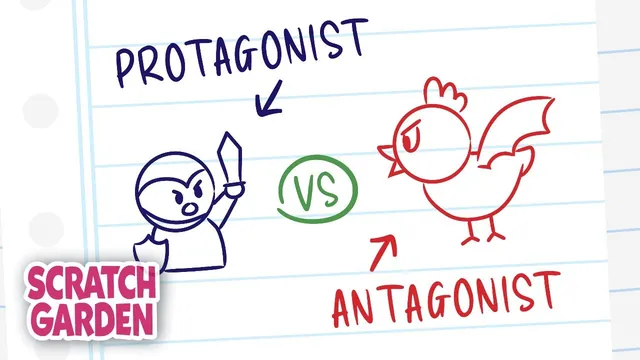
Build emotional investment through a protagonist and an antagonist, with conflict driving the story forward.
Briefing
A strong story depends on four core building blocks—characters, setting, point of view, and theme—then gets extra momentum from plot mechanics like pacing, foreshadowing, and subplots. The central idea is straightforward: readers bond with people (and their conflicts), feel atmosphere through place, understand events through a chosen narrative lens, and remember the work because it carries a meaningful message.
Characters drive emotional investment. The protagonist is the main character readers follow, while the antagonist creates the pressure that tests them. Importantly, neither side has to be flawless; character flaws make motivations believable and help audiences relate. The story’s “why” matters as characters grow and try to get somewhere, because motivations turn events into a journey rather than a sequence of scenes. The conflict between protagonist and antagonist becomes the engine that keeps readers cheering, worrying, and turning pages.
Setting shapes more than scenery—it molds action and mood. A sunny island can create a different emotional tone than a dark forest “filled with fear,” and the setting influences what characters think and say. Details about where events happen aren’t decorative; they help establish atmosphere and can even steer how characters behave.
Point of view determines how the story is experienced. First person places the reader inside the narrator’s perspective (“I see,” “I did,” “I felt”), while third person describes characters from outside (“He ran,” “she sang,” “they sat”). Choosing the narrator and voice affects which thoughts and feelings reach the audience, and therefore how closely readers connect to the protagonist’s inner world.
Theme provides the story’s guiding idea—an underlying lesson or big concept that can range from true friendship and courage in fear to choosing kindness over hate when enemies appear. Themes can also reflect growth through loss and gain, turning personal change into something larger than the plot itself.
Finally, plot needs to flow. Interest comes from extra elements: subplots can twist and expand the main storyline, foreshadowing can plant clues for later payoff, and pacing keeps the narrative moving so it doesn’t drag. Supporting characters can also be added to help the protagonist through challenges. Together, these components create a story that feels purposeful, emotionally engaging, and steadily forward-moving.
Cornell Notes
Effective storytelling is built on characters, setting, point of view, and theme, then strengthened with plot tools that keep events moving. The protagonist and antagonist create the central conflict, and character flaws and motivations make readers care as the protagonist grows. Setting provides mood and shapes action, influencing what characters think and say. Point of view—first person or third person—controls how readers experience events and emotions. Theme ties the story to a larger lesson, while foreshadowing, pacing, subplots, and supporting characters add momentum and interest.
Why do protagonists and antagonists matter more than “perfect” characters?
How does setting influence a story beyond background description?
What changes when a writer chooses first person versus third person point of view?
What role does theme play in guiding a story?
Which plot techniques keep a story engaging and moving forward?
Review Questions
- Which character relationship creates the main tension in a story, and how do character flaws strengthen reader connection?
- How do setting and point of view work together to shape mood and reader understanding?
- Name three plot techniques that improve pacing or interest, and explain what each one does.
Key Points
- 1
Build emotional investment through a protagonist and an antagonist, with conflict driving the story forward.
- 2
Use character flaws and clear motivations so growth feels real and relatable.
- 3
Choose a setting that actively shapes mood and influences character thoughts and dialogue.
- 4
Decide on a point of view (first or third person) to control how readers experience events and emotions.
- 5
Select a theme that provides a guiding lesson, such as courage, friendship, or kindness.
- 6
Keep plot moving with pacing, and add interest using foreshadowing, subplots, and supporting characters.