The Trolley Problem in Real Life
Based on Vsauce's video on YouTube. If you like this content, support the original creators by watching, liking and subscribing to their content.
Most participants did not pull the lever in a real-life trolley-problem simulation, contradicting the common survey answer of sacrificing one to save five.
Briefing
A real-world version of the trolley problem produced a result that clashes with the classic survey answer: when people believed they alone controlled a switch that could save five workers or sacrifice one, most did not pull the lever. Instead, many froze—often explaining afterward that they deferred responsibility to others, assumed the situation would be handled, or worried that acting would make things worse. The finding matters because it suggests moral “preferences” expressed in theory may not predict behavior under time pressure, fear, and uncertainty—exactly the conditions that autonomous-vehicle ethics and safety design must confront.
The experiment was built around Philippa Foot’s 1967 trolley problem: a runaway train threatens five people on one track, and a lever can divert it to a second track where one person would die. In polls, most people say they would pull the lever to save five. But the project aimed to test what happens when the dilemma is experienced as immediate, emotionally charged, and personally consequential rather than hypothetical.
To do that, the organizers sought ethical approval through an institutional review board, explicitly weighing psychological harm against potential social benefit. The team consulted behavioral neuroscience and emphasized safeguards: screening out participants vulnerable to traumatic reactions (including signs such as high suicidal thinking or acting out), providing an on-site trauma counselor, and conducting a structured debrief. The ethical groundwork was informed by the legacy of controversial experiments such as Stanley Milgram’s obedience studies at Yale, where participants experienced real distress even though no one was physically harmed.
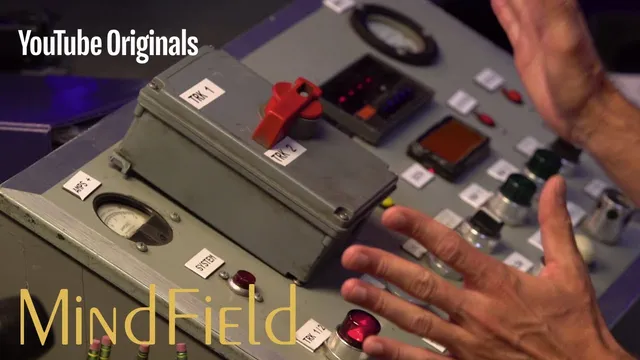
The staged railroad scenario used an abandoned line, a hired freight train, and a remote switching station with monitors showing “live” feeds. Participants were recruited under a cover story (a focus group about California high-speed rail) and then trained on how the switch worked by an experienced railroad actor. During the crisis phase, the operator left the participant alone in the station while actors stood on the tracks—five on one side and one on the other—while repeated warnings signaled that an object or train was approaching. Participants believed they were controlling the outcome in real time; phones were collected to prevent outside help.
When the warning sequence played and the train approached, none of the participants pulled the lever. Some moved toward action but stopped; others looked around for someone else to take charge, offered self-soothing behaviors, or treated the situation as something that would be resolved by technology or other workers. Elsa, for example, described feeling pressure and quickly deciding to switch to save more lives, but her choice was the exception rather than the rule. J.R. and others articulated a different logic: they “suspended responsibility” because they didn’t know what to do, assumed others would intervene, or feared making an irreversible mistake.
Afterward, participants were shown that no one was actually in danger—“everyone is safe” was displayed before any real impact could occur—and they met the actors during the debrief. Follow-up indicated most were doing well. The project concluded that behavior under moral stress can diverge sharply from what people claim they would do, and that freezing—common across animals—may be a default response when responsibility feels ambiguous. The central takeaway is not just that people hesitate, but that their explanations reveal how quickly “greater good” reasoning can collapse into uncertainty, attribution, and fear—conditions that any real deployment of moral decision-making systems will need to account for.
Cornell Notes
The classic trolley problem asks whether people would sacrifice one person to save five. In surveys, most say they would pull the lever. A real-life, ethics-approved experiment tested that choice under fear and time pressure by putting participants in a remote switching station with staged “live” train footage and actors on the tracks. Despite believing they alone controlled the switch, none of the participants pulled the lever; many froze or looked for someone else to take responsibility. The results highlight a gap between moral intentions and actual behavior, with major implications for how autonomous systems and human training should handle high-stakes dilemmas.
Why did the experiment focus on “behavior under pressure” rather than just asking what people would do?
How did the organizers handle ethics and psychological risk?
What did participants actually experience during the crisis phase?
What were the main reasons participants gave for not pulling the lever?
How did the study’s debrief change what participants understood afterward?
What does “freezing” mean in this context, and why is it central to the conclusion?
Review Questions
- How did the experiment’s design (cover story, remote station, warnings, phone collection) aim to make the dilemma feel personally consequential?
- What specific psychological mechanisms did participants describe when explaining inaction (e.g., responsibility attribution, fear of error)?
- Why might the classic “save five” survey result fail to predict behavior in the real scenario?
Key Points
- 1
Most participants did not pull the lever in a real-life trolley-problem simulation, contradicting the common survey answer of sacrificing one to save five.
- 2
Ethical approval hinged on minimizing psychological harm through prescreening, on-site counseling, and a structured debrief that clarified the staged nature of the scenario.
- 3
Participants believed they alone controlled the switch, creating time pressure and fear—conditions that exposed how quickly moral intentions can collapse into uncertainty.
- 4
Many explanations for inaction involved deferring responsibility to others or assuming the situation would be handled by technology or other workers.
- 5
The study found that freezing is a dominant response under threat when the “right” action is unclear, raising questions for how autonomous systems and human training should be designed.
- 6
The experiment’s safeguards were informed by past controversies in psychology, including Milgram’s obedience research, where participant distress was real even without physical harm.