The Ultimate Guide to Building a Lifestyle Business
Based on Ali Abdaal's video on YouTube. If you like this content, support the original creators by watching, liking and subscribing to their content.
A lifestyle business is designed around fun, fulfillment, and freedom, not billionaire-scale revenue targets.
Briefing
A lifestyle business is built for “fun, fulfillment, and freedom,” not for chasing maximum revenue at any cost—and the practical path to it starts with choosing a narrow target, focusing on one thing at a time, and designing work around energy and sustainability. The message is blunt about expectations: a lifestyle business isn’t a route to billionaire wealth, but it can deliver six figures (and sometimes low seven figures) while giving owners flexibility—running “on autopilot” to a degree, yet staying in control of their time rather than being controlled by deadlines.
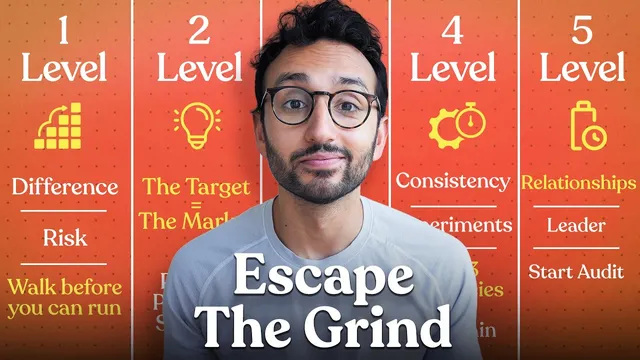
Chris Ducker, serial entrepreneur and author of Virtual Freedom and A Rise of the Upreneur, frames the core tradeoff as a shift away from hustle culture. He describes burning out after years of 15-hour days, then finding a happier model that earns less money but delivers more satisfaction, better clients, and lower stress. Risk, he argues, is unavoidable—relationships and parenthood carry it too—but many failures come from trying to run before learning to walk. The sustainable alternative is bootstrapping, avoiding overextension, and building a business for service rather than quick cash.
From there, the blueprint becomes a sequence of decisions. First: don’t spread effort across too many platforms and projects early on. Blogging, podcasts, YouTube, social media, email lists, speaking, and books can all be valid later, but in year one they often dilute attention and increase burnout. Multitasking is treated as a myth; the prescription is “one project to completion,” then move on.
Second: business ideas should be built around a person–problem–solution, not around generic “business ideas” like drop shipping or copying what’s trending. A key marketing principle follows: the target is not the market. Narrowing the target (the aiming point) makes messaging resonate more deeply, which can still expand reach to adjacent groups. Ducker uses a health-coaching example—helping men in their 40s recovering from surgery—to show how specificity creates trust through language that feels personal and urgent.
Third: monetization should match the audience’s willingness to pay, not the hobby’s popularity. Wildlife photography, for instance, may not pay well if aimed at students, but it can command high prices from wealthy hobbyists through coaching, limited prints, online courses, or even paid “photography hides” on private land. The same logic applies to retreats: a landscape photographer can shift from low-ticket courses to high-value, high-margin experiences for burned-out professionals.
Finally, staying in the game depends on managing time, energy, and focus—especially energy. Corporate work has expanded through devices and always-on expectations, so side projects often fail when people return home exhausted. The answer is recovery: better sleep, food, movement, and reducing reliance on coffee and sugar. Hustle is treated as a season, not a lifestyle.
The long-haul mindset ties it together: consistency beats loud quick wins. Ducker’s “stop, stay, start” audit—stop what drains, tweak what works, and start what’s been delayed—aims to prevent burnout while enabling new initiatives. Underneath it all is a relationship-first view of business: deepen a “rolodex” of trusted contacts, because support compounds over years. The result is a lifestyle business designed to last, not just launch.
Cornell Notes
The core idea is that a lifestyle business optimizes for fun, fulfillment, and freedom rather than maximum revenue. It’s not built for billionaire outcomes; instead, it targets sustainable income (often six figures, sometimes low seven figures) with flexibility and lower stress. The path starts by choosing a narrow target and building a person–problem–solution offer, then focusing on one project at a time instead of spreading across too many platforms. Monetization should follow who has money and pain, which is why retreats, coaching, prints, and premium experiences can outperform low-priced content. Long-term success depends on managing time, energy, and focus, using recovery as a competitive advantage, and applying a “stop, stay, start” audit to avoid burnout.
Why does “niche down” help growth even when it seems like it shrinks the audience?
What does “one thing to completion” mean in practice for early-stage online businesses?
How should someone generate a business idea if they feel they have “no ideas”?
How can a hobby become profitable without turning into a low-ticket, high-volume content grind?
Why do side projects often stall after a day job, and what’s the fix?
What is the “stop, stay, start” audit meant to accomplish?
Review Questions
- What’s the difference between a target and a market, and how does that change how you choose a niche?
- Give two examples of how monetization can shift from low-ticket content to higher-value experiences (retreats, services, or premium offers).
- How does managing energy (sleep, food, movement) affect the ability to sustain a side business alongside a day job?
Key Points
- 1
A lifestyle business is designed around fun, fulfillment, and freedom, not billionaire-scale revenue targets.
- 2
Sustainable businesses are built for service and value, often using bootstrapping and avoiding overextension.
- 3
Early-stage growth requires focus: complete one project before starting the next, rather than spreading across every platform at once.
- 4
Business offers should be built from person–problem–solution, and trust grows faster when messaging is specific and personal.
- 5
The target is the aiming point; narrowing the target can still expand the market by improving resonance and referrals.
- 6
Monetization should follow who has money and pain: premium experiences (retreats, paid access, limited prints) can outperform low-priced content.
- 7
Long-term success depends on managing time, energy, and focus, using recovery as a competitive advantage and applying a “stop, stay, start” audit to avoid burnout.