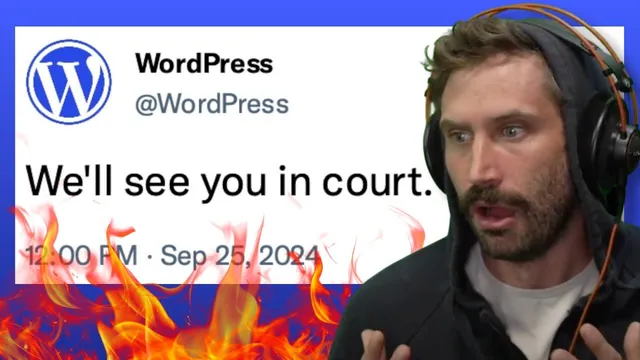
The WordPress Situation Is Wild
Based on The PrimeTime's video on YouTube. If you like this content, support the original creators by watching, liking and subscribing to their content.
WP Engine’s cease-and-desist letter frames Automattic’s public “cancer” remarks as potentially actionable if they caused measurable financial losses, not just reputational harm.
Briefing
A high-stakes legal fight between WordPress hosting provider WP Engine and Automattic CEO Matt Mullenweg has escalated from public accusations into formal cease-and-desist letters—centered on claims of extortion, trademark misuse, and alleged harm to WordPress users. WP Engine says Automattic’s pressure campaign included demands for tens of millions of dollars tied to Mullenweg’s “scorched earth” threats, plus repeated disparagement of WP Engine across public channels and even within WordPress admin experiences for customers. The dispute matters because it could reshape how major WordPress trademarks are enforced and how hosting companies market themselves to millions of downstream sites.
WP Engine’s cease-and-desist letter frames Mullenweg’s comments as potentially actionable wrongdoing, arguing that calling WP Engine a “cancer” and similar statements could be treated as damaging falsehoods if they caused measurable financial harm. It also alleges a pattern of coercion: Automattic CFO Mark Davies reportedly told WP Engine board members that Automattic would “go to war” unless WP Engine paid a significant share of gross revenues—tens of millions—on an ongoing basis. WP Engine disputes the premise, saying it does not need a special license to use WordPress and WooCommerce trademarks for fair descriptive purposes, and it points to WordPress trademark policy language that permits the abbreviation “WP” while warning against confusing use.
The core technical flashpoint in the back-and-forth is revisions. Automattic’s public criticism reportedly highlighted that WP Engine disables WordPress post revisions by default to save storage costs, which WP Engine counters as a mischaracterization of user impact. WP Engine’s defenders argue that revisions can be enabled by contacting support (with limits such as enabling up to three revisions per post and guidance not to exceed five), and they claim WP Engine is not the only host that can manage revisions—while also asserting that WP Engine is among the few hosts found to fully disable revisions by default. The dispute then broadens into a larger question: whether removing a safety feature undermines WordPress’s “promise” to protect content history.
On the trademark front, WP Engine says Automattic’s enforcement posture is inconsistent with how the WordPress Foundation and trademark policy have historically worked, including claims that trademark terms were updated after WP Engine’s earlier use. Automattic’s side, in its own cease-and-desist letter, alleges WP Engine improperly uses Automattic’s WordPress and WooCommerce trademarks in marketing, creating customer confusion about affiliation or endorsement and diluting goodwill. Automattic also argues WP Engine’s conduct enables “unjust enrichment” and demands immediate cessation of unlicensed trademark use.
As the conflict plays out, the transcript repeatedly returns to a free-market tension: WP Engine’s customers can choose hosts, but trademark enforcement and legal exposure could affect even smaller businesses running WordPress sites. The immediate practical takeaway for WordPress operators is uncertainty—whether revisions settings, branding language, or trademark usage will become litigation triggers for the broader hosting ecosystem.
Cornell Notes
WP Engine and Automattic have escalated a public feud into cease-and-desist letters, with WP Engine accusing Automattic of coercion and false, damaging statements. The dispute centers on alleged extortion-like demands for tens of millions, trademark enforcement claims involving WordPress and WooCommerce, and a technical argument about whether WP Engine disables WordPress revisions by default. WP Engine counters that revisions can be enabled through support and that its customers are not being deprived of essential functionality in the way Automattic suggests. The stakes extend beyond two companies: trademark enforcement and marketing language could affect many WordPress hosts and the downstream businesses that rely on WordPress sites.
Why did WP Engine’s letter treat Automattic’s “cancer” language as more than just rude commentary?
What is the revisions dispute, and what does WP Engine say about it?
How do the trademark claims differ between the two sides?
What role do “tens of millions” and “license” allegations play in the conflict?
Why does the transcript keep returning to the idea that this could affect many WordPress hosts, not just WP Engine?
Review Questions
- What factual elements in the transcript are used to connect public disparagement to potential legal exposure (e.g., financial harm)?
- How do the revisions-by-default claims and the “enable via support” counter interact—what would you need to verify to decide who’s accurate?
- Which trademark policy details (like the “WP” abbreviation allowance) are central to the dispute, and how might changes to those terms affect other hosts?
Key Points
- 1
WP Engine’s cease-and-desist letter frames Automattic’s public “cancer” remarks as potentially actionable if they caused measurable financial losses, not just reputational harm.
- 2
WP Engine alleges Automattic demanded tens of millions of dollars and threatened a “scorched earth” campaign if demands weren’t met, alongside repeated disparagement across public platforms.
- 3
The revisions dispute centers on whether WP Engine disables WordPress post revisions by default to save storage costs, and whether that undermines WordPress’s content-protection promise.
- 4
WP Engine counters that revisions can be enabled through support, with guidance and limits described in support documentation.
- 5
Automattic’s cease-and-desist letter accuses WP Engine of trademark misuse (WordPress and WooCommerce) in marketing, alleging customer confusion and goodwill dilution.
- 6
WP Engine disputes the trademark theory, arguing its descriptive use aligns with trademark policy and fair-use principles, and it questions whether policy language was updated after the fact.
- 7
The broader risk is ecosystem-wide: trademark enforcement and marketing language could expose other WordPress hosts and downstream small businesses to legal pressure.