This Guy Really Did Something
Based on The PrimeTime's video on YouTube. If you like this content, support the original creators by watching, liking and subscribing to their content.
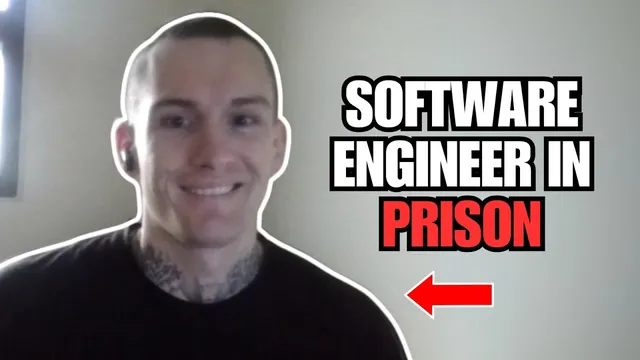
Preston Thorp credits a combination of personal resolve and a rare correctional environment in Maine for enabling his shift from drug-related incarceration to a software career.
Briefing
Preston Thorp’s story centers on a rare prison-to-career turnaround: after years in custody for non-violent drug crimes, he used education, open-source work, and a supportive correctional environment in Maine to rebuild his identity as a software developer—and eventually earn remote work and major promotions. The core takeaway is blunt: when prison systems provide real access to learning, technology, and legitimate work, people can redirect their lives; when they don’t, the default outcome is bitterness, hopelessness, and repeat incarceration.
Thorp says he spent just under 10 years incarcerated, including long stretches in solitary confinement, after being kicked out of his parents’ home as a teenager and falling into dark-web drug wholesale during the mid-2000s. His first arrest came around age 20, with MDMA arriving by mail from Vancouver. In prison, he describes a harsh subculture—strict groupthink, hostility toward “rats,” and a grim routine with little to do besides wait for conflict or get through the days. He also argues the system itself compounds harm: commissary and phone calls are expensive, communication costs add up quickly, and people without outside support can go without adequate winter clothing.
A turning point came through a transfer. After 13 months in solitary confinement without disciplinary action, he was moved to Maine’s Mountain View Correctional Facility, which he portrays as unusually insulated from street-gang politics. With the pressure of prison “drama” reduced, he focused on self-improvement—studying organic chemistry and finance, then programming again. He enrolled through the University of Maine Augusta and committed to 12–16 hours of study daily, eventually dedicating years to computer science and software development. He credits an “epiphany” that made drug talk and war stories feel meaningless, followed by a decision to stop accepting the criminal identity he’d adopted.
Thorp’s progress then became institutional. During the pandemic, internet access expanded inside prisons, and he helped the Department of Corrections with networking and software solutions. When permission for remote employment was granted, he became one of the first people in the country allowed to work remotely from a medium-security prison. He later described a sequence of career milestones: promotion to senior developer and tech lead, mentoring another incarcerated resident who then got hired, and eventually promotion to principal engineer with plans to lead development for education-focused initiatives at unlocked labs. He also frames his success as exceptional—Maine’s model is portrayed as an outlier, with limited slots and many restrictions.
Beyond personal redemption, Thorp pushes a policy message: punitive justice without redemption is not justice. He supports punishment for serious crimes while insisting rehabilitation must be part of the system, especially for non-violent drug offenders. He argues that prison conditions—subculture, lack of opportunity, and financial barriers—make change harder, not easier. In closing, he urges support for education and reentry programs and emphasizes a practical mindset: work hard for years, learn relentlessly, and treat identity and circumstances as changeable rather than permanent.
Cornell Notes
Preston Thorp describes how he transformed a long prison sentence into a software career by treating education and work as a daily discipline. After years in custody for non-violent drug crimes—including time in solitary—he credits a transfer to Maine and expanded access to learning and internet tools during the pandemic as the conditions that made change possible. He enrolled through the University of Maine Augusta, studied computer science for years, and later helped the Department of Corrections with networking/software before gaining remote work release. Promotions followed, along with mentoring other incarcerated people. The story matters because it argues rehabilitation requires real opportunity; without it, prison culture and financial barriers push people toward hopelessness and repeat cycles.
What personal and environmental factors does Thorp credit for his turnaround?
How does Thorp portray prison life and why does he think it can block rehabilitation?
What role did education and programming play in his career shift?
How did remote work and prison-based tech roles change his trajectory?
What policy argument does Thorp make about punishment versus redemption?
Review Questions
- Which specific prison-system changes does Thorp say made rehabilitation possible in his case (and why are they described as rare)?
- What does Thorp identify as the difference between “working hard” and “working smart,” and how does that belief affect his learning strategy?
- How does Thorp connect prison economics (commissary/phone costs/clothing) to outcomes like hopelessness and recidivism?
Key Points
- 1
Preston Thorp credits a combination of personal resolve and a rare correctional environment in Maine for enabling his shift from drug-related incarceration to a software career.
- 2
He describes prison as having a powerful negative subculture and limited constructive options, which can undermine rehabilitation.
- 3
He argues the prison system’s financial structure—especially commissary and phone costs—can intensify hardship for people without outside support.
- 4
He portrays education as the turning point: enrolling through the University of Maine Augusta and studying computer science for years at very high daily hours.
- 5
He links expanded internet access during the pandemic to practical tech contributions, including work with the Department of Corrections and later remote employment permission.
- 6
He supports punitive justice for serious crimes but insists redemption must be built into justice; without opportunity, change becomes unlikely.
- 7
He frames his success as exceptional rather than typical, using it to argue for broader access to education and skills-based work inside prisons.