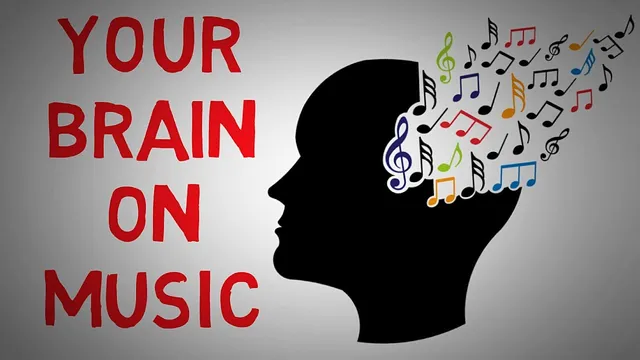
This Is Your Brain On Music - How Music Benefits The Brain (animated)
Based on Better Than Yesterday's video on YouTube. If you like this content, support the original creators by watching, liking and subscribing to their content.
Music listening and performance engage nearly every major brain area, supported by brain-damage cases and fMRI findings.
Briefing
Music is processed across nearly the entire brain, and that broad reach helps explain why it can shape mood, cognition, learning, and even physical performance. Early beliefs that music lived mainly in the brain’s right hemisphere have given way to findings from brain-damage cases and brain-imaging studies showing that listening and playing music engage many regions at once. Patients who can no longer read text but can still read musical notation, and people who can play piano but struggle with fine motor tasks like buttoning a sweater, illustrate how music abilities can persist even when other functions fail. The takeaway is practical: music isn’t a single “creative” module—it’s a distributed brain activity with measurable effects.
Mood is one of the clearest pathways. Music can stimulate the formation of brain chemicals that influence how people feel, and it also changes how emotions are interpreted in ambiguous situations. In one study, after participants heard short sad or happy pieces, they were more likely to label a neutral facial expression as sad or happy respectively—suggesting music can bias emotion perception. When people listen to music they enjoy, the brain releases dopamine, a neurotransmitter linked to satisfaction and reward. The pleasure is compared to other high-reward experiences such as eating, drug use, and sex, and upbeat favorites can amplify already-positive feelings.
That same emotional tuning helps explain why people often choose sad music when they’re down. Rather than worsening detachment, sad melodies can feel validating: they mirror a listener’s inner state, offering the sense that “someone understands me.” Happy music, by contrast, can intensify the feeling of being misunderstood when someone is depressed.
Music also affects the body. During exercise, fatigue signals prompt the brain to stop. Music competes for attention and can help override those fatigue cues. A 2012 study found cyclists who listened to music used about 7% less oxygen for the same work compared with cyclists riding in silence—evidence that music can improve energy efficiency, not just perceived endurance.
For learning and brain development, imaging and performance studies point to long-term benefits from training. Using fMRI, researchers see multiple brain regions activate during listening, while musicians playing an instrument show widespread activation across the brain. Musicians also tend to have brains with stronger connectivity and more sensitive processing. A 2008 study reported that children with at least three years of instrumental training performed better than non-musicians on auditory discrimination and fine motor skills, and also on more distant domains like vocabulary and nonverbal reasoning (for example, analyzing relationships among shapes and patterns). The benefits appear not to be limited to childhood: seniors who play instruments or sing socially show greater resistance to cognitive and memory problems, potentially through alternative brain connections that compensate for age-related decline.
Still, effects aren’t one-size-fits-all. Music can be soothing or annoying depending on personal preference and context. Researchers report that listening to music people like increases blood flow to the brain more than listening to music they don’t like. In short: the most reliable gains come from listening to—and making—music someone genuinely enjoys, because the brain responds most strongly when the experience matches the listener’s preferences and emotional needs.
Cornell Notes
Music engages nearly every major area of the brain, not just one hemisphere. Evidence from brain-damage cases and fMRI shows that music listening and performance can activate widespread regions, and musicians often have stronger brain connectivity than non-musicians. Mood effects are tied to emotion perception and reward chemistry: sad or happy music can bias how neutral faces are interpreted, and favorite songs trigger dopamine release associated with satisfaction. Music can also improve exercise efficiency by helping attention override fatigue signals, with one study reporting cyclists used about 7% less oxygen for the same work. Training benefits extend beyond music skills, improving auditory discrimination, fine motor control, and even vocabulary and nonverbal reasoning, with some cognitive protection observed in older adults too.
What evidence undermines the idea that music is processed mainly in the brain’s right hemisphere?
How does music change emotional interpretation in everyday situations?
Why do people often choose sad music when they feel depressed, instead of switching to happy songs?
What mechanisms link music to better exercise performance?
What training-related benefits show up beyond musical skills, and how far do they reach?
Why does personal preference matter for brain effects?
Review Questions
- Which kinds of brain-damage cases and imaging results support the claim that music processing is distributed across the brain?
- Describe two different ways music can influence mood—one involving emotion perception and one involving reward chemistry.
- What evidence connects music listening to exercise efficiency, and what might explain that effect?
Key Points
- 1
Music listening and performance engage nearly every major brain area, supported by brain-damage cases and fMRI findings.
- 2
Sad or happy music can bias how people interpret neutral facial expressions, shifting emotion perception.
- 3
Favorite music triggers dopamine release, linking enjoyable listening to satisfaction and reward.
- 4
Sad music can be soothing during depression because it validates a listener’s feelings of being misunderstood.
- 5
Music can improve exercise efficiency by capturing attention and helping override fatigue signals; cyclists used about 7% less oxygen in one study.
- 6
Instrumental training is associated with stronger brain connectivity and improved skills ranging from auditory discrimination and fine motor control to vocabulary and nonverbal reasoning.
- 7
Benefits depend on personal preference: liked music increases brain blood flow more than disliked music.