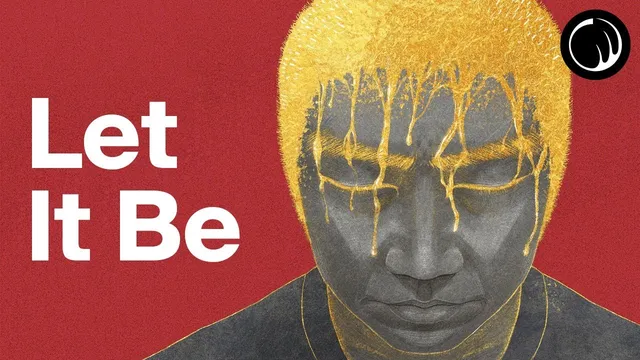
This Simple Japanese Philosophy Will Change the Way You Think about the Past
Based on Pursuit of Wonder's video on YouTube. If you like this content, support the original creators by watching, liking and subscribing to their content.
Trauma is framed as an ongoing mind-brain-body imprint, not only a past event, and it can shape present perceptions and behavior.
Briefing
Life rarely stays “uncracked.” When trauma, loss, or other damaging experiences arrive, many people try to push them away—repressing, denying, or rationalizing what happened—hoping the pain will disappear once the event is over. But psychological and physiological research suggests those imprints don’t vanish. They persist in mind, brain, and body, shaping perceptions and behavior long after the original moment has passed.
Renowned trauma researcher Dr. Bessel van der Kolk frames trauma as more than an event in the past: it’s the ongoing imprint left on mind, brain, and body. That imprint can recalibrate neurological functioning and show up when the person encounters sensations that resemble the original trauma. In this view, recovery requires more than “moving on.” It demands acknowledging the reality of those imprints and their sources, then using self-compassion to participate in activities and beliefs that rebuild strength, self-assertion, and reintegration. Keeping secrets and suppressing core feelings drains motivation and leaves people feeling shut down; only by identifying what’s driving those responses can feelings become signals that deserve attention.
The transcript then pivots from clinical trauma to a Japanese aesthetic-philosophical lens for dealing with brokenness: kintsugi (often described here as “kuki”). Kintsugi repairs broken ceramic by mending pieces with lacquer mixed with powdered gold (or sometimes silver or platinum). Rather than hiding fractures, the technique highlights them—turning damage into part of the object’s story and value. The origin story offered ties the practice to a shogun, Ashikaga Yoshimasa, whose cherished tea bowl was repaired with metal staples in a way that looked cold and forced; craftsmen later restored it with a more intentional, beautiful repair that embraced the break.
Kintsugi is linked to wabi-sabi, a worldview that treats transience, imperfection, and incompleteness as central to beauty and meaning. In that framework, the “broken” vessel can become more desirable than the original unbroken one because the repair reveals character, time, and care. The gold lacquer doesn’t just decorate—it can symbolize reverence for damage as natural and unavoidable, and the repair can even reinforce weak areas.
The transcript connects this to the concept of antifragility: not merely bouncing back, but getting better after shocks. Like a repaired ceramic piece, people can remain functional—and sometimes stronger—when they patiently accept what happened and rebuild from it. That said, the process is described as difficult, and severe damage may require professional help.
Ultimately, brokenness is portrayed as a kind of shared lacquer that connects people. By acknowledging suffering instead of sweeping it away, individuals can improve their own experience and also become better able to empathize and connect with others. The message is practical and relational: inspect the pieces, place them back with self-compassion, and let the repaired whole carry both the scars and the strength.
Cornell Notes
The transcript argues that trauma and other damaging experiences often leave lasting “imprints” in mind and body, even when people try to repress or deny them. Recovery, in this framing, depends on acknowledging those imprints with self-compassion and using feelings as signals that deserve attention. It then uses kintsugi—repairing broken ceramics with gold lacquer—as a philosophy for embracing imperfection rather than hiding it. Linked to wabi-sabi, the approach treats fractures and transience as sources of beauty, story, and sometimes even added strength. The overall takeaway is that accepting brokenness can help people rebuild and potentially become more resilient or even antifragile after shocks.
Why doesn’t repression or denial “erase” trauma effects in this account?
What does van der Kolk mean by trauma as an “imprint,” and how does that change recovery?
How does kintsugi turn damage into value instead of treating it as something to hide?
What role does wabi-sabi play in the transcript’s philosophy of brokenness?
How does the ceramic repair analogy connect to antifragility?
What limits are acknowledged about applying this approach to real suffering?
Review Questions
- How does the transcript distinguish trauma as an event from trauma as an ongoing imprint, and what implications does that have for recovery?
- In what ways does kintsugi (and wabi-sabi) reframe imperfection as meaningful rather than merely harmful?
- What is the difference between resilience and antifragility as described here, and how is the ceramic repair used to illustrate it?
Key Points
- 1
Trauma is framed as an ongoing mind-brain-body imprint, not only a past event, and it can shape present perceptions and behavior.
- 2
Repressing or denying painful experiences may reduce awareness of the cause but doesn’t eliminate the effects, often draining motivation and leaving people shut down.
- 3
Recovery is described as acknowledging the imprint and its source with self-compassion, then rebuilding through supportive beliefs and activities.
- 4
Kintsugi reframes brokenness as part of an object’s identity by repairing fractures with gold lacquer instead of hiding them.
- 5
Wabi-sabi treats transience and imperfection as central to beauty and meaning, not as defects to erase.
- 6
The repaired-ceramic metaphor is used to illustrate antifragility: after shocks, people can sometimes become stronger rather than merely return to baseline.
- 7
Professional help is presented as a legitimate and sometimes necessary part of dealing with severe damage.