Tracking Your Spending with Monzo
Based on Liam Gower's video on YouTube. If you like this content, support the original creators by watching, liking and subscribing to their content.
Monzo categories can automatically infer broad spending types, but they often miss the behavioral details needed for targeted budgeting.
Briefing
Monzo’s built-in categories can automatically guess what a purchase is for, but tags let users go much further—capturing the “why” behind spending so they can spot patterns, forecast costs, and curb recurring bad habits. The core idea is to attach custom hashtags to transactions and then search across months of history to quantify how specific behaviors affect budgets.
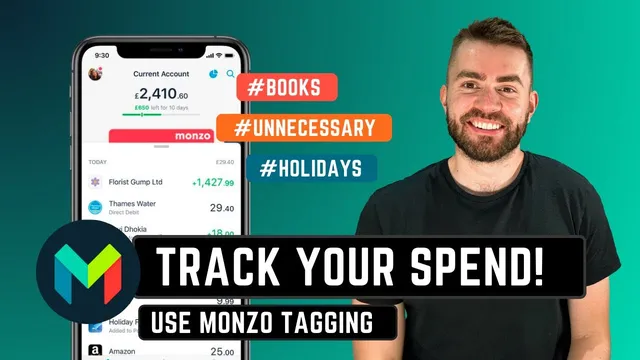
The transcript starts with Monzo categories: transactions like McDonald’s typically get inferred into an “eating out” category, while users can manually override misclassifications. Categories help nudge budgeting by forcing spending into broad buckets, yet they often miss the finer distinctions that matter for behavior change. That gap is where tags come in. Users add free-form notes to transactions and can include Twitter-style hashtags (e.g., “#Greece”). Once a hashtag is used, it becomes searchable across the entire purchase history, enabling deeper analysis than categories alone.
A practical system is then laid out: the creator builds a “hashtag reference list” by taking common Monzo categories and breaking them into subcategories represented as hashtags. For entertainment-related spending, tags track specific social events—such as visits from friends or family—so future budgets can reflect upcoming costs. An example given is tagging a university friend’s visit as “#bathboys,” then using the past spend to estimate what to set aside over the next six months.
For groceries, the approach targets midweek “impulse” behavior. Two hashtags are used to separate planned shopping from unplanned extras: “#naughty food” covers convenience-store treats like sweets, chocolate, and fizzy drinks, while “#extra food” captures items forgotten during the main weekly shop (like eggs, milk, or coffee) that end up being more expensive and time-consuming to buy later. Tracking these tags helps quantify how often cravings or oversights lead to additional spending, and it can guide changes such as improving the weekly list or swapping in healthier options.
Holidays are handled similarly. A “#Greece” tag groups all holiday-related transactions from a past trip, then the total spend becomes a data point for planning savings over the next 12 months—supporting a more realistic monthly target for a comparable vacation.
Finally, shopping is split into longer-term personal expenses. “#gifts” tracks spending for birthdays, anniversaries, and weddings to forecast how much needs to be saved over time, while “#books” acts as a guardrail for discretionary purchases that can otherwise grow unchecked.
To use it, the transcript describes searching in the Monzo app by hashtag (via the search icon) and then reviewing the summarized spend for the selected time period. The takeaway is that tags turn transaction history into actionable budgeting intelligence—helping users plan for future events and reduce repeat “bad spending habits” like convenience-store treats or forgotten essentials.
Cornell Notes
Monzo categories can automatically assign broad labels to purchases, but tags add a behavioral layer by letting users mark transactions with custom hashtags. Hashtags work like searchable metadata: once added to transaction notes, they can be queried across the entire spending history to produce totals for specific themes. The transcript describes building a hashtag system that mirrors key spending categories but adds subcategories tied to real-life patterns—such as “naughty food” and “extra food” for grocery behavior, or “#Greece” for holiday planning. This turns past spending into inputs for future budgets and helps identify where habits (cravings, forgetfulness, discretionary purchases) are driving overspend.
How do Monzo categories differ from tags, and why does that matter for budgeting?
What is the practical value of using hashtags in transaction notes?
How does the transcript use tags to analyze grocery spending habits?
How can holiday tags improve long-term savings planning?
What role do gift and books tags play in controlling discretionary spending?
Review Questions
- What limitations of categories motivate the use of tags, and what specific advantage do hashtags provide when searching transaction history?
- Choose one example hashtag from the transcript (e.g., #naughty food, #extra food, #Greece). What budgeting decision does it enable, and what behavior does it measure?
- How would you design a hashtag system for a spending category you personally struggle with (like dining out or shopping)? What sub-tags would you create and why?
Key Points
- 1
Monzo categories can automatically infer broad spending types, but they often miss the behavioral details needed for targeted budgeting.
- 2
Transaction notes support Twitter-style hashtags, which become searchable labels across the entire purchase history.
- 3
Tags enable fine-grained analysis by separating planned spending from impulse or corrective spending (e.g., “#naughty food” vs. “#extra food”).
- 4
Event-based tags (like “#Greece”) turn past costs into concrete inputs for future savings targets.
- 5
A practical tagging system can be built by mapping major categories into subcategories that reflect real habits and recurring expenses.
- 6
Hashtag searches in Monzo provide both the list of matching transactions and a summary total for the selected time period.
- 7
Using tags consistently helps identify patterns—such as cravings or forgotten items—that drive repeat overspending.