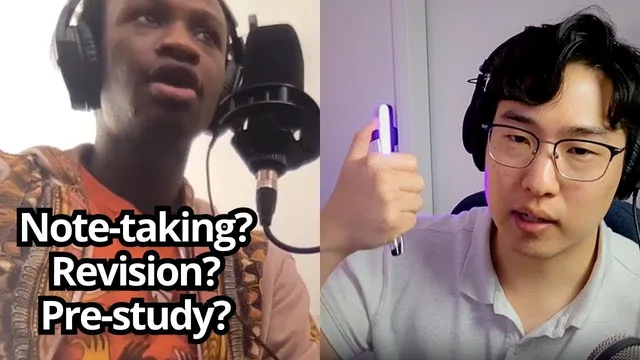
Watch Me Fix A Student's Learning System In 20 Minutes
Based on Justin Sung's video on YouTube. If you like this content, support the original creators by watching, liking and subscribing to their content.
Daniel’s main problem is a mastery gap driven by doing little consolidation between lectures and exams, not a lack of initial understanding.
Briefing
A student’s biggest learning bottleneck isn’t forgetting facts—it’s a “mastery gap” created by long delays between lectures and meaningful revision. Daniel, a first-year college student aiming for psychiatry, describes a system built around strong pre-study and active questioning, but almost no consolidation after class until the final stretch before exams. That pattern leaves him with enough understanding to perform reasonably well on tests (often 80+), yet it also means finer details decay and deeper levels of mastery don’t get enough practice sessions before exam day.
Daniel’s workflow starts the day before a lecture. He primes himself by scanning learning objectives, reviewing lecture notes or slides, jotting down unfamiliar keywords, and then turning those into a mind map—typically taking about 45 minutes. In class, he attends in person and focuses on what will likely appear on exams, using the teacher’s cues and model-question signals. He also asks questions to stay engaged, even when the pace feels “too slow and too fast.” But after lectures, he does “nothing” for days, largely because he has been operating on urgency—waiting until the exam is close—rather than building importance-based routines.
When revision finally begins, Daniel uses a structured “brain dump” and gap-seeking loop. He starts with lecture objectives, then performs a mind-map-based recall pass, sorting what he remembers confidently from what he doesn’t. He repeatedly checks accuracy, revisits uncertain areas, and cycles until he feels solid. The coaching diagnosis is that this approach targets higher-level, relational recall during the exam window, but it arrives too late to prevent knowledge decay and to build the detailed mastery needed for nuanced questions.
The key recommendation is to close the post-lecture gap by scheduling a consolidation session at the end of each week—ideally one week after the lecture—so revision becomes more about discovering subtle, non-obvious gaps rather than re-learning obvious ones. The coach also suggests carrying the pre-study mind map into the lecture to build it live as new connections emerge, using class time not just for note-taking but for on-the-spot gap discovery when explanations drag or feel unproductive.
Daniel credits the plan with making school feel less painful and more respectful of the investment behind it. He also highlights that his motivation is sustainable: even with a demanding work schedule and travel, he managed contingency planning and still kept buffers. The overall takeaway is practical—strong priming and active questioning are valuable, but mastery requires enough spaced sessions across time, not a last-minute scramble that leaves details to fade.
Cornell Notes
Daniel’s learning system is strong at priming and engagement, but weak at post-lecture consolidation, creating a “mastery gap.” He pre-studies the day before class using learning objectives, keyword scanning, and mind maps (about 45 minutes), then attends lectures and asks questions to stay engaged. After class, he does little until one to two days before exams, when he runs targeted brain dumps and gap-seeking based on lecture objectives. The fix is scheduling weekly consolidation—especially one week after each lecture—so revision focuses on subtle gaps rather than obvious ones. Carrying and expanding the mind map during lectures can also anchor new exam-relevant material and improve how connections survive until test day.
What does Daniel mean by his “knowledge gaps,” and how are they categorized?
Why does Daniel’s pre-study work well, and what does it look like?
What happens after lectures, and how does that affect exam performance?
How does Daniel revise once exams are close?
What changes are recommended to fix the mastery gap?
How does the conversation connect motivation and sustainability to the plan?
Review Questions
- How does Daniel’s priming process (objectives → keyword scanning → mind map) influence what he can do during lectures and revision?
- What is the difference between a retention gap and a mastery gap in this discussion, and why does the timing of revision matter for each?
- What specific weekly consolidation strategy would you implement to ensure exam revision focuses on subtle gaps rather than obvious ones?
Key Points
- 1
Daniel’s main problem is a mastery gap driven by doing little consolidation between lectures and exams, not a lack of initial understanding.
- 2
Pre-study works best when it starts the day before class: scan learning objectives, identify unknown keywords, and build a mind map in about 45 minutes.
- 3
In-class engagement is strengthened by asking exam-relevant questions and using the teacher’s cues, but it needs to be carried forward after class.
- 4
Revision becomes more effective when it’s scheduled one week after each lecture, so obvious gaps are closed early and later sessions target subtle gaps.
- 5
Carrying the pre-study mind map into the lecture helps anchor new exam-relevant information and supports live integration of concepts.
- 6
Using class time for on-the-spot gap seeking can turn slow or hard-to-follow explanations into productive work.
- 7
Sustainable learning comes from importance-based routines with buffers and contingency planning, not last-minute urgency.