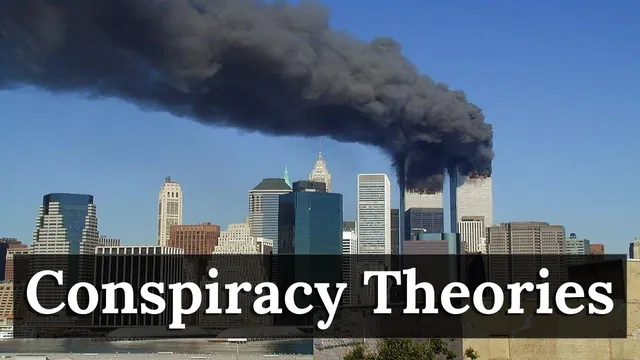
What If the “Crazy” Ones Are Right? - Conspiracy Theories
Based on Academy of Ideas's video on YouTube. If you like this content, support the original creators by watching, liking and subscribing to their content.
The transcript argues that “conspiracy theorist” became a stigmatizing label through CIA-era propaganda, making evidence-based doubt easier to dismiss.
Briefing
A blanket dismissal of conspiracy theories is portrayed as a political tactic rather than a rational safeguard—because real conspiracies have happened, and governments have repeatedly shown they can shape public belief while keeping secrets. The core claim is that “conspiracy theorist” became a stigmatizing label through Cold War-era propaganda, making it easier to discredit suspicions about wrongdoing by powerful officials and thereby protect elites from scrutiny.
The discussion anchors on historian Lance deHaven-Smith’s framing of what conspiracy theories are and why reflexive rejection can be naïve. A conspiracy, in this account, involves collusion to abuse power or break the law; a conspiracy theory is a claim about such collusion that may or may not be true. The term “conspiracy theory” gained mainstream traction in the second half of the 20th century, and the transcript points to a specific catalyst: a 1960s CIA propaganda effort aimed at growing distrust around the U.S. government’s investigation into the assassination of President John F. Kennedy. After the Warren Commission’s 1964 report concluded that Lee Harvey Oswald acted alone, many Americans questioned the plausibility of the narrative.
To counter that skepticism, the CIA launched a campaign in January 1967 targeting people who challenged the official account. A Freedom of Information Act disclosure is cited: Dispatch 1035-960, distributed to CIA field offices worldwide, instructed agents to contact journalists and opinion leaders, help them counter “conspiracy theorists,” and criticize those who embraced the JFK-related claims as aiding Communists, seeking profit, and refusing to consider all the facts. The transcript argues that this strategy worked by inserting a new political category into public discourse. Once critics were labeled “conspiracy theorists,” media, politicians, and academia allegedly amplified pejorative tags—paranoid, fringe, extremists, crackpots—making dissent easier to dismiss as mental instability rather than evidence-based doubt.
That stigmatization is said to persist through more formal policy ideas. The transcript highlights a 2008 paper by Cass Sunstein and Adrian Vermeule advocating “cognitive infiltration,” where government agents (or allies) would infiltrate groups that produce conspiracy theories, plant doubts, and fracture unity to “undermine the crippled epistemology” of believers. The comparison to the FBI’s illegal Counterintelligence Program suggests a continuity: covert narrative control aimed at disrupting political movements deemed subversive.
The transcript then confronts the strongest rebuttal to conspiracy thinking—that exposed scandals prove secrets can’t be kept. It counters that governments can and do maintain secrecy: the Manhattan Project is offered as a multi-year, large-scale effort that stayed hidden until the bombings, and the “Epstein files” are cited as an example of withheld identities and the extent of crimes despite access by multiple agencies. Even when conspiracies are real, the transcript argues, elites may not need overt totalitarian control; instead, “selective” or “smart” totalitarianism can be achieved by focusing on key “levers and chokepoints,” orchestrating major events that shape politics for years.
The concluding position is not that every conspiracy claim is true. Many are false or serve as decoys. The emphasis is on vigilance: evaluating evidence without deference to institutions, recognizing that power corrupts, and understanding that discrediting suspicion can function as protection for those most likely to benefit from political crimes—an idea tied back to the Declaration of Independence, which framed rebellion against King George as a response to a conspiracy to impose “absolute tyranny.”
Cornell Notes
The transcript argues that dismissing conspiracy theories wholesale can be a tool for protecting powerful officials, because real conspiracies occur and governments can keep secrets. It traces how the label “conspiracy theorist” gained mainstream force through a CIA propaganda effort after the Warren Commission’s JFK findings, using tactics like discrediting critics and encouraging pejorative branding. It then points to modern proposals such as “cognitive infiltration” (Sunstein and Vermeule) as a way to undermine groups that spread conspiracy claims. The takeaway is a call for evidence-based skepticism: don’t accept every theory, but don’t treat suspicion as proof of irrationality—especially when history shows elites can collude and conceal wrongdoing.
Why does the transcript treat “conspiracy theory” as more than a synonym for irrational belief?
How did the JFK case become central to the argument about stigmatizing dissent?
What mechanism is claimed to make conspiracy skepticism politically useful to elites?
What is “cognitive infiltration,” and how is it connected to older intelligence practices?
How does the transcript respond to the claim that exposed scandals prove secrets can’t be kept?
What does the transcript suggest about how elites might maintain control without overt totalitarianism?
Review Questions
- What specific CIA document and instructions are cited as evidence of discrediting JFK-related critics?
- How does the transcript distinguish between a conspiracy and a conspiracy theory, and why is that distinction important?
- Which historical examples are used to argue that governments can keep major secrets even when many people are involved?
Key Points
- 1
The transcript argues that “conspiracy theorist” became a stigmatizing label through CIA-era propaganda, making evidence-based doubt easier to dismiss.
- 2
Dispatch 1035-960 is presented as an example of coordinated efforts to influence journalists and opinion leaders against critics of the Warren Commission narrative.
- 3
It claims that modern policy proposals like “cognitive infiltration” aim to disrupt groups that spread conspiracy claims by undermining their internal cohesion and epistemic foundations.
- 4
The argument distinguishes reflexive rejection of conspiracy theories from evidence-based skepticism, warning against treating suspicion as proof of irrationality.
- 5
It counters the “secrets can’t be kept” rebuttal by citing cases where large, multi-agency secrecy allegedly persisted for years (Manhattan Project) or where identities and scope remained withheld (Epstein files).
- 6
The transcript suggests elites may pursue “selective” totalitarianism by targeting key political levers rather than openly controlling everyday life.
- 7
It ends by urging vigilance: many conspiracy claims may be false or decoys, but power can corrupt and conspiracies can be real.