What Is The Greatest Honor?
Based on Vsauce's video on YouTube. If you like this content, support the original creators by watching, liking and subscribing to their content.
Honor can be measured through achievements and awards, but the transcript argues that the deepest meaning of honor is moral integrity rather than public recognition.
Briefing
“Greatest honor” isn’t just a trophy, a title, or a medal—it’s the moral act of meeting the moment with integrity, even when recognition never arrives. The discussion builds from record-breaking physical feats and high-profile entertainment awards to a deeper question: what does honor actually mean, and what makes it truly “great”? The answer shifts toward virtue and character, then complicates that view with how fame, power, and opportunity shape who gets celebrated.
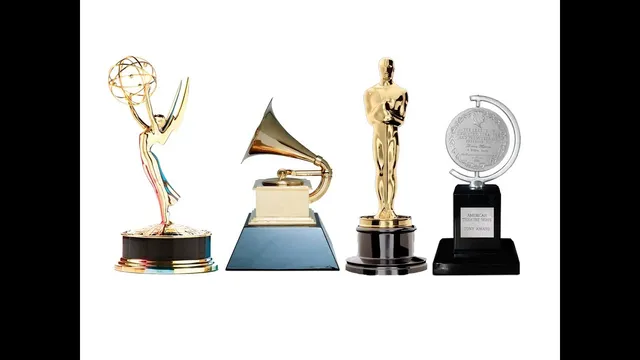
The first half stacks examples of honors that are easy to measure. There are extreme athletic achievements like Craig Alexander’s Iron Man triathlon record (swimming 2.4 miles, cycling 112 miles, then running a full marathon in 8 hours, 3 minutes, and 56 seconds). There are also endurance spectacles such as the self-transcendence race in Queens, where runners complete 5,649 laps of a city block over 52 days—an event that can chew through up to 12 pairs of shoes. In entertainment, honors become institutional: Emmy, Grammy, Oscar, and Tony wins, with EGOT status reserved for rare performers who capture all four. The transcript then widens the lens to “honor” as public recognition tied to cultural prestige, including unusual combinations like Steve Tisch’s Super Bowl ring and Oscar, and the rare overlap of Oscar and Nobel Prize held by George Bernard Shaw.
From there, honor gets defined through Samuel Johnson’s distinction between two kinds. One is “nobility of soul”—magnanimity and scorn of meanness—honor grounded in virtuous conduct and personal integrity rather than competitive achievement. To make virtue more concrete, the transcript points to Christopher Peterson and Martin Seligman’s catalog of 24 character strengths and virtues (including fairness, humility, hope, humor, appreciation of beauty, and love of learning) drawn from cross-cultural research. The argument then tests whether virtue can be judged by outsiders. A 1997 US News & World Report survey asked respondents who seemed likely to go to heaven; Mother Teresa led with 79%, but the striking detail is that 87% believed “someone else” was likely to go—implying people assume their own moral standing while ranking others.
The second Johnson category is honor tied to power and fame—status that can be detached from virtue. Military decorations illustrate this split in a different way: the Victoria Cross in the UK and the US Medal of Honor reward conspicuous gallantry and intrepidity at risk of life beyond duty, often posthumously, for actions like rushing into enemy fire or absorbing grenade blasts to save others. Yet the transcript also notes that global fame can be manufactured by visibility alone; corporate logos can outshine celebrity symbols, raising the provocative idea that becoming a fast-food mascot could be the “greatest honor” in a fame-driven world.
Finally, the discussion challenges recognition as an accident of luck. It invokes “accumulation of advantage,” the snowball effect where early standout performance leads to more opportunities and compounding access—undermining the “great man” timeline of history’s few celebrated figures. Philip Zimbardo’s work adds a situational warning: the wrong circumstances can bring out evil in almost anyone. His remedy is “heroic imagination”—a sociocentric, readiness-based mindset that helps everyday people act rightly when the moment arrives. The transcript concludes that the greatest honor may be knowing you did the right thing when presented with the chance, regardless of whether society hands out a monument afterward.
Cornell Notes
Honor begins as something measurable—records, medals, and entertainment awards—but the core meaning shifts to character. Samuel Johnson distinguishes “nobility of soul,” rooted in virtuous conduct and integrity, from honor based on power and fame. Research on virtues (Christopher Peterson and Martin Seligman’s 24 strengths) and surveys about who people think will go to heaven highlight how hard it is to judge virtue from the outside. The transcript then argues that recognition often follows opportunity and circumstance: “accumulation of advantage” and Philip Zimbardo’s findings on situational influence mean outcomes aren’t purely earned. The “greatest honor” is framed as acting rightly when the moment calls for it—an everyday, sociocentric heroism that may never be publicly rewarded.
How does Samuel Johnson’s definition of honor change what counts as “greatest”?
Why bring in Peterson and Seligman’s list of virtues and strengths?
What does the 1997 US News & World Report survey suggest about judging virtue?
How do military honors fit the virtue-versus-fame distinction?
What do “accumulation of advantage” and Zimbardo’s situational findings add to the honor debate?
What is “heroic imagination,” and how does it define the greatest honor?
Review Questions
- Which of Samuel Johnson’s two honor types best matches the idea of “doing the right thing” without recognition, and why?
- How do “accumulation of advantage” and the “great man theory” challenge the way societies assign honor to famous individuals?
- What does Philip Zimbardo’s “heroic imagination” require from a person, and how does it relate to sociocentric rather than egocentric decision-making?
Key Points
- 1
Honor can be measured through achievements and awards, but the transcript argues that the deepest meaning of honor is moral integrity rather than public recognition.
- 2
Samuel Johnson’s distinction separates “nobility of soul” (virtue and integrity) from honor based on power and fame.
- 3
Peterson and Seligman’s 24 virtues and strengths provide a concrete way to talk about virtue, even though ranking “the most honorable person” remains inherently difficult.
- 4
External judgments of virtue are unreliable; a 1997 survey about who would go to heaven shows people often believe “someone else” is most likely to be virtuous.
- 5
Military honors reward selfless courage at extreme risk, aligning more closely with virtue-based honor than with fame-based status.
- 6
Recognition is shaped by opportunity and circumstance through “accumulation of advantage,” which complicates claims that greatness purely reflects individual merit.
- 7
Zimbardo’s “heroic imagination” reframes the greatest honor as acting rightly when the moment calls for it, regardless of whether it leads to a monument or applause.