When Life Hurts, Let Go | A Stoic Lesson for Inner Peace
Based on Einzelgänger's video on YouTube. If you like this content, support the original creators by watching, liking and subscribing to their content.
Epictetus locates suffering in judgments and the resulting desire and aversion, not in external events alone.
Briefing
Epictetus’ core claim is that inner peace is not blocked by life’s pain, sickness, betrayal, or political chaos—it’s blocked by the mind’s judgments about those events. People suffer less from what happens than from what they add to it: desire for what they can’t guarantee and aversion to what they can’t control. That distinction matters because it relocates the problem from the outside world to the inner one, where change is possible.
Stoicism treats impressions as the starting point. When circumstances arrive, the mind instantly assigns value—often automatically and sometimes irrationally. A harmless spider becomes “dangerous,” so fear follows. A loaf of bread becomes “delicious,” so desire follows. These are not neutral perceptions; they generate emotional distress such as anger, grief, disappointment, and fear. Epictetus frames the mechanism as a pair of forces: desire and aversion. Anger at a driver who cuts you off, for example, isn’t produced by the traffic event itself; it comes from the judgment that you shouldn’t have to face it, which implies an aversion to the person and a desire for a different reality.
The practical temptation is to fix the world—move somewhere no one drives badly, or punish tailgaters with extreme fines. Epictetus warns that such solutions only work until they don’t, because the deeper issue is dependence on external conditions. Desire and aversion aren’t inherently harmful; they become destructive when aimed at things beyond one’s control. Stoicism defines virtue as the only good and vice as the only bad, so aiming desire at virtue and avoiding vice stays within choice. But attaching happiness to wealth, health, honors, country, friends, children, or any other “fickle” external factor makes feelings hostage to Fate.
That critique lands hardest on love. Epictetus acknowledges the beauty of attachment—the intimacy, the yearning, the sense of “can’t be without you.” Yet the same attachment makes suffering likely because loved ones can be taken away and their fate isn’t governed by the attachment itself. The pain, in Stoic terms, intensifies when value is placed on what others can steal or what time can end.
To loosen these grips, Epictetus urges a shift in perception: focus on changing judgments rather than trying to control the universe. One method is to see the “general nature” of things. If a ceramic cup breaks, remind yourself it was only a cup—so the loss doesn’t carry the same emotional weight. If a spouse or child dies, remind yourself you were loving a human being, not an immortal guarantee. In the traffic example, the angry story—“they should behave”—is treated as unreasonable because traffic, including rude behavior, is part of the broader order of things.
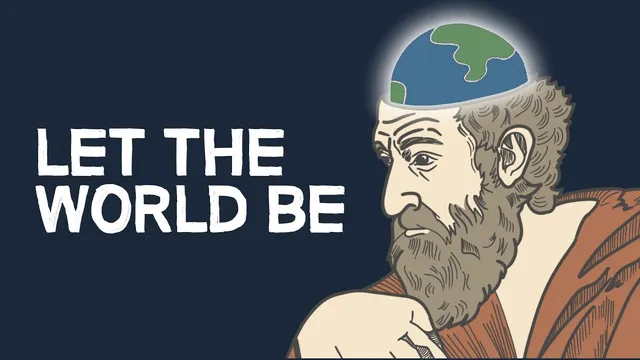
Acceptance, then, isn’t passive resignation to injustice. It’s emotional alignment with what lies outside control while still striving to improve the world through virtue. Epictetus’ guiding formula captures the shift: “Ask not that events should happen as you will, but let your will be that events should happen as they do, and you shall have peace.” The path to peace is radical but actionable: redirect desire and aversion away from demanded outcomes and toward what reason and virtue can govern.
Cornell Notes
Epictetus argues that suffering comes primarily from judgments—especially desire and aversion—rather than from external events themselves. When people treat events as “bad” or objects as “must-have,” they generate fear, anger, grief, and disappointment. Stoicism distinguishes what is within control (virtue and vice) from what is not (wealth, health, status, and even loved ones’ fates). Inner peace grows when desire and aversion are redirected toward virtue and when perceptions are made reasonable by seeing the general nature of things. Acceptance, in this framework, means aligning one’s will with how events unfold, not passively tolerating injustice.
What is the Stoic “root” of suffering, and how does it work in everyday examples?
Why doesn’t simply changing circumstances (like moving away from bad drivers) solve the problem?
How does Stoicism define what’s truly “good” and “bad,” and why does that matter for desire and aversion?
What does Epictetus say about love and why can it still lead to pain?
What does “seeing the general nature of things” mean in practice?
How does Epictetus redefine acceptance, and what is the key shift in the famous line about events and will?
Review Questions
- How do desire and aversion transform an external event into emotional suffering?
- Which kinds of things does Stoicism treat as outside control, and why does that distinction matter for inner peace?
- What does it mean to align one’s will with events, and how does that differ from passive resignation?
Key Points
- 1
Epictetus locates suffering in judgments and the resulting desire and aversion, not in external events alone.
- 2
Unreasonable impressions—like treating a harmless spider as “horrific” or traffic as “shouldn’t happen”—generate fear and anger.
- 3
Inner peace becomes unreliable when happiness depends on fickle externals such as wealth, health, honors, or political outcomes.
- 4
Stoicism keeps desire and aversion focused on what’s controllable: virtue (good) and vice (bad).
- 5
Strong attachments to loved ones can intensify pain because their fate isn’t governed by the attachment itself.
- 6
“Seeing the general nature of things” reduces emotional shock by reminding the mind that everything in a category is subject to change and loss.
- 7
Acceptance means aligning will with how events unfold, not tolerating injustice or abandoning the effort to improve the world.