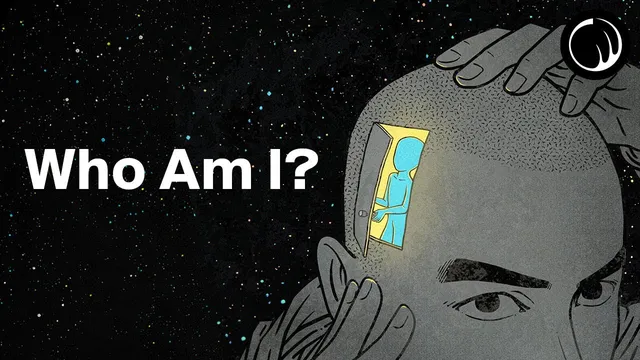
Who Am I? - The Mysterious Thing You Always Are
Based on Pursuit of Wonder's video on YouTube. If you like this content, support the original creators by watching, liking and subscribing to their content.
Jack Otis maintains a stable sense of self by treating his changing body and face as a “cover,” not the core of identity.
Briefing
Jack Otis begins as one of the last fully organic workers in a world where bionic upgrades have become routine. After falling behind on a physically demanding cargo-loading job, he opts into brain-controlled prosthetic arms and legs, then later exchanges out much of his body—rib cage, spine, eyes, ears, teeth, heart, and eventually skull and neck—through a sequence of increasingly invasive procedures. Each step comes with waivers and optional choices, including the ability to redesign his face, but the emotional through-line stays surprisingly steady: he comes to treat the new body as a “cover,” not the core of who he is. Even when his appearance changes drastically, he eventually recognizes himself in it the way he once recognized his old face—suggesting identity can survive radical physical replacement when continuity of experience remains intact.
As automation wipes out most physical labor, Jack shifts into virtual reality design and coding, landing in the orbit of consumer brain-machine interfaces. Nurit I leads the first mass rollout with a model bi brain machine interface that connects tiny implanted chips to the brain via wires, enabling cloud access, non-verbal communication, and—most importantly—downloadable skills and mental capabilities. The interface starts as optional and framed around enhancement rather than replacement, but it quickly normalizes. What begins as resistance from people who fear “healthy” brains being altered gives way to adoption as social pressure and the promise of a longer, more capable life pull users in.
Jack’s first major turning point comes when software updates evolve from harmless bug fixes into changes that reach into desires, habits, and interests. Early updates let users add or remove skills; later ones allow users to adjust tendencies and even delete “undesirable” parts of themselves. Jack resists at first, insisting that altering inner preferences would break identity. Yet the same pattern repeats: once most others accept updates, he eventually signs up. In 2153 he downloads version crime, which lets users self-regulate personal desires and routines with a simple digital consent flow.
By 2157, the stakes rise again with version senior, a memory-editing update that can remove trauma memories or implant new ones. Jack uses it to reshape how he remembers his biological childhood and early adulthood—erasing painful periods and planting comforting recollections. The changes feel subtle, like the mind naturally “repaints” bad memories over time, so he continues to experience himself as Jack despite having altered interests, skills, and even the factual texture of his past.
The story ends on a recurring monthly ritual: optional questionnaires ask, “Please confirm your identity—who are you?” The question lands as more than a formality. Jack’s continuity of self appears to depend less on an accurate record of who he was and more on an ongoing internal sense of continuity—raising the unsettling possibility that identity can persist even when the underlying memories and preferences have been rewritten.
Cornell Notes
Jack Otis moves from an entirely organic body into a fully bionic life, starting with brain-controlled prosthetic limbs and eventually replacing his skull. He treats his body and even his face as a “cover,” maintaining a stable sense of self as long as his lived experience feels continuous. When consumer brain-machine interfaces arrive—led by Nurit I’s bi brain machine interface—skills become downloadable and later updates reach deeper, letting users modify desires, habits, and routines. In 2153 Jack adopts version crime to self-regulate inner preferences, and by 2157 he uses version senior to remove or implant memories. Even after false memories and altered motivations, he still feels like Jack, suggesting identity may be sustained by continuity of experience rather than factual memory accuracy.
How does Jack Otis preserve a sense of identity while his body is repeatedly replaced?
What does the bi brain machine interface enable, and why does it matter for identity?
Why does resistance to brain-machine interfaces fade over time?
What changes when software updates move from skills to desires and routines?
How does version senior alter memory, and what effect does it have on Jack’s self-perception?
What is the significance of the monthly identity questionnaire?
Review Questions
- What specific continuity cues allow Jack to keep feeling like himself after major physical and mental changes?
- How do version crime and version senior differ in what they modify, and why does that difference matter for identity?
- Why might a person still feel like the same individual even when their memories have been altered or implanted?
Key Points
- 1
Jack Otis maintains a stable sense of self by treating his changing body and face as a “cover,” not the core of identity.
- 2
Brain-controlled prosthetics and later full bionic replacements become normalized through competitive job pressure and social adoption.
- 3
Nurit I’s bi brain machine interface makes skills and mental capabilities selectable, downloadable, and reversible, blurring the line between learning and modification.
- 4
Software updates shift from functional improvements to deeper changes in desires, habits, and routines, raising fears of identity disruption.
- 5
In 2153, version crime enables users to self-regulate and delete personal desires and daily routines with digital consent.
- 6
In 2157, version senior edits long-term memory by removing and implanting memories, including false ones that reshape how life feels in retrospect.
- 7
Monthly identity questionnaires (“Please confirm your identity—who are you?”) underscore that continuity of experience may not equal factual continuity of the past.