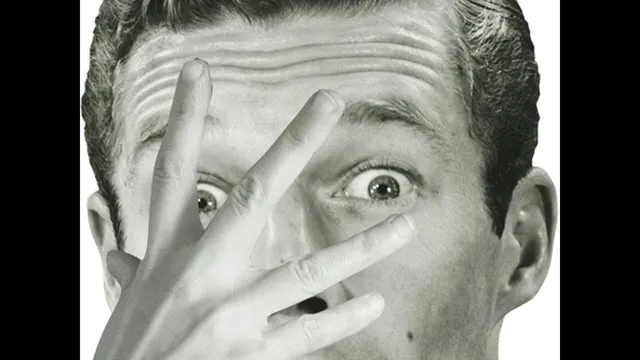
Why Are We Morbidly Curious?
Based on Vsauce's video on YouTube. If you like this content, support the original creators by watching, liking and subscribing to their content.
Morbid curiosity can be driven by threat-prep biology: norepinephrine and dopamine increase alertness and motivation to seek when fear is present.
Briefing
Morbid curiosity persists because the brain treats danger, disgust, and uncertainty as information worth seeking—even when the content is genuinely disturbing. Experiments that used real fear and revulsion, rather than staged acting, produced faces that looked unmistakably uneasy: people weren’t pretending. That mismatch between what feels socially “wrong” to enjoy and what the mind still pulls toward helps explain why car crashes, true crime, war, gore, and even macabre artifacts can hold attention for long stretches.
A key driver is the body’s threat-prep system. When people are frightened, neurotransmitters such as norepinephrine and dopamine rise, sharpening attention and readiness to escape or respond. Dopamine is often linked to pleasure, but evidence from laboratory animals suggests it also powers motivation to seek—animals will stop seeking food when dopamine systems are inhibited, even though they still eat if food is placed in their mouths. In other words, the brain can be wired to approach and investigate on its own terms, not only to “enjoy” the outcome.
That same chemistry can appear even when threats are safely distant. Watching rather than experiencing can still trigger alertness and curiosity, making it harder to look away. The result is a paradox: uncertainty can feel worse than unpleasant certainty, so staring at disturbing scenes may reduce ambiguity—“at least if we look we know.” This also helps explain compulsive patterns: wanting to do something and liking it are not the same process.
Social and psychological forces add fuel. People often feel guilty for being interested, but suppression can backfire through the Boomerang Effect. The Streisand Effect illustrates this: Barbra Streisand’s 2003 lawsuit to suppress a photo of her house led to massive re-distribution, with nearly half a million downloads within a month—far more than before the suit. Taboo and pressure can make disturbing material seem rarer, more valuable, and a way to signal freedom.
Morbid content can also provide emotional “practice” and relief. After terrifying films, viewers frequently report feeling stronger and satisfied that they endured the discomfort—an exercise in coping. The same mechanism can flip into Schadenfreude, where observing others’ misfortunes produces a comparative lift: even if it doesn’t make someone happier, it can make them less annoyed relative to the target. Catharsis is another outlet—anger and aggression can burn off when violence or vengeance is safely fictional.
Beyond thrills, morbid curiosity can serve meaning-making. It can support acceptance and empathy by prompting imagination: “what if that happened to me?” It also helps people process tragedy by seeking explanations, expert opinions, and confirmation that others share their reactions. Katelin Dodi’s framing of death acceptance emphasizes focusing grief without being trapped in endless “why” questions. Even humor may share an adaptive function: an “encryption theory of humor” suggests jokes test shared attitudes and social boundaries, and morbidity may similarly help assess existential common ground—morality, justice, and belonging.
Ultimately, the attraction to the macabre ranges from harmless curiosity to obsession, but it remains partly controllable when people understand what their minds are doing: seeking information, managing emotion, and negotiating social meaning—sometimes with a surprising overlap between the “yuk” and the “yuk-yuk.”
Cornell Notes
Morbid curiosity endures because the brain is built to investigate danger, disgust, and uncertainty. Threat-related neurotransmitters (including norepinephrine and dopamine) increase alertness and motivation to seek, and those same systems can activate even during safe spectating. Suppression and taboo can intensify interest through the Boomerang Effect, illustrated by the Streisand Effect after Barbra Streisand sued to remove a photo. Beyond thrills, disturbing content can help people cope—through catharsis, “practice” for fear, and meaning-making that supports acceptance, empathy, and shared understanding. Humor and morbidity may even overlap in function by testing social and existential common ground.
Why do people feel drawn to things that are genuinely repulsive or frightening?
How can watching danger from a distance still trigger strong reactions?
What role do guilt and social pressure play in morbid curiosity?
How can disturbing content make people feel better afterward?
What constructive psychological functions does morbid curiosity serve?
How might humor relate to morbid curiosity?
Review Questions
- Which neurotransmitters are mentioned as rising during fear, and how does the transcript distinguish “seeking” from “liking”?
- How do the Boomerang Effect and the Streisand Effect explain increased attention to suppressed disturbing material?
- What are two different emotional outcomes of morbid viewing described in the transcript (e.g., catharsis vs. Schadenfreude vs. coping/practice), and what triggers each?
Key Points
- 1
Morbid curiosity can be driven by threat-prep biology: norepinephrine and dopamine increase alertness and motivation to seek when fear is present.
- 2
Dopamine is portrayed as supporting motivated seeking rather than simple pleasure, which helps explain why people investigate unpleasant stimuli.
- 3
Safe spectating can still trigger threat-related attention and curiosity, making it harder to look away even without real danger.
- 4
Suppression and taboo can intensify interest through the Boomerang Effect; the Streisand Effect shows how attempts to hide information can massively increase its spread.
- 5
Disturbing media can provide coping benefits such as “practice” for fear, catharsis, and comparative relief via Schadenfreude.
- 6
Morbid curiosity can also support acceptance and empathy by prompting imagination, meaning-making, and shared emotional validation.
- 7
Humor may share an adaptive function with morbidity by testing social and existential common ground, helping people calibrate belonging and attitudes.