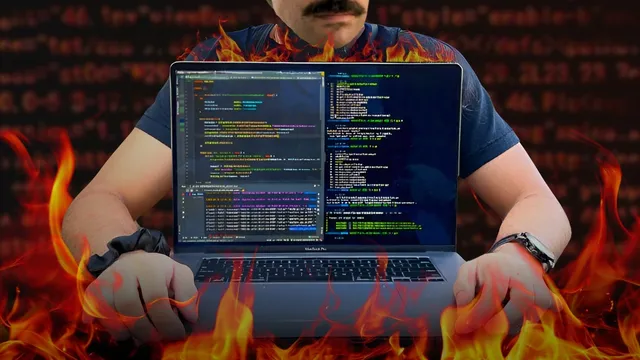
Why Do Software Devs Keep Burning Out - Prime Reacts
Based on The PrimeTime's video on YouTube. If you like this content, support the original creators by watching, liking and subscribing to their content.
Burnout is framed as a system failure: leadership can change scope and timelines while individual engineers absorb the cost and blame.
Briefing
Software development is positioned to burn people out because work demands keep shifting while responsibility stays fixed on individual engineers—so even success can raise future expectations and intensify pressure. The core pattern described is “set up to fail, blamed for failure”: leadership can change scope late, timelines get cut, and when delivery slips, the blame lands on the people doing the implementation rather than on the decision-makers who altered the plan.
A major driver is the mismatch between how software work actually unfolds and how teams manage it. Coding is cognitively deep work, but the surrounding environment often fragments attention through constant meetings, Slack/Teams pings, and urgent requests that intrude on focus time. That constant interruption erodes documentation and process discipline—both of which tend to be the first casualties when stress rises. The result is cumulative burnout: weekend overtime doesn’t create real recovery time, because the next sprint starts immediately, and the cycle of added features and bug-fixing continues without a meaningful “detox” period.
Scope churn is portrayed as especially corrosive. Engineers may agree to a launch timeline, then leadership pivots—adding new features or changing direction weeks before release. The frustration isn’t just instability; it’s the sense of losing prior effort when work must be thrown out and restarted from zero. In that setup, engineers feel they must absorb the cost of leadership uncertainty, and they also face anxiety because failure is personal: when the CEO pushes for changes, the engineer is still the one held accountable six weeks later.
The transcript also links burnout to remote work’s tradeoffs. Working from home can reduce commuting and offer flexibility, but it can also increase loneliness and blur boundaries between work and rest. When home becomes the workplace, “off-hours” can shrink, and responsiveness expectations can become relentless. Even the routines of where work happens can become psychologically sticky, making it harder to mentally disengage.
Another theme is social environment. Software teams are described as often selecting for weaker soft skills or empathy, whether because people who prefer isolation gravitate toward software or because colleagues deliver feedback harshly and fail to credit good work. In such settings, stress accumulates like damage in a game: sprint after sprint, the pressure builds, and there’s little room for recovery or reflection. Scrum rituals are criticized as well—especially when they devolve into more meetings instead of real planning, and when “planning poker” becomes a symbolic exercise rather than a practical estimation tool.
Finally, the transcript argues that burnout management must go beyond productivity fixes. Engineers may be poor at sensing stress early and may respond by trying to eliminate the stressor through more grinding—“zerging down” tasks without healing—until sleep loss and physical symptoms catch up. The suggested countermeasures include better self-monitoring, boundaries around off-hours, maintaining real friendships outside Discord-style connections, and seeking coaching or therapy when needed. The overarching message: burnout isn’t just individual weakness; it’s a system that repeatedly converts organizational volatility into personal cost.
Cornell Notes
The transcript frames software burnout as a structural problem: engineers face rapidly changing scope and timelines, yet accountability stays personal. Coding requires uninterrupted, cognitively deep focus, but team practices often fragment attention with meetings and constant messaging, accelerating stress and reducing documentation/process quality. Burnout becomes cumulative because recovery is repeatedly interrupted—overtime and weekend work don’t translate into real rest before the next sprint. Remote work can help with logistics, but it can also intensify isolation and blur work-life boundaries, increasing expectations for responsiveness. The transcript also warns against “zerging” through stress by working harder instead of healing, and it recommends boundaries, real social connection, and professional support when appropriate.
Why does scope change feel uniquely brutal to software engineers, beyond normal project churn?
How does the transcript connect burnout to the mismatch between deep work and workplace demands?
What does “cumulative stress” mean in this context, and why does weekend overtime not fix it?
What are the main downsides of remote work described here, and how do they relate to burnout?
Why does the transcript argue that engineers may worsen stress by working harder instead of healing?
What social and organizational factors are linked to burnout in the transcript?
Review Questions
- Which specific workplace practices in the transcript are said to fragment deep work, and how do those practices contribute to burnout over time?
- How does the transcript explain the difference between “eliminating the stressor” and “healing,” and what evidence does it use (sleep loss, physical symptoms, emotional instability)?
- What mechanisms cause success to become a trap—how do delivered features and overtime affect future expectations?
Key Points
- 1
Burnout is framed as a system failure: leadership can change scope and timelines while individual engineers absorb the cost and blame.
- 2
Rapid scope changes near launch create restart-from-zero work, which engineers experience as both time loss and accountability risk.
- 3
Software work needs uninterrupted cognitive focus, but meetings and constant messaging fragment attention and degrade documentation/process discipline.
- 4
Stress becomes cumulative when overtime and weekend work don’t produce real recovery before the next sprint.
- 5
Remote work can reduce commuting and increase flexibility, but it can also intensify loneliness and blur boundaries between work and rest.
- 6
Harsh feedback, low empathy, and poor crediting in dev environments make it harder for engineers to advocate for sustainable expectations.
- 7
Engineers may worsen stress by grinding to remove the stressor instead of addressing early stress signals and building real recovery.