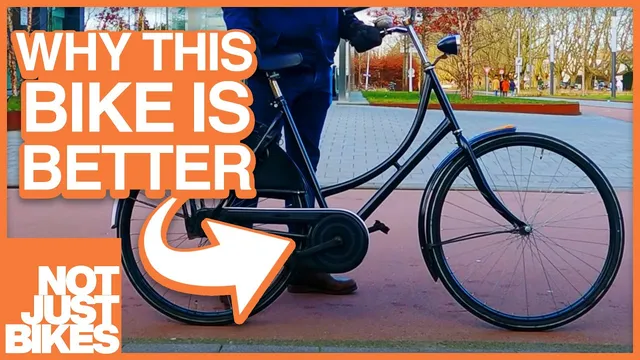
Why Dutch Bikes are Better (and why you should want one)
Based on Not Just Bikes's video on YouTube. If you like this content, support the original creators by watching, liking and subscribing to their content.
Dutch bicycles are engineered for daily transportation—comfort, visibility, and reliability—rather than for maximizing speed or athletic performance.
Briefing
Dutch bicycles stand out less for speed or style than for everyday usability: they’re built to get people from point A to point B comfortably, reliably, and with minimal fuss. That design philosophy—cycling as practical transportation rather than primarily sport—explains why the “upright Dutch bike” is so common in the Netherlands and so rare in places like Canada and the US.
The most visible difference is posture. Dutch bikes are upright, with high, swept-back handlebars that let riders sit almost like they’re in a chair. The trade-off is that the position isn’t optimized for power transfer or aerodynamics, but comfort and control take priority. Upright riding also improves visibility in busy streets, where scanning traffic and other cyclists matters. The result shows up in how people dress: because cycling feels like normal seated movement, riders often wear everyday clothing suited to their destination rather than changing into cycling gear.
Practical frame and clothing-friendly details reinforce that “commuter first” mindset. Step-through frames make mounting and dismounting easy without swinging a leg over a crossbar—especially helpful for riders using a child seat, since swinging a leg up can be awkward and potentially dangerous. Dutch bikes also commonly include a skirt guard/coat guard to prevent long garments from snagging in the spokes, plus a chain guard to protect clothing and the chain from the elements, extending component life.
Security and convenience features are equally transport-focused. Many bikes use a frame lock that can lock the rear wheel for quick stops and, notably, retains the key while riding—so keys stay with the rider even when the bike is in motion. A frame lock can be paired with an integrated chain lock for stronger protection. In the Netherlands, fenders and kickstands are standard, not optional, because rain is routine. Rear racks (and sometimes front racks) support panniers or boxes, enabling riders to carry substantial loads—sometimes even another person—without needing a car.
Durability and low maintenance drive the hardware choices. Dutch bikes are typically built from solid steel rather than lightweight racing materials, and they often rely on internal hub gears that require little upkeep compared with derailleur systems that can go out of alignment. Some models use coaster brakes—braking by pedaling backward—reducing complexity by avoiding hand brakes, cables, and extra parts that could snag in tight parking spaces.
Even the small ecosystem details reflect daily commuting. The Netherlands uses a Blitz valve, which includes a ball that prevents air from escaping; riders can use a regular presta pump to inflate it, with the valve opening at sufficient pressure. Dynamo-powered lighting eliminates battery management. A bell is present but rarely needed.
The transcript also ties these design choices to availability and culture. In Canada, upright bikes were hard to find, with shops largely stocked with sporty hybrids and road bikes that often lacked fenders, racks, or kickstands. Frustration in Winnipeg led to the “plane bicycle project,” importing practical Dutch bikes (new and used) in shipping containers. The takeaway is clear: when bicycles are easy to live with—comfortable, low-maintenance, and ready for real errands—cycling becomes the fastest option, not a special hobby requiring gear, planning, or constant mechanical attention.
Cornell Notes
Dutch bicycles are built for everyday transportation, not sport. Their upright riding position, high swept-back handlebars, step-through frames, and clothing-protection features (skirt/coat guards and chain guards) make commuting comfortable and practical—often without changing outfits. Standard fenders, kickstands, and strong rear racks support carrying groceries and gear in rainy, busy cities. Low-maintenance design choices—steel frames, internal hub gears, coaster brakes, and dynamo lighting—reduce upkeep and complexity. Even tire and valve standards (Blitz valve) and integrated locking systems (frame locks) reflect a focus on convenience and reliability, which helps explain why these bikes are common in the Netherlands and harder to find elsewhere.
Why does the upright Dutch riding position matter for daily commuting?
How do step-through frames and clothing guards support “wear normal clothes” cycling?
What practical features make Dutch bikes convenient for errands and parking?
Which design choices reduce maintenance compared with more “sporty” bikes?
How do Dutch bikes handle lighting and tire inflation differently?
Review Questions
- What trade-offs come with an upright bicycle design, and why are those trade-offs acceptable for commuting?
- How do skirt/coat guards, chain guards, and step-through frames work together to make everyday clothing practical while cycling?
- Compare internal hub gears and derailleur systems in terms of maintenance needs, and explain why coaster brakes can further simplify upkeep.
Key Points
- 1
Dutch bicycles are engineered for daily transportation—comfort, visibility, and reliability—rather than for maximizing speed or athletic performance.
- 2
Upright geometry with high, swept-back handlebars improves comfort and helps riders see and be seen in busy urban environments.
- 3
Step-through frames, skirt/coat guards, and chain guards reduce friction with everyday life by making it easier to mount, avoid clothing snagging, and protect garments and the drivetrain.
- 4
Fenders, kickstands, and strong racks are treated as standard equipment because commuting often involves rain and carrying real loads.
- 5
Low-maintenance engineering is central: steel frames, internal hub gears, and coaster brakes reduce adjustment and cable-related complications.
- 6
Integrated locking systems like frame locks (often with key retention) support quick stops, while stronger theft protection may require adding a chain lock.
- 7
Dutch-specific components such as Blitz valves and dynamo-powered LED lighting reduce routine hassles like battery management and air-loss issues.