Why Everything You Do Matters
Based on Better Than Yesterday's video on YouTube. If you like this content, support the original creators by watching, liking and subscribing to their content.
Tiny actions and tiny neglect both compound over time, shaping long-term outcomes.
Briefing
A single wrong move can snowball into lasting damage, while a small act of care can compound into a better life—because tiny decisions don’t stay tiny. The core message is that everyday micro-actions and micro-neglect accumulate over time, shaping habits, relationships, health, and long-term outcomes far more than people expect. Even when the effects feel invisible in the moment, they ripple forward until they cross a tipping point.
The transcript frames this through a “fragile timeline” thought experiment: imagine waking up decades in the past with perfect knowledge of what happens next. One careless word could alter history; one thoughtful suggestion could improve it. Whether or not the butterfly-effect science holds up, the principle does—every action matters, and small causes can trigger large consequences. In daily life, that means people shouldn’t treat “small” choices—like a kind word, a few minutes of exercise, or skipping flossing—as harmless. Progress compounds. Neglect compounds too, often faster: skipping floss “just once” can become a habit, turning into a root canal; ignoring a small crack can become a disaster after a storm; postponing a difficult conversation can make it impossible later.
The practical takeaway is consistency, not intensity. Many people already understand that small inputs add up—two pages a day finish a book, five minutes of exercise builds strength, one kind word can change someone’s day—but they still skip them because each moment feels too minor to matter. The transcript argues that these micro-decisions don’t vanish; they accumulate over days, weeks, months, and years. It also warns that stopping maintenance causes quiet unraveling: a garden doesn’t stay beautiful from one-time planting, and a life doesn’t stay on track without ongoing care.
To make the compounding effect concrete, the transcript uses a “1% rule” scenario. Getting 1% worse each day for a year drives results toward nearly zero. Getting 1% better each day leads to roughly 37 times improvement after a year, and slightly higher gains—1.1% or 1.2%—produce even larger multipliers (about 54x and 78x). The point isn’t to obsess over daily percentages, but to push just beyond comfort in small, repeatable ways.
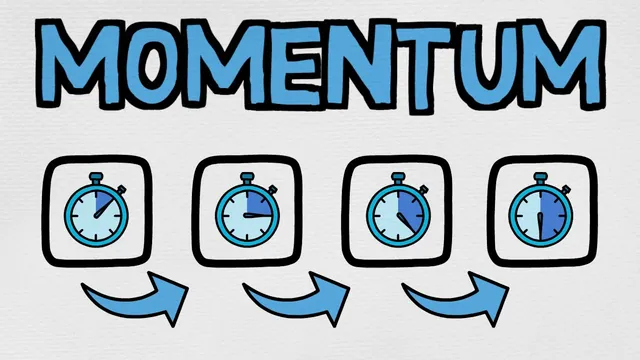
At the same time, the transcript stresses that “bare minimum” still matters because it keeps habits alive. Big goals are built from small actions: if someone can’t do three pushups, ten pushups won’t happen. Starting small lowers resistance and creates momentum—Newton’s first law is invoked to highlight how getting moving makes it easier to keep going. The transcript also addresses why people quit: tiny actions rarely pay off immediately, so progress can feel nonexistent until it suddenly appears. The ice-cube metaphor illustrates how gradual change becomes visible only after reaching a threshold.
The closing challenge returns to the future-self framing: imagine what habits your future self would thank you for starting today, and what neglect they’d wish you avoided. The prescription is simple—start with the bare minimum if needed, then add a fraction more when possible—because the “unrecognizably better” outcome comes from thousands of small, deliberate choices repeated until they rewrite the future.
Cornell Notes
Small actions and small neglect compound over time, shaping outcomes in health, productivity, relationships, and long-term goals. The transcript uses a “fragile timeline” and butterfly-effect framing to argue that tiny causes can create large consequences. It then quantifies compounding with a daily 1% improvement/worsening scenario, showing how slight differences multiply dramatically over a year. Consistency matters because progress is often invisible until a tipping point—like an ice cube that only starts melting after reaching a threshold. The practical method is to keep habits alive with the bare minimum, then push slightly beyond comfort (e.g., one extra page, rep, or follow-up) to accelerate results without burnout.
Why does the transcript insist that “small” choices matter so much?
How does the “1% rule” illustrate compounding?
What role does momentum play in making small habits stick?
Why do people quit even when they’re doing the “right” things?
How should someone balance “bare minimum” with “pushing a little further”?
Review Questions
- Give two examples from the transcript of how neglect compounds and two examples of how progress compounds.
- Explain the difference between “starting small” and “pushing slightly further,” and why both are recommended.
- Use the ice-cube metaphor to describe why patience is necessary for habit-based change.
Key Points
- 1
Tiny actions and tiny neglect both compound over time, shaping long-term outcomes.
- 2
Consistency beats occasional intensity; a life unravels when maintenance stops.
- 3
Progress is often invisible until a threshold is reached, so quitting too early is a common mistake.
- 4
Slight daily improvement can multiply dramatically over a year (about 37x for 1% daily, with higher multipliers for 1.1% and 1.2%).
- 5
Keep habits alive with the bare minimum, then add small upgrades when possible to accelerate results.
- 6
Momentum matters: starting changes headspace and makes continuation easier.
- 7
The most meaningful change often comes from thousands of small decisions rather than a single grand moment.