Why Is There So Much Right-Wing Media?
Based on Second Thought's video on YouTube. If you like this content, support the original creators by watching, liking and subscribing to their content.
The transcript argues that influence operates through networks of funded media and institutions, not just through large election-spending totals.
Briefing
Right-wing influence doesn’t just show up as big election spending numbers—it operates through a tightly funded network that steers both online media and mainstream outlets toward culture-war and climate-skeptic narratives, with real-world policy consequences. The central claim is about scale and mechanism: wealthy donors and billionaire-linked organizations funnel money into media ecosystems that reach millions, then use those platforms to amplify moral panics and pressure institutions and lawmakers.
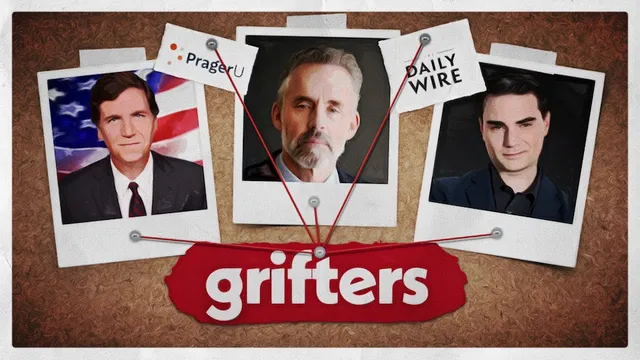
The transcript lays out the argument by tracing influence through two families—identified as the Wilkes brothers and the Koch brothers—and mapping how their money flows into media and adjacent political infrastructure. The Wilkes are described as far-right fracking billionaires whose funding helped create and sustain online outlets such as PragerU and The Daily Wire. Specific examples are given of content themes attributed to those outlets, including anti-LGBTQ rhetoric, calls for state violence against queer people, claims that the 2020 election was fraudulent, and climate-change denial. The reach is framed as comparable to major legacy institutions: on social platforms, The Daily Wire is said to sometimes draw audiences larger than outlets like The New York Times, The Washington Post, NBC News, and CNN combined, citing an NPR article from 2021.
From there, the transcript connects media influence to policy outcomes. It cites Florida legislation—HB1—as an example where The Daily Wire’s Matt Walsh is presented as a major factor in the bill’s passage, specifically targeting gender-affirming healthcare for people under 18. The argument then broadens beyond direct media investment: Koch-linked organizations are described as supporting conservative figures and projects that bridge from fringe audiences into more mainstream credibility.
The Koch network is presented as operating across multiple layers of the media ecosystem. The transcript claims Charles Koch funded Tucker Carlson’s media company, The Daily Caller, with a large share of revenue tied to Koch-linked foundations and Trump campaign money. It also describes Koch influence reaching into mainstream press via The Atlantic, where journalists are said to have connections to Koch-funded entities such as the Reason Foundation and FIRE. The mechanism is portrayed as a “bridge”: mainstream platforms lend legitimacy to ideas that align with climate denial, transphobia, and free-speech framing, while also elevating controversial figures like Jordan Peterson.
Beyond media, the transcript describes a broader infrastructure of nonprofits, donor networks, think tanks, and lobbying groups. It names organizations such as Americans for Prosperity, Stand Together, DonorsTrust, and Donors Capital Fund, describing them as conduits that pass grants to politically active 501(c)(4) organizations. It also lists major think tanks—Heritage Foundation, Cato Institute, and Manhattan Institute—and claims these groups help drive climate and culture-war agendas through research, staffing influence, and policy pressure. The transcript further alleges large-scale spending on attack ads against Democratic candidates and campaign support for far-right Republicans.
The closing sections argue that this kind of networked influence is difficult to replicate without billionaire-scale funding. It contrasts right-wing media’s ability to frame issues as “life or death” cultural conflicts with the challenge of matching that scale from the left. It then pivots to media literacy, recommending Ground News as a tool for comparing how different outlets frame the same story and identifying ownership and factuality ratings—positioned as a practical way to break out of “propaganda bubbles.”
Cornell Notes
The transcript argues that right-wing influence is best understood as a funded network, not just as headline election spending. It traces money from billionaire-linked organizations—especially the Wilkes and Koch families—into online media (like PragerU and The Daily Wire), more traditional conservative outlets (like The Daily Caller), and even mainstream credibility platforms (like The Atlantic). The claimed effect is large audiences plus repeated narrative framing—culture-war moral panics and climate-skeptic messaging—that can translate into policy outcomes, such as Florida’s HB1 restricting gender-affirming healthcare for under-18s. The transcript also describes a nonprofit and think-tank infrastructure that routes grants, funds “astroturf” groups, and supports lobbying and attack advertising. The practical takeaway is that media literacy requires knowing who funds what and how stories are framed.
How does the transcript move from “big spending” to “how influence actually works”?
What role do the Wilkes-linked outlets play in the transcript’s account?
How does the transcript describe Koch-linked influence reaching beyond fringe media?
What infrastructure does the transcript say carries the money and multiplies its impact?
Why does the transcript argue right-wing media framing matters for real-world outcomes?
What is the transcript’s suggested method for improving media literacy?
Review Questions
- What specific pathways does the transcript claim connect billionaire funding to media narratives and then to policy outcomes?
- Which organizations and media outlets are used as examples of influence in the transcript, and what kinds of messaging are attributed to them?
- How does the transcript define “media literacy” in practice, and what features of Ground News are presented as most useful?
Key Points
- 1
The transcript argues that influence operates through networks of funded media and institutions, not just through large election-spending totals.
- 2
It traces alleged funding flows from the Wilkes family into PragerU and The Daily Wire and links those outlets to culture-war and climate-skeptic messaging.
- 3
It claims right-wing online media can reach audiences comparable to major legacy outlets, using social reach as a key indicator.
- 4
It connects media narratives to policy impact, citing Florida’s HB1 as an example tied to The Daily Wire’s Matt Walsh.
- 5
It describes Koch-linked influence as spanning online media, conservative press, and mainstream credibility platforms, including The Atlantic.
- 6
It portrays a nonprofit and think-tank infrastructure—grant conduits, student groups, research centers, and lobbying—as the mechanism that multiplies donor influence.
- 7
It recommends Ground News to compare story framing and identify ownership and factuality ratings as a practical media-literacy step.