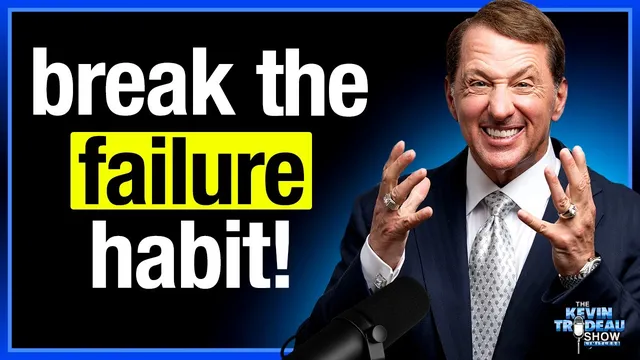
Why Most Men Stay Stuck and Fail (And How to Fix it): Kevin Trudeau Reveals the Truth
Based on The Kevin Trudeau Show: Limitless's video on YouTube. If you like this content, support the original creators by watching, liking and subscribing to their content.
Define a specific, quantifiable goal; without a destination, progress can’t be evaluated and life becomes drift.
Briefing
Most men feel stuck because they’re trying to hit life targets they never defined. The core prescription is blunt: success starts with knowing where you’re going—setting a specific, quantifiable goal—and then building the habits, associations, and mindset that make that destination inevitable. Without a clear target, progress becomes random drift, like a ship without a rudder that goes wherever wind and tides push it.
A central story from motivational speaker Zig Ziglar frames the problem as aiming at the wrong thing: a world-class archer could beat another champion every time if the opponent were blindfolded—because most people live as if they’re aiming at a target they can’t see. From there, the discussion pivots to “define your dream and get a burning desire for its achievement,” echoing Napoleon Hill’s Think and Grow Rich. The emphasis isn’t vague optimism; it’s obsession with a clearly identified outcome, paired with drive strong enough to override weather, setbacks, and distractions. The speaker also links this clarity to attraction and leadership: women, in this telling, respond strongly to men who know where they’re going, even if they’re currently broke or out of shape.
But dreams don’t vanish by accident. The transcript argues that “dream stealers” and negative influence—people who pull others toward passivity—erode ambition. The single most important success lever is framed as association: Aristotle Onassis is cited for the idea that who you spend time with “rubs off,” turning losers into losers and winners into winners. The practical test offered is measurement, not talk: if someone claims success, look for measurable results—titles, income, ownership, memberships, or other concrete indicators. Arnold Schwarzenegger is used as a case study for envisioning a specific physique and then seeking out measurable champions to train with, including bodybuilding titles and business ownership.
The transcript then expands into a broader success and “manifesting” framework. Training is presented as the first pillar—training the mind through books, audios, events, and personal development, not just gym work. Consistency matters more than speed: “do the right things long enough consistently,” with the recurring theme that most people quit before the payoff. The discussion also insists that visualization must include emotion—“feel now as if” the desired outcome is already real—while adding two “missing ingredients” for manifestation: releasing attachment to the outcome (so fear of not getting it doesn’t recreate lack) and identifying the “why behind the why,” described as the stronger force of avoiding pain rather than chasing pleasure.
Comfort and complacency are treated as the modern trap. With a “microwave society” delivering instant gratification, people accept mediocrity and stop creating. The antidote again returns to environment and action: surround yourself with goal-driven people, engage in the act of creating (cooking, building, fixing, making), and make decisive moves rather than getting stuck in indecision. Even spiritual concerns are addressed by tying prosperity and creation to biblical themes—seeking the kingdom first while treating money as a tool, not a god. The closing message is that “superhuman life” means going as far as you can see, one step at a time, while loving yourself and refusing to let anyone steal your dreams.
Cornell Notes
The transcript argues that most people stay stuck because they don’t know what they want. A clear, quantifiable goal—paired with “burning desire”—is presented as the starting point for success, because you can’t know if you’ve arrived without knowing the destination. Dream-killing influence is blamed on “dream stealers,” and the most important success factor is framed as association: spending time with winners creates winner habits. The path to results is described as consistent training (especially training the mind), decisive action, and visualization with emotion, plus releasing attachment to outcomes. The speaker also ties prosperity and manifestation to Christian ideas by treating money as a tool and prioritizing divine connection and inner alignment.
Why does “not knowing where you’re going” lead to feeling stuck?
What role does association play in success, and how is it measured?
How does the transcript connect visualization or “manifesting” to action?
Why is “pain” described as a stronger motivator than pleasure?
How does the transcript reconcile prosperity and manifestation with Christianity?
What does “superhuman life” mean in practical terms?
Review Questions
- What specific behaviors does the transcript recommend to replace “wandering generality” with a defined destination?
- How does the transcript distinguish between measuring success and merely hearing success talk?
- Which two “missing ingredients” are claimed to make manifestation work, and how do they relate to fear and attachment?
Key Points
- 1
Define a specific, quantifiable goal; without a destination, progress can’t be evaluated and life becomes drift.
- 2
Build “burning desire” through obsession with the outcome, but pair it with consistent daily training and action.
- 3
Choose your environment deliberately: association with winners is treated as a primary driver of success, and talk is less important than measurable results.
- 4
Use visualization with emotion (“feel now as if”); then release attachment to the outcome to prevent fear from recreating lack.
- 5
Motivation is framed as pain-avoidance as much as pleasure-seeking; create enough emotional intensity to clarify what you won’t tolerate anymore.
- 6
Combat modern complacency by surrounding yourself with goal-driven people and focusing on the act of creating, not just acquiring results.
- 7
Decide and act: indecision is portrayed as costly, and “a good plan implemented violently today” beats waiting for the perfect moment.