Why We Isolate Ourselves and How to Reconnect
Based on Einzelgänger's video on YouTube. If you like this content, support the original creators by watching, liking and subscribing to their content.
Loneliness and social isolation are linked to both mental and physical health risks, including anxiety, depression, poor sleep, cognitive decline, and impaired immunity.
Briefing
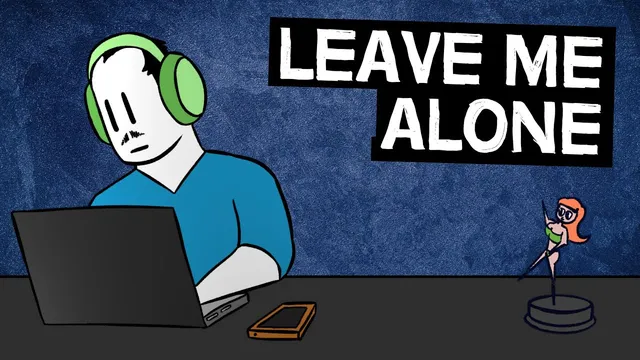
Social isolation can start as a coping strategy—seeking peace, avoiding judgment, or escaping fear—but it often deepens into a cycle that harms mental and physical health. The core tension is “chicken and egg”: unhappiness can drive people inward, yet isolation itself can intensify despair. That matters because loneliness and social disconnection are linked to a wide range of outcomes, from anxiety and depression to poorer sleep, impaired executive function, accelerated cognitive decline, and weakened immunity across ages.
Public health data underline how widespread the problem is. The World Health Organization estimates that about 1 in 4 older people experience social isolation, while 5% to 15% of adolescents experience loneliness. In the U.S., a poll by the American Psychiatric Association found 30% of adults reported feeling lonely at least weekly and 10% every day. Health experts have even compared the harm of lacking social connections to the risk associated with smoking 15 cigarettes a day, citing links to infectious diseases, anxiety, depression, and premature death. Psychologist Louise Hawkley’s work is used to connect social isolation with practical, day-to-day consequences—sleep quality, cognitive performance, and immune functioning—suggesting the damage isn’t confined to older adults.
The transcript also broadens “isolation” beyond people who are simply alone. Hikikomori—often young men who withdraw from society, frequently staying in their parents’ homes and spending time on video games—is presented as a major example of youth social withdrawal. Research on Hikikomori finds risk factors that correlate with depression and anxiety, and it emphasizes spillover effects: withdrawal affects the individual, loved ones, and society, while caregiver reliance can contribute to burnout. Isolation can also shape beliefs. A 28-year study links loneliness—especially loneliness that rises over time—to greater endorsement of conspiracy worldviews in midlife, raising the possibility that echo chambers may be fueled by social disconnection and reduced exposure to corrective real-world feedback.
Why do people withdraw? Trauma, grief, disappointment, and distrust of others are described as common triggers. But the most persistent driver highlighted is social anxiety: fear that others will notice something wrong and reject them, often paired with physical symptoms like trembling, sweaty palms, and a shaky voice. Avoidance becomes the coping mechanism—skipping social settings that provoke anxiety—yet avoidance doesn’t reduce fear; it tends to worsen it by reinforcing the belief that social situations are dangerous.
The transcript frames the dilemma through Schopenhauer’s Hedgehog Dilemma: closeness offers warmth, but it also brings pain. The key question becomes whether the “cold” of loneliness is worse than the “spines” of interpersonal discomfort. Research in the Journal of Personality and Social Psychology is cited to argue that people who have more social interactions are generally happier, including introverts—particularly when conversations are deeper.
The proposed path out is not forced extroversion but reconnecting in manageable steps. Barriers are often internal: catastrophic thoughts about the world, about personal inadequacy, or about how others will judge. The transcript recommends challenging and replacing irrational predictions (for example, reframing “Everyone will judge me” into a more realistic “Some people might notice my nervousness, but most won’t care”), along with acceptance of awkwardness and imperfection. Epicurus is invoked to suggest that pain can be sharp but short-lived, while enduring pain is weaker—and that friendship and intimacy are worth the risk. The closing message is direct: social isolation can be ended by getting out and connecting, even though the journey is daunting.
Cornell Notes
Social isolation often begins as a way to avoid fear or judgment, but it can intensify loneliness and trigger mental and physical harm. Public health figures show the issue is widespread: the WHO estimates about 1 in 4 older people experience social isolation, and 5–15% of adolescents experience loneliness; U.S. polling finds many adults feel lonely weekly or daily. Research cited links loneliness to outcomes such as poor sleep, impaired executive function, cognitive decline, and weakened immunity, and it also connects loneliness with depression/anxiety and even conspiracy belief endorsement over time. A major mechanism highlighted is social anxiety, where avoidance temporarily reduces discomfort but ultimately worsens fear. Reconnection is framed as the “warmth” that comes with some “spines,” and the transcript recommends challenging catastrophic thoughts, accepting awkwardness, and taking small steps toward deeper social interaction.
What makes social isolation a “chicken and egg” problem, and why does that matter for solutions?
Which health and wellbeing impacts are tied to loneliness and social isolation in the transcript?
How does the transcript describe Hikikomori, and what broader consequences does it emphasize?
Why does social anxiety lead to persistent isolation, according to the transcript?
What evidence is used to challenge the idea that closeness inevitably brings more pain than benefit?
What practical strategy is suggested for overcoming internal barriers to reconnecting?
Review Questions
- What mechanisms does the transcript propose for how social anxiety turns avoidance into long-term isolation?
- Which cited studies or statistics are used to argue that social interaction improves wellbeing even for introverts?
- How does the transcript connect loneliness with changes in beliefs, such as conspiracy worldviews?
Key Points
- 1
Loneliness and social isolation are linked to both mental and physical health risks, including anxiety, depression, poor sleep, cognitive decline, and impaired immunity.
- 2
The problem is bidirectional: distress can drive withdrawal, but isolation can also intensify distress and despair.
- 3
Social anxiety is presented as a central driver of isolation, with avoidance providing short-term relief while worsening long-term fear.
- 4
Isolation can have ripple effects beyond the individual, including caregiver burnout in cases like Hikikomori.
- 5
Loneliness is associated with increased endorsement of conspiracy worldviews over time, suggesting reduced real-world social feedback can distort beliefs.
- 6
Reconnection is framed as the “warmth” that outweighs the “spines” of interpersonal discomfort, supported by findings that more social interaction correlates with greater happiness.
- 7
Overcoming isolation often requires internal work—challenging catastrophic thoughts, practicing acceptance, and taking small steps toward deeper conversations.