Why you stay up late and how to fix it
Based on Ali Alqaraghuli, PhD's video on YouTube. If you like this content, support the original creators by watching, liking and subscribing to their content.
Start with clarity: decide whether staying up late is a genuine need or a habit worth changing, based on your real constraints and preferences.
Briefing
Staying up late isn’t automatically a problem; the real issue is what fills those extra hours—especially when fatigue makes the brain crave quick dopamine hits. The core fix is to replace mindless late-night behavior (like scrolling, texting, gaming, or snacking) with a designed environment and a structured “healthy dopamine” alternative that keeps productivity possible even when the rest of the household is asleep.
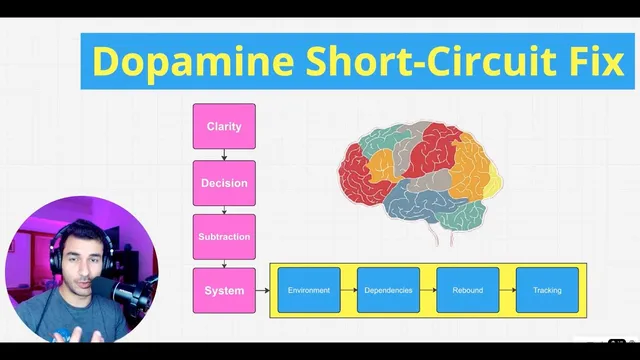
The first step is clarity: decide whether staying up late is genuinely preferable for legitimate reasons (quiet time, family schedules, an inability to wake early) or whether it’s simply a habit that can be changed. If the goal is to shift behavior, the most effective early move is to identify and remove the specific trigger that keeps nights from ending. For Ali Alqaraghuli, that trigger was phone-based distraction—especially mindless Instagram scrolling, late-night texting, and online chess or YouTube. The practical takeaway is blunt: track what keeps you up, then subtract it. If the culprit is social media or messaging, remove the apps, disable notifications, or use app-blocking tools that lock distractions during a defined window (for example, from 9:00 p.m. to 6:00 a.m.). He describes a setup where distracting apps are blocked after 9:00 p.m., with an emergency exception handled by calling rather than texting.
Next comes environmental design. Late-night productivity depends on what’s physically available and what cues your brain receives. He recommends optimizing the workspace so the “default” options are sleep or work—not bed lounging with a phone. That can mean a dedicated desk, a setup that makes sitting down feel natural, and even lighting or “vibe” adjustments. He also uses a TV example: if entertainment equipment isn’t functional, it can’t become a fallback. The broader point is to reduce friction for productive choices and increase friction for distractions.
Then the system targets dopamine dependencies. When sleep-deprived, the brain becomes “extra dopamine hungry,” making short, stimulating rewards—reels, social feeds, sugary food—feel irresistible. The goal isn’t just to remove those inputs; it’s to redirect dopamine toward healthier sources. That means building a priority list or, better, a productivity system with clear goals and an obvious next action—so progress itself becomes the reward. He criticizes overly long to-do lists that create overwhelm, arguing for a prioritization system that guides action.
Finally, the plan needs “rebound capabilities.” Some nights will go off-script—new plans, unexpected distractions, or occasional failures. Instead of self-criticism, the response should be curiosity: ask why the system broke, identify the weak point, and patch it. Over repeated cycles, the system becomes more resilient. The last step is tracking what happens so the alternative to late-night distraction is ready when the urge returns.
Cornell Notes
Staying up late is only harmful when the extra hours are filled with low-value, high-stimulation behaviors. The approach starts with clarity—decide whether late nights are a genuine need or a habit worth changing—then identify the specific trigger keeping you awake. A major lever is subtracting distractions (often phone apps) using notification control or app blocking during set hours. Next, redesign the environment and remove “dopamine dependencies” by making productive work the easiest path and progress the reward. Because nights won’t always go perfectly, the system should include a rebound plan: treat failures as data, fix weak spots, and track outcomes so the behavior improves over time.
How can someone tell whether staying up late is a legitimate need or a fixable habit?
What’s the “80–90%” move for reducing late-night behavior?
Why does fatigue make late-night scrolling or snacking harder to resist?
What does “healthy dopamine dependency” look like in practice?
What should someone do when the system fails on a night it goes off-track?
How can someone make sure productive alternatives exist when they stay up late?
Review Questions
- What specific late-night trigger would you test first for removal, and what method would you use (delete, notification off, or app blocking)?
- How would you redesign your environment so the default options at night are sleep or work rather than bed + phone?
- What would you include in a “rebound” plan to respond to a late-night slip without self-blame?
Key Points
- 1
Start with clarity: decide whether staying up late is a genuine need or a habit worth changing, based on your real constraints and preferences.
- 2
Identify the exact behavior keeping you awake, then subtract it—often by removing or blocking phone distractions during set hours.
- 3
Optimize the physical environment so productive work is the easiest option and entertainment or lounging is harder to access.
- 4
Reduce dopamine-driven dependencies by removing high-stimulation inputs (feeds, reels, sugary late snacks) that become more tempting when sleep-deprived.
- 5
Create healthy dopamine dependencies by linking late-night time to clear goals and an obvious next action that rewards progress.
- 6
Use a rebound-capable system: when nights go off-script, respond with curiosity, diagnose the system failure, and patch it instead of self-criticizing.
- 7
Track outcomes so the system improves over repeated cycles rather than relying on willpower.