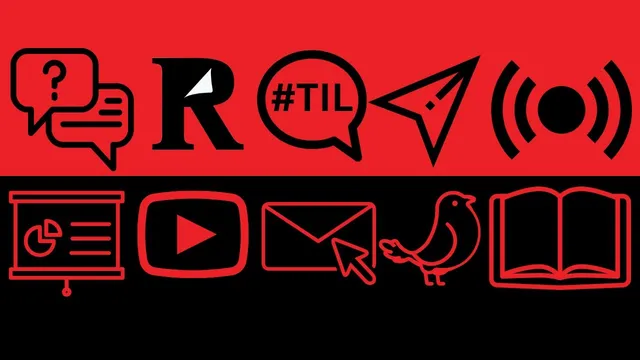
10 ways I learn in public
Based on Nicole van der Hoeven's video on YouTube. If you like this content, support the original creators by watching, liking and subscribing to their content.
Share work-in-progress, not just finished answers, because visible effort makes feedback more actionable.
Briefing
Learning in public works best when it turns uncertainty into usable feedback. Instead of waiting to be fully right, Nicole van der Hoeven argues for sharing “work in progress” so others can respond, correct, and build on what’s already been attempted. A guiding idea—often linked to Cunningham’s Law—is that posting a flawed question or draft can draw better answers than staying silent, because showing the work makes it easier for people to react concretely.
The approach starts with answering questions even when the answer isn’t polished. The emphasis is on authenticity: don’t perform expertise if confidence is low. A wrong answer can still trigger learning—either by prompting someone else to correct it or by helping others refine the reasoning. From there, the learning loop expands into public artifacts. Van der Hoeven highlights raising pull requests on GitHub even when a more elegant solution exists, framing mistakes as part of the collaborative process and giving both others and oneself permission to be imperfect.
Reading and note-taking become public-facing through curated highlights. Using Readwise with an Obsidian workflow, she imports highlights into an Obsidian vault and publishes them via Obsidian Publish. The result is a public library where even unfinished literature review notes can be valuable. Readers can see what chapters were highlighted, and comments made on a Kindle can be converted into headings automatically—turning casual reading signals into structured, searchable knowledge. The payoff isn’t just personal organization; it’s community interaction, including people looking up what she highlighted before they even start reading.
Sharing what’s learned matters as much as collecting it. She points to Josh Brown’s “TIL” (Today I Learned) GitHub repository as a model: short, daily snippets tied to specific needs—like practical Go build commands for a particular OS/architecture—rather than comprehensive tutorials. Her own version uses Mastodon and a hashtagged #til stream to document small discoveries, even when they’re recorded “live” alongside the learning process.
Publishing notes online increases the chance of targeted feedback. She publishes a large share of her notes (about 80%), not because every note is brilliant, but because visible drafts invite critique. In one example, showing a Kubernetes monitoring page enabled a friend to suggest concrete restructuring; asking from scratch would likely have produced a less useful response. She also keeps a public changelog using a Vault Changelog plugin, including a fork that adds features like excluding folders.
The list continues with interactive formats: live streams such as Grafana Office Hours, where engineers are interviewed and questioned by others; and slide-based presentations built from markdown using Obsidian’s Slides ecosystem (including Advanced Slides). She recommends recording the learning process in videos, writing newsletters or blog posts for a more polished consolidation (using Buttondown with an Obsidian integration), and even applying “canary deployment” thinking—rolling out new work to a small inner circle, then a friendly public audience, before going fully public.
Finally, the most ambitious step is writing a book in public. The project, titled Doing It in Public, is framed as another form of progress-sharing: outlining, drafting, and inviting feedback through Discord, GitHub issues, Mastodon posts, or the book’s published materials. The throughline across all ten methods is simple: share enough of the work to invite real, actionable responses—then iterate with the help of others.
Cornell Notes
Learning in public is most effective when it shares “work in progress” rather than waiting to be fully correct. Van der Hoeven emphasizes authenticity—answering questions and posting drafts even when uncertain—because visible effort makes feedback easier and often leads to better corrections. She describes a workflow that turns reading into public highlights (Readwise → Obsidian → Obsidian Publish), then extends it into public notes, changelogs, and short “Today I Learned” style posts. Interactive formats like live interviews and slide decks, plus iterative rollout strategies like canary deployments, help reduce the fear of going from private to fully public. The ultimate goal is to write a book in public, using the same feedback-driven mindset.
Why does posting imperfect questions or drafts tend to produce better answers than waiting to be sure?
How can reading highlights become a public learning resource rather than private note-taking?
What makes “Today I Learned” style posts useful compared with long explanations?
How does publishing notes online improve the quality of feedback?
What does “canary deployment” mean in the context of learning in public?
What tools and platforms support her public learning workflow?
Review Questions
- Which parts of the learning process become more “feedback-friendly” when they’re shared publicly, and why?
- How do Readwise highlights and Obsidian publishing work together to create a public knowledge base even without full notes?
- What phased-sharing strategy (canary deployment) does she recommend to reduce the fear of going fully public, and what are the stages?
Key Points
- 1
Share work-in-progress, not just finished answers, because visible effort makes feedback more actionable.
- 2
Answer questions even when uncertain, as long as the uncertainty is communicated and authenticity is maintained.
- 3
Turn reading into public learning by importing highlights into Obsidian and publishing them, so others can discover what mattered to you.
- 4
Publish drafts and changelogs to invite concrete critique; showing the work often yields better guidance than asking from scratch.
- 5
Use short “Today I Learned” style posts to capture specific, practical discoveries rather than comprehensive tutorials.
- 6
Run interactive learning loops through live streams and interviews where guests can be questioned with nuance.
- 7
Reduce risk when going public by rolling out to an inner circle first, then a friendly audience, and only later the full public.