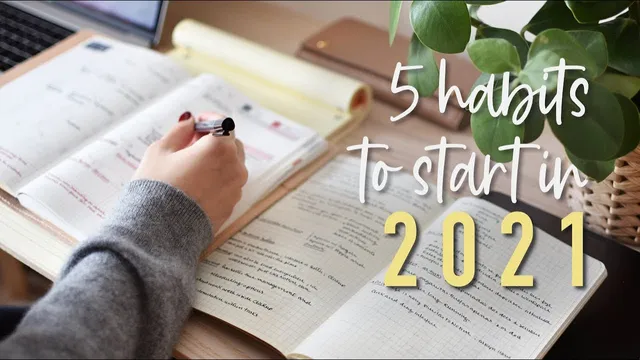
5 new habits to start in 2021
Based on Mariana Vieira's video on YouTube. If you like this content, support the original creators by watching, liking and subscribing to their content.
Build habits that fit real life by avoiding unrealistic “do everything at once” routines that invite disappointment.
Briefing
The core message is that 2021 habits should be built for real life—incremental, forgiving, and designed to reduce guilt—rather than stacked with unrealistic “start-from-zero” demands. After a globally rough year, the focus shifts from dramatic self-improvement to routines that protect mental well-being while still creating measurable change.
Mariana Vieira argues that many habit lists set people up to fail by demanding too much at once: meditate, journal, quit sugar, wake up at 5 a.m., and so on. Instead of treating setbacks as proof of failure, she recommends aiming for progress that can be sustained. That framing runs through all five habits.
First, she ties environmental awareness to practical steps and reduced self-blame. Rather than trying to become “100% sustainable” overnight, she researched better household alternatives, kept a list of items she wanted to replace, and tracked the trash she produced to find ways to reduce it. She also rejects the cycle of buying, decluttering, and repeating—opting to shop less and more intentionally so fewer items need to be purged later. The key takeaway: mistakes are part of the transition; the goal is to get incrementally better without turning every misstep into guilt.
Second, she pushes “giving yourself some slack.” Missing a week of exercise, not reading for a month, or binge-watching a show isn’t treated as moral failure. Productivity fluctuates with psychological and hormonal changes, weather, work conditions, health, and motivation. When a slump hits, she advises treating it as temporary—work through it, recharge, and recognize that slumps often follow periods of strong effort.
Third, she makes movement a flexible habit rather than a structured workout plan. During lockdown, she built a low-cost setup—weights, resistance bands, and ankle weights—then relied on free Fitness Blender workouts. She also counts cleaning as exercise, uses dog walks to move faster, and adds small bursts like stretching or Pilates during lunch breaks. The emphasis is on staying in motion, not on becoming a runner.
Fourth, she recommends decisions that benefit the future. The habit is to anticipate how choices will feel later and whether present actions will create future stress. She illustrates this with overnight oats: preparing them at night prevents skipping breakfast or settling for less nutritious food in the morning.
Fifth, she normalizes restarting and retrying. There’s no rule that habits must begin on January 1, and failing in February doesn’t require waiting until next year. She also critiques habit trackers that punish people for empty streaks mid-month, arguing that they can waste time that could be used to rebuild. If tracking helps anyway, she points to Notion as an all-in-one tool for goal setting, task management, reading lists, and personal planning, offering a free account via a link in the description.
Cornell Notes
The habits focus on sustainable change: build routines that fit real life, not perfectionist fantasies. Environmental awareness is approached through research, intentional shopping, and reduced guilt about imperfect transitions. “Give yourself some slack” treats slumps as normal cycles influenced by mood, hormones, weather, health, and motivation. Movement becomes a flexible practice—weights, resistance bands, free workouts, cleaning-as-exercise, and short stretches—so staying active doesn’t depend on a gym. Future-benefiting decisions and frequent restarts (without waiting for January) help turn small actions into lasting habits, with Notion suggested as a planning and tracking tool if desired.
Why does the environmental habit avoid an all-or-nothing approach?
What does “giving yourself some slack” mean in practice?
How does she make “move” realistic during lockdown?
What’s the mechanism behind the “benefit your future self” habit?
Why does she discourage habit trackers, and when does she still recommend them?
How does “allow yourself to restart multiple times” change the timeline for habits?
Review Questions
- Which of the five habits most directly addresses guilt after setbacks, and what specific behaviors support that approach?
- How do the “move” and “benefit your future self” habits differ in what they optimize—consistency in action versus consistency in decision-making?
- What are two reasons she gives for why productivity can’t stay high, and how should someone respond when a slump hits?
Key Points
- 1
Build habits that fit real life by avoiding unrealistic “do everything at once” routines that invite disappointment.
- 2
Practice environmental change incrementally: research alternatives, track trash, and shop less with longer-lasting purchases instead of cycling through decluttering.
- 3
Treat slumps as normal fluctuations influenced by hormones, weather, health, and motivation; respond by recharging and continuing rather than quitting.
- 4
Keep movement flexible and equipment-light by combining home workouts, chores-as-exercise, faster walks, and short stretching breaks.
- 5
Make decisions that help your future self by anticipating how present choices will affect tomorrow’s convenience and well-being.
- 6
Restart habits immediately after failure—there’s no requirement to wait for January or a “perfect” start date.
- 7
Use habit tracking only if it motivates; otherwise, consider a gentler system like Notion for planning and goal management.