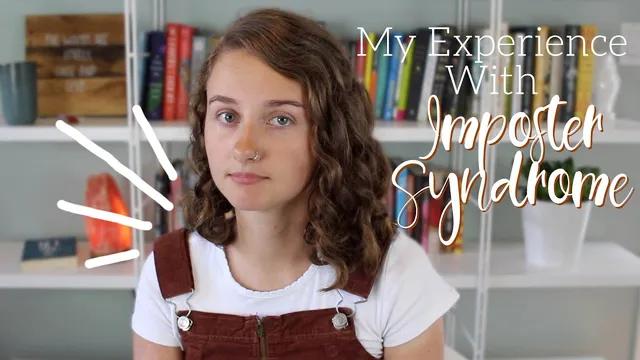
A Chat About Confidence and Imposter Syndrome
Based on ShaelinWrites's video on YouTube. If you like this content, support the original creators by watching, liking and subscribing to their content.
Imposter syndrome can spike right after success becomes public, turning excitement into the belief that the achievement is undeserved.
Briefing
Imposter syndrome shows up as a fast, decisive internal verdict: after a writer achieves something—like getting published or sending work out for beta reading—confidence collapses into the belief that nobody will like the work and that the writer is fundamentally unqualified. In ShaelinWrites’ account, the most striking pattern isn’t constant self-doubt; it’s the moment success becomes public-facing. Excitement can last only days before the mind rewrites the achievement as undeserved, shrinking the publication’s significance or insisting the story isn’t actually good.
The origin story traces back to the first short story published. After an initial burst of pride, the writer began “talking [themselves] down” from the accomplishment—arguing the story wasn’t insightful, that readers would misread it, and that the publication itself didn’t matter. A conversation with their mother becomes the turning point: “That’s imposter syndrome,” she labels it, giving the insecurity a name and helping the writer recognize the pattern. Even so, the insecurity doesn’t disappear; it evolves into behavior, such as downplaying the publication by refusing to list it as a credit and treating it as something to be ashamed of.
A second key manifestation centers on audience reaction. When a more recent story is accepted and prepared for release, the anxiety isn’t framed as “maybe people won’t like it.” It’s framed as certainty: the writer can’t even imagine readers liking the work, and the only outcome they can picture is rejection. The same certainty intensifies around personal critique—especially beta reading. Despite having experience receiving feedback through workshops and classes, beta reading triggers a specific defensive cycle.
Once the draft is sent to beta readers, the writer starts to dislike the project themselves, focusing on execution flaws rather than hating the characters or the core idea. While waiting for responses, they also begin broadcasting the insecurity—talking publicly as if the book is already failing. The writer describes this as a protective strategy: if the worst case happens (readers hate it), at least the writer already “knew.” If the less-bad case happens (readers dislike it but not as much), the writer can point to having predicted it. Underneath is a fear of being seen as not self-aware—especially the fear of being proud of the work and then having others expose it as fraudulence.
The platform adds another layer. With an author audience, the writer feels watched and constantly compares themselves to an imagined crowd. Comments about age—being perceived as younger than their actual age—feed the sense of being “too young” or “unqualified,” sharpening the imposter narrative. The result is a cycle that interferes with writing itself: the writer loves drafts early, then panics as publication nears, believing they’ll be shunned as a “stupid fraud.” Even when they don’t feel insecure all the time, the approach of being read can turn love into embarrassment.
Rather than offering a step-by-step cure, the account lands on a quieter takeaway: imposter syndrome is common, it can intensify around visibility and critique, and naming it can help—though it doesn’t guarantee an immediate turnaround. The writer ends by acknowledging the emotional cost of revisiting these feelings, while insisting the insecurity hasn’t ruined their career or life, even if it can temporarily derail their relationship with their own work.
Cornell Notes
Imposter syndrome can hit writers hardest right after success becomes public—publication, promotion, or sending work to beta readers. In ShaelinWrites’ experience, the insecurity often turns into a certainty that nobody will like the work, not a vague “maybe.” Beta reading triggers a defensive loop: once the draft is out, the writer starts to dislike the execution themselves and may even preemptively frame the project as flawed. The fear isn’t just rejection; it’s being seen as un-self-aware or as a fraud if pride turns out to be “wrong.” The practical value is recognition: naming the pattern helps, even when confidence still dips near visibility.
What does imposter syndrome look like in this writer’s day-to-day pattern—constant doubt or something more specific?
How did the writer learn the term “imposter syndrome,” and what changed after that?
Why does beta reading trigger a stronger reaction than other forms of critique?
What fear drives the preemptive self-criticism described here?
How does the writer’s online platform and audience affect the imposter syndrome cycle?
What does the writer say about their relationship with their writing over time?
Review Questions
- Where in the writer’s process does confidence most reliably collapse, and what triggers that shift?
- What defensive purpose does the writer attribute to disliking the draft after sending it to beta readers?
- How do platform visibility and age-related perceptions interact with the writer’s sense of qualification?
Key Points
- 1
Imposter syndrome can spike right after success becomes public, turning excitement into the belief that the achievement is undeserved.
- 2
In this account, the most intense form of doubt is certainty—an inability to imagine readers liking the work.
- 3
Beta reading can trigger a defensive loop where the writer starts to dislike the draft themselves before feedback arrives.
- 4
The underlying fear is not only rejection, but being seen as un-self-aware or as a fraud if pride proves “wrong.”
- 5
Online visibility can intensify the sense of being watched, compared, and judged—especially when comments challenge perceived credibility (like age).
- 6
Confidence and love for writing can coexist with insecurity; the insecurity often targets execution and the timing of being read.
- 7
Naming imposter syndrome can help recognition, but it doesn’t guarantee an immediate emotional turnaround.