Dealing with Rejection as a Writer
Based on ShaelinWrites's video on YouTube. If you like this content, support the original creators by watching, liking and subscribing to their content.
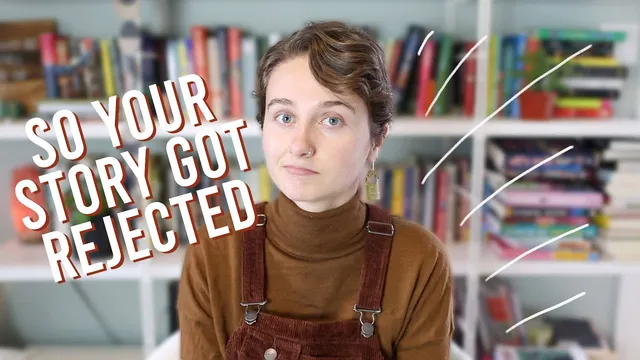
Rejection is unavoidable in writing; the goal is to manage it so it doesn’t stop submissions.
Briefing
Rejection is unavoidable in writing, but it doesn’t have to function as a personal verdict. The core move is to manage rejection so it doesn’t stop submissions—because not submitting produces the same “no acceptance” outcome, while submitting at least keeps the door open. Every writer, including those admired by readers, faces rejection; the difference is how rejection is processed afterward.
A practical starting point is submitting work that’s genuinely finished and polished. When writers send out pieces that are “95% done” and skip the final polish, rejections tend to trigger a nagging “what if” that can feel like self-blame. Submitting the strongest version—something the writer can stand behind—shifts the emotional logic of rejection: if the piece is declined, it’s more likely a mismatch with what an editor or contest needs, not proof that the writer failed to do the job.
Rejection also becomes easier to absorb when writers plan for what comes next. Building a backup submission path—deciding where the piece will go if it’s declined—turns rejection from an endpoint into a handoff. That mindset pairs with broadening targets: chasing a single “dream” magazine, agent, or contest can trap writers into over-investing in one outcome. Submissions typically require multiple tries across many outlets before a piece finds the right home.
Another key reframing is rejecting the idea that acceptance and rejection form a simple good-versus-bad binary. Editors and agents receive far more material than they can take on, and even strong work can be declined for reasons that have nothing to do with quality—fit, timing, personal taste, or simply not clicking. Layering extra meaning onto a rejection—such as assuming it’s personal, that it proves the work has no value, or that it predicts future failure—only intensifies the sting. Rejection, at most, means the submission wasn’t accepted.
Luck plays a role too, and writers are encouraged to treat it as part of the system rather than a consolation prize. Similar submissions can be blocked by editorial constraints (for example, too many pieces on the same theme), and even strong work can miss because it didn’t land with the right reader at the right time. Submitting earlier in a submission window can reduce the risk of being crowded out by near-duplicates.
To keep momentum, writers can lower the emotional cost of early attempts by choosing lower-stakes opportunities—especially free ones—so rejection doesn’t come with added financial pain. She also recommends setting a “rejection goal,” like aiming for a certain number of rejections before the end of the year, turning rejection into measurable progress rather than a threat.
Finally, publishing shouldn’t be treated as a ranking of writer quality. Getting published in one place doesn’t automatically mean someone else is better, and comparing achievements can create an endless ladder of “not enough.” Rejection can be treated analytically instead: patterns across multiple declines may suggest mismatched outlets or needed revisions. Over time, repeated exposure helps writers see rejection more objectively—less as a punishment and more as a neutral step on the path to finding the right fit.
Cornell Notes
Rejection is a normal part of writing and shouldn’t be treated as a personal verdict. Writers are urged to submit their best-polished work, plan ahead for where a declined piece can go next, and avoid putting all hopes into a single “dream” outlet. Acceptance and rejection aren’t a simple good/bad binary—strong work can be declined due to fit, timing, volume of submissions, or editorial preference. Rejection can also involve luck, including constraints like thematic overlap, so early submission and broad targeting matter. To build resilience, writers can use lower-stakes (often free) opportunities and even set a rejection goal to convert setbacks into progress.
Why does not submitting often lead to the same outcome as submitting and getting rejected?
How can polishing affect the emotional impact of rejection?
What does it mean to reject the “good vs. bad” binary in publishing decisions?
How does luck enter the rejection process, and what can writers do about it?
What strategies help writers manage the sting of rejection over time?
Why shouldn’t publishing be treated like a ranking of writer talent?
Review Questions
- Which parts of a rejection are within a writer’s control (and which aren’t), according to the guidance here?
- How would you build a “backup plan” for a piece before submitting it to a contest or magazine?
- What patterns across multiple rejections might suggest changes to outlets or revision strategy?
Key Points
- 1
Rejection is unavoidable in writing; the goal is to manage it so it doesn’t stop submissions.
- 2
Submit the best-polished version of a piece to avoid “what if I’d finished it” regret after a decline.
- 3
Plan ahead for where a declined piece will go next so rejection becomes a new opportunity, not an endpoint.
- 4
Avoid over-investing in a single dream magazine/agent/contest; successful publishing usually requires many submissions across many outlets.
- 5
Treat acceptance and rejection as fit-based decisions, not a simple good-versus-bad judgment of quality.
- 6
Don’t add extra negative narratives to rejections (personal attacks, claims about future worth, or ownership of the work).
- 7
Use lower-stakes submissions and even a rejection goal to build resilience and keep momentum.