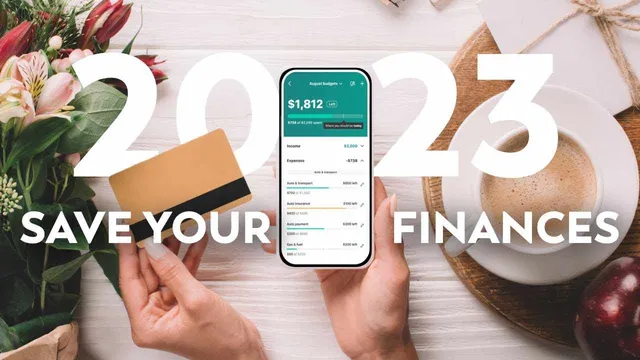
Do This to Save Your Finances in 2023💸
Based on Mariana Vieira's video on YouTube. If you like this content, support the original creators by watching, liking and subscribing to their content.
Audit subscriptions and automatic payments by listing every recurring charge, then calculate the annual total by multiplying monthly costs by 12.
Briefing
Personal finance in 2023 hinges on tightening the basics—especially cash flow leaks, emergency preparedness, and predictable expenses—then reinforcing the habit with automation and debt payoff. The most immediate lever is a hard look at recurring spending: subscriptions and automatic payments. Streaming services, app memberships, and subscription boxes can quietly drain budgets. Adding up monthly costs and multiplying by 12 often reveals how much money goes to maintaining a “catalog” of entertainment rather than delivering real value. The same audit logic applies to any recurring charge, not just entertainment.
From there, the plan shifts to building buffers and smoothing out financial shocks. A side hustle or passive income—even around $100 per month—can create breathing room for saving and managing day-to-month obligations. But the foundation is an emergency fund sized to cover roughly three to six months of expenses, tailored to income stability and personal risk. That reserve is meant for job loss, repairs, or unexpected maintenance, reducing the stress of having no place to pull money from when life interrupts.
Another practical move is pre-funding predictable “surprise” bills. Many costs arrive annually or irregularly—car maintenance, property tax, car repairs, and tax-related expenses. Instead of scrambling when the bill lands, the approach is to total those expected yearly costs, divide by 12, and set aside the monthly amount so the money is already there.
Food is treated as a major battleground because small daily spending habits compound into large monthly totals. The guidance includes buying groceries in bulk when space allows and using online grocery shopping to control spending—reviewing cart totals, removing items if over budget, and comparing prices per pound or kilo to find cheaper options. It also recommends limiting how often people eat out: dining out weekly can be replaced with a lower frequency (for example, two times per month) while preserving the enjoyment. Finally, it targets “tiny” budget drains like snacks, daily coffee, and desserts—either cutting them, reducing frequency, or buying them in bulk at the supermarket instead of paying premium prices from vending machines or on-the-go purchases.
The remaining steps focus on timing and behavior. Postponing upcoming expenses—like a car or furniture purchase—can prevent unnecessary strain when financial comfort is still being built. Automating savings through home banking is framed as a way to remove decision fatigue: money moves out of the checking account as soon as it arrives, building emergency funds or goal accounts without constant mental effort. Investing is presented as conditional on personal circumstances, country, income, and risk tolerance, with an emphasis on learning the basics and understanding product risk before committing.
The list also extends beyond spending to social and psychological choices. Holiday gifting should shift from clutter to usefulness by asking for what someone truly needs and offering to contribute toward purchasing it. Debt payoff is positioned as a mindset upgrade too: starting with the smallest debt can build momentum, especially when interest rates are considered. Underlying all of it is the belief that financial outcomes improve when money habits and beliefs change—reinforced by the book “The Psychology of Money.” Audible is promoted as a way to listen to that title and other audiobooks, with a free 30-day trial for new members.
Cornell Notes
The core message for 2023 is that better financial health comes from reducing recurring leaks, building buffers, and making saving automatic. Start by auditing subscriptions and automatic payments, since monthly charges multiplied across a year often reveal unnecessary spending. Build an emergency fund (about three to six months of expenses) and pre-save for predictable annual costs by dividing yearly expenses into monthly set-asides. Control food spending by buying groceries in bulk, using online carts to stay within budget, limiting restaurant outings, and cutting or replacing small daily “snack” purchases. Finally, automate savings, postpone nonessential big purchases, learn about investing based on risk tolerance, and pay down debt—often beginning with the smallest balance for motivation.
Why does reviewing subscriptions and automatic payments matter so much for 2023 budgeting?
What’s the practical difference between an emergency fund and “pre-saving” for predictable bills?
How can someone reduce food spending without eliminating enjoyment entirely?
What role does automation play in saving money?
Why might postponing an expense be a better move than buying it immediately?
How does the transcript connect debt payoff to motivation and psychology?
Review Questions
- What recurring expenses should be audited first, and how should the annual cost be calculated?
- How would you design a monthly set-aside plan for yearly expenses like property tax and car repairs?
- Which food-spending changes target both big categories (groceries, dining out) and small daily drains (snacks, coffee)?
Key Points
- 1
Audit subscriptions and automatic payments by listing every recurring charge, then calculate the annual total by multiplying monthly costs by 12.
- 2
Build an emergency fund sized to roughly three to six months of expenses based on income stability and personal risk.
- 3
Pre-save for predictable annual or irregular bills by totaling expected yearly costs and dividing by 12 to set aside monthly.
- 4
Reduce food spending through bulk grocery buying, online cart control, fewer restaurant outings, and cutting or replacing small daily purchases.
- 5
Postpone nonessential big-ticket expenses by one to two years when doing so improves financial comfort.
- 6
Automate savings transfers so money moves out of checking as soon as it arrives, reducing temptation and decision fatigue.
- 7
Pay down debt with a psychology-first approach—often starting with the smallest balance for momentum—while still considering interest rates.