Habit You MUST Acquire - Keystone Habit
Based on Better Than Yesterday's video on YouTube. If you like this content, support the original creators by watching, liking and subscribing to their content.
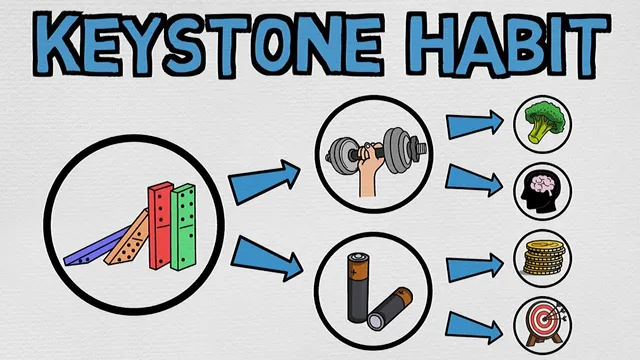
Keystone habits are single behaviors that trigger a chain reaction, making other habits easier to start and sustain.
Briefing
A single “keystone habit” can trigger a cascade of other positive behaviors—often without extra effort—making it one of the most efficient levers for changing a life. Keystone habits are defined as one primary habit that helps other habits stick and spread, creating a domino effect where improvements reinforce each other. The practical implication is straightforward: instead of trying to overhaul everything at once, people should identify the one habit most likely to stabilize and multiply their progress, then protect it from collapse.
The transcript illustrates the mechanism through a detailed example of “Mike,” who decides to change his routine after realizing his days revolve around work, TV, and video games. He commits to exercise three times per week by joining a gym and training regularly. Over time, that one change reshapes multiple parts of his life. As workouts reduce his stress and fatigue, he smokes less. Better recovery improves his sleep—he falls asleep faster and wakes less—boosting daytime energy. With more energy and focus, he becomes more productive at work and eventually earns a promotion. Even secondary habits follow: he starts cooking to eat more protein-rich meals, which supports gym progress, and he saves money by eating fewer restaurant meals. The key point is that Mike didn’t plan every downstream change; the exercise habit acted as the starting point for an avalanche of other habits.
The same logic applies in reverse. Keystone habits can be damaging, too. A harmful habit can pull other behaviors into a downward spiral, and removing the keystone often causes the rest of the bad pattern to weaken or fall apart. That’s why the transcript emphasizes “protecting” a positive keystone habit and actively breaking any keystone habit that holds someone back.
To help viewers choose where to start, the transcript recommends three keystone habits grouped into a “health trinity”: exercise, diet, and sleep. These habits tend to reinforce each other—better diet supports better sleep, and better sleep increases willpower and reduces urges, making diet easier to maintain. The transcript also argues that sleep may be the most powerful starting point because it improves motivation, energy, focus, and self-control, which then makes other habits feel less like chores.
Beyond the health trinity, two additional keystone habits are proposed. Planning and tracking activities can create objective feedback loops: setting a daily or weekly plan improves direction, while tracking (whether gym progress, spending, or time use) reveals patterns people underestimate—such as realizing cigarette purchases add up to far more than expected. Finally, meditation is framed as a mental recovery tool for busy people. By reducing anxiety and stress and improving attention and self-control, meditation helps people take the mental breaks their brains need, making other habits easier to sustain.
Overall, the transcript’s central message is that life improvement doesn’t require dozens of simultaneous changes. Find one keystone habit—especially within health, planning/measurement, or mental recovery—then commit long enough for the domino effect to take hold.
Cornell Notes
Keystone habits are single behaviors that make other habits easier to start and sustain, creating a domino effect. The transcript’s example shows how committing to exercise three times per week led to reduced smoking, improved sleep, higher energy, better work performance, and even changes in cooking and spending—without trying to manage each outcome directly. Keystone habits can also be harmful, so identifying and breaking a damaging keystone can cause other bad habits to weaken. The recommended keystone starting points include the health trinity (exercise, diet, sleep), with sleep highlighted as especially influential. Planning and tracking add objective feedback, while meditation provides mental recovery that improves self-control and attention, making other habits more manageable.
What makes a habit a “keystone habit,” and why does it matter for behavior change?
How did Mike’s exercise habit create multiple changes beyond fitness?
Why does the transcript warn that keystone habits can be damaging?
What is the “health trinity,” and how do its parts reinforce each other?
Why is sleep presented as a particularly strong keystone habit?
How do planning/tracking and meditation function as keystone habits?
Review Questions
- Which downstream changes in Mike’s life were most directly linked to his exercise habit, and which ones were secondary effects?
- How would you decide whether your current habit is a beneficial or damaging keystone?
- If you could only start one habit from the health trinity for a month, which would you choose and what reinforcement loop would you expect?
Key Points
- 1
Keystone habits are single behaviors that trigger a chain reaction, making other habits easier to start and sustain.
- 2
A positive keystone habit can create multiple improvements across health, productivity, and finances, often without micromanaging each outcome.
- 3
Damaging keystone habits can stabilize a downward spiral; breaking the root habit can cause other bad habits to weaken.
- 4
The health trinity—exercise, diet, and sleep—tends to reinforce itself, so starting with any one can gradually build the others.
- 5
Sleep is highlighted as a high-leverage keystone because it boosts motivation, energy, focus, and self-control.
- 6
Planning and tracking turn habits into measurable systems, revealing patterns people often misjudge (like cumulative spending).
- 7
Meditation is framed as mental recovery that reduces stress and improves attention and self-control, making other habits easier to maintain.