How Paper Gets You Out of a Rut
Based on Mariana Vieira's video on YouTube. If you like this content, support the original creators by watching, liking and subscribing to their content.
Handwritten notes can support deeper learning because the slower pace forces selection and mental processing rather than verbatim transcription.
Briefing
Paper is positioned as a practical antidote to screen overload: swapping even small chunks of screen time for pen-and-paper work and physical reading can sharpen learning, reduce mental fatigue, and make daily routines feel more manageable. The core claim is that handwriting and paper-based tasks force deeper thinking—because they’re slower and require selecting what matters—while digital note-taking often turns into verbatim transcription that leads to shallower processing.
A 2014 study is cited to support the learning angle. Students taking notes on laptops tended to transcribe lectures word-for-word, which correlated with weaker performance on later tasks. By contrast, students writing by hand performed better on factual recall and conceptual understanding. The mechanism offered is straightforward: handwriting demands more mental engagement, slows the flow enough to require prioritization, and prevents dumping everything onto a device instead of actively processing what’s being heard.
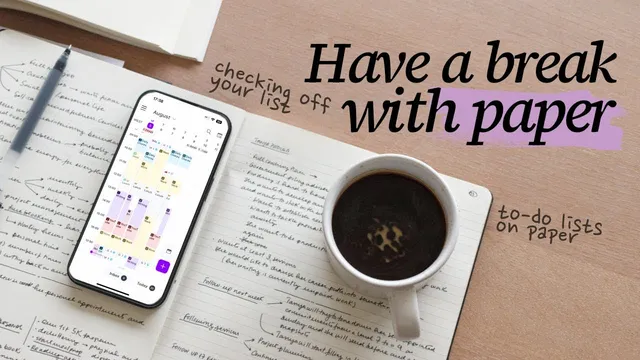
The transcript then turns that idea into a set of low-friction habits. For handwriting, it recommends starting with a single notebook (not loose paper) so notes stay organized and the desk doesn’t become cluttered. An index or table of contents is suggested to keep the notebook navigable. Daily journaling is proposed as the easiest on-ramp: set aside about 10–15 minutes each day for thoughts, goals, or reflections, with “prompt journaling” used to reduce blank-page friction. For people who feel overwhelmed, handwritten to-do lists are offered as a short-term reset—switching from calendar blocking to paper lists for a couple of weeks or months to change mindset, improve prioritization, and create a sense of progress through checkmarks.
Paper books are treated as another distinct benefit. Reading on paper is described as helping the brain build a coherent mental map because text feels physically situated in the environment; that physicality is said to make navigation and “seeing the bigger picture” easier than on screens, which can interrupt intuitive orientation.
To make physical reading stick, the advice is routine-based rather than gamified: pick a book that’s genuinely enjoyable, find a comfortable reading spot with good lighting, and set a modest daily goal—at least 10 minutes—then gradually increase. Instead of habit trackers, the transcript recommends designing cues and triggers so the behavior becomes automatic, like brushing teeth.
Finally, the transcript frames paper as part of a broader strategy for digital fatigue. It suggests scheduling screen breaks (for example, 5–10 minutes every hour) and using that time for analog activities such as sketching, journaling, drawing, or reading. It also encourages analog hobbies and movement—crafts, painting, stretching, and exercise—as ways to refresh attention without constant screen stimulation.
The closing segment adds a promotional tie-in for Brilliant, pitching short, practical lessons for learning data analysis and visualization using real datasets from sources like Starbucks, Twitter, and Spotify, while still requiring some screen time for the lessons. The overall throughline remains consistent: start small, stay consistent, and use paper’s tangible, slower pace to rebuild focus and momentum.
Cornell Notes
Handwriting and physical reading are presented as effective ways to escape mental ruts caused by screen overload. A cited 2014 study links laptop note-taking with weaker learning outcomes because students often transcribe lectures verbatim, while handwritten notes support deeper processing and better factual and conceptual performance. The transcript recommends practical reintroduction steps: use one organized notebook, journal daily for 10–15 minutes using prompts, and try handwritten to-do lists to reset prioritization. For books, it emphasizes routine—choose an enjoyable title, set a daily 10-minute reading goal, and rely on natural cues rather than habit trackers. Screen breaks and analog activities help reduce digital fatigue and restore attention.
Why does handwriting tend to improve learning compared with laptop note-taking?
What’s the simplest way to reintroduce pen-and-paper into a busy day?
How can handwritten to-do lists help when someone feels overwhelmed or burned out?
What unique benefit does paper reading offer compared with screens?
How should someone build a physical reading habit without turning it into a chore?
What’s a concrete strategy for reducing digital fatigue using paper and analog activities?
Review Questions
- What specific learning mechanism does the transcript claim handwriting triggers that laptop note-taking often misses?
- How would you design a 10-minute daily routine that combines journaling, to-do lists, and physical reading without using habit trackers?
- Which analog activities could replace hourly screen breaks in your own schedule, and why might they help with attention and fatigue?
Key Points
- 1
Handwritten notes can support deeper learning because the slower pace forces selection and mental processing rather than verbatim transcription.
- 2
A 2014 study is cited: laptop note-takers tended to transcribe lectures, while handwritten note-takers performed better on factual and conceptual tasks.
- 3
Use one organized notebook (with an index/table of contents) to keep paper notes accessible and prevent clutter.
- 4
Start journaling with 10–15 minutes daily and use prompt questions to reduce friction and make consistency easier.
- 5
Try handwritten to-do lists for a short reset period to improve prioritization and create a tangible sense of progress.
- 6
Build physical reading as a routine: pick an enjoyable book, set a daily 10-minute goal, and rely on cues instead of habit trackers.
- 7
Counter digital fatigue with scheduled screen breaks and analog activities like sketching, drawing, crafts, and movement.