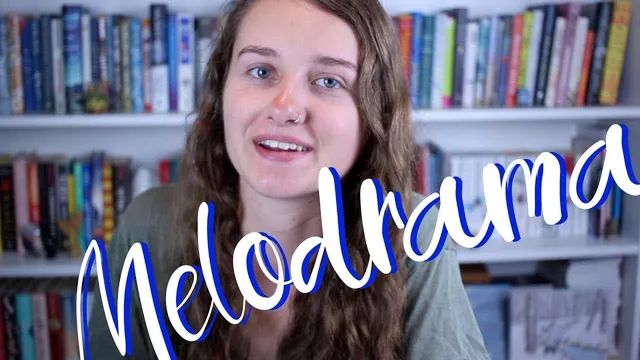
How to Avoid Melodrama In Your Writing | Writing Tips
Based on ShaelinWrites's video on YouTube. If you like this content, support the original creators by watching, liking and subscribing to their content.
Melodrama is unearned emotion: feelings come across as over-the-top when the story doesn’t support the intensity.
Briefing
Melodrama in writing shows up when emotions feel unearned—too intense for the story’s actual stakes, context, or craft—so the moment stops landing emotionally and starts reading as cringy or overdone. The core fix is less about “writing less emotion” and more about matching emotional expression to what the scene has earned, then calibrating that balance through revision.
A major reason new writers slip into melodrama is miscalibration: some fear their work will be bland, so they push emotion hard; others fear it will be too melodramatic, so they hold back and end up detached. The transcript’s practical counterpoint is to trust one’s ability to convey emotion with restraint—using a sentence, gesture, or specific detail rather than piling on explanation. In early drafts, the advice is to stop obsessing over the fine line between intense emotion and melodrama; drafting is for getting the story down, while editing is for tightening emotional texture and adjusting how much is shown versus told.
From there, the guidance becomes a checklist of common melodrama triggers. Overwrought language and “purple prose” can inject intensity that the scene hasn’t earned, often through loaded word choice. Certain thematic habits also raise the temperature: repeatedly tying feelings to “souls” (e.g., “anger bubbled in my soul”) can feel spiritual and lofty in a way that reads as melodramatic unless the soul concept is structurally required by the story’s system (magic, religion, etc.). “Pathetic fallacy” is flagged not only in its classic form (weather mirroring emotion) but also in excessive personification of nature that turns the world into a spiritual echo chamber.
Dialogue and narration can also tip into melodrama when characters say what they mean without subtext. Without what’s withheld, the writing loses subtlety and interpretive room, and the emotional “dark deep thing” arrives too directly. Clichés—especially familiar, line-level phrases—can similarly make emotion feel rehearsed rather than lived. Forced suspense is another culprit: ending chapters or scenes with heavy cliffhangers or explicit prompts like “keep reading” turns tension into a performance instead of a discovery.
The transcript also targets abstraction and symbolism. Talking at length about concepts like sadness, anger, or love can replace lived experience with commentary. Dreams are treated as a frequent melodrama shortcut: they often deliver symbolism in an obvious, extreme package rather than subtle emotional revelation. Even symbolism itself can become melodramatic when it’s too heavy-handed—especially when characters are overly aware and narrate what an object “represents,” turning metaphor into a spelled-out label.
Finally, melodrama can be amplified by plot mechanics and reaction intensity. “Abusing Murphy’s Law” means stacking random misfortunes that don’t serve the main plot, creating a sense that everything is bad for melodramatic effect rather than narrative necessity. Overly intense reactions—described with messy, heightened physicality—can also undermine credibility, so the advice is to match reaction intensity to the character and moment.
The closing emphasis is genre awareness: some genres (like YA romance) tolerate or expect more overt emotional expression than others (like literary fiction). Knowing what readers anticipate helps writers aim for the right emotional level—intense when the genre calls for it, restrained when the story demands it.
Cornell Notes
Melodrama happens when emotions aren’t earned by the story—so the writing feels over-the-top instead of impactful. A common cause is miscalibration: writers either over-push emotion out of fear of being bland or hold back too much out of fear of being melodramatic. Early drafts should prioritize getting the scene and emotion down; revision is where writers adjust the balance of showing vs. telling and the intensity of reactions. The transcript lists frequent melodrama triggers: purple prose, “souls” tied to feelings, excessive pathetic fallacy, no subtext, clichés, forced cliffhangers, abstract emotional commentary, heavy-handed symbolism (including dreams), random hardships, and reactions described with too much intensity. Genre expectations determine how overt emotion can be without reading as melodramatic.
What definition of melodrama does the transcript use, and how does that guide revision?
Why does the transcript say “trust yourself” matters for avoiding melodrama?
Which language and imagery choices are flagged as common melodrama sources?
How does subtext prevent melodrama, and when are exceptions allowed?
What’s the transcript’s critique of dreams and heavy-handed symbolism?
What plot and reaction patterns can push writing into melodrama?
Review Questions
- Which melodrama triggers from the transcript are most likely to appear in your own drafts: language (purple prose), subtext, clichés, abstraction, symbolism, or reaction intensity?
- How would you revise a scene that ends with an explicit cliffhanger prompt to keep suspense without telling the reader what to feel?
- What genre expectations would change your “allowed” level of overt emotion, and how would you check that before revising?
Key Points
- 1
Melodrama is unearned emotion: feelings come across as over-the-top when the story doesn’t support the intensity.
- 2
Trusting one’s ability to convey emotion with restraint helps prevent over-piling emotion out of fear of being bland.
- 3
Finish the draft first; use revision to calibrate showing vs. telling and to adjust emotional balance.
- 4
Watch for purple prose, loaded word choice, and emotionally intense language that outpaces the scene.
- 5
Avoid tying emotions to “souls” in an emotional context unless the story’s system makes that concept necessary.
- 6
Use subtext to preserve subtlety; direct, meaning-only dialogue often reads as melodramatic.
- 7
Reduce heavy-handed symbolism—especially when characters explicitly explain what metaphors “mean”—and be cautious with dreams as symbolism.
- 8
Keep plot hardships purposeful; random misfortunes that don’t serve the main plot can become an abuse of Murphy’s Law.
- 9
Match reaction intensity and description to the moment; believable grief can still read melodramatic if described with excessive, messy intensity.
- 10
Genre awareness matters: some genres expect more overt emotion than others, so “too much” depends on audience standards.