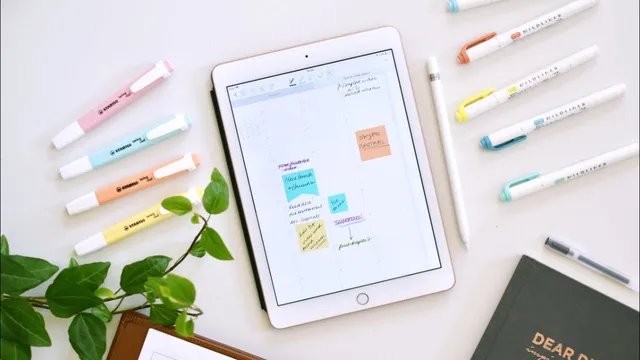
how to create your own class schedule for college
Based on Mariana Vieira's video on YouTube. If you like this content, support the original creators by watching, liking and subscribing to their content.
Use multiple color-coded calendars to separate personal appointments, class schedules, general tasks, and thesis work so conflicts are visible early.
Briefing
A practical system for building a college schedule hinges on one idea: block time on purpose, then protect it with realistic assumptions about how the student actually works. The schedule described here uses calendar “time boxing” across multiple categories—personal life, classes, tasks, and thesis work—so deadlines, leisure, and deep-focus study don’t blur together. The payoff is simple: fewer last-minute scrambles and more consistent preparation, because the calendar makes both work and downtime visible.
The method starts with choosing a calendar app and organizing separate calendars with color codes. One calendar handles personal appointments shared with another person, including doctor visits, errands, bills, and social plans. Another calendar tracks YouTube-related commitments. A third color is reserved for tasks tied to a master’s thesis, while additional calendars cover general scheduled and completed tasks. Finally, a class calendar is filled in first to visualize the student’s weekly structure—even if the actual timetable is still fictional at the start. That early visualization matters because it reveals how much time remains for everything else.
After entering regular classes, the student turns on the personal calendar to add real obligations and boundaries. Bills due that week get placed on the calendar, and an entire Sunday is blocked in a single large leisure block to prevent work creep. Lunch time is also scheduled so the student knows when they can be available for work. This approach treats rest as a scheduled commitment rather than an afterthought.
A core productivity strategy is “preparation instead of revision.” Instead of arriving to class without context and then trying to catch up at the end of the week, the student saves about an hour each day to prepare for the next day’s classes. With two classes per day, that becomes roughly two hours of preparation from the previous afternoon. Preparation includes setting up course materials, printing and annotating handouts, and reviewing what will be needed. The result is more productive classes and deeper understanding—especially for harder courses or during exam season.
To balance learning with review, the schedule also includes optional weekly revision sessions placed at the end of the class period (for example, Friday afternoon and Saturday morning). This keeps revision from stealing time that should go toward preparing upcoming lectures.
The plan also reserves dedicated blocks for workouts and for thesis research. Research is treated as a recurring requirement, with at least three intensive sessions scheduled from early September until more guidance arrives from a supervisor. The final guiding principle is honesty about energy levels: class preparation and revision are scheduled until 6:00 p.m. because evenings are treated as a low-productivity window. If evenings are the best time for focus, the advice flips—schedule deep work during peak hours and protect downtime during slower periods. The overarching message is to respect personal timing and rituals, then build the calendar around them.
Cornell Notes
The schedule-building approach centers on time blocking with realistic categories and color-coded calendars. Classes are supported by “preparation instead of revision,” with daily advance prep (about two hours when there are two classes per day) to make each class more productive. Leisure and personal obligations are also scheduled—like blocking an entire Sunday for downtime—so work doesn’t expand into free time. Weekly revision sessions are added at the end of the class period (e.g., Friday afternoon and Saturday morning) to avoid mixing review with upcoming preparation. Finally, the calendar is aligned to personal energy patterns, scheduling demanding work during the hours when focus is strongest.
How does the calendar structure reduce chaos when planning a full year of college commitments?
What does “preparation instead of revision” look like in practice?
Why schedule leisure and meals instead of leaving them open-ended?
How are weekly revision sessions handled without disrupting preparation time?
What’s the role of thesis research blocks in the schedule?
How does the schedule account for personal productivity rhythms?
Review Questions
- What specific calendar categories and color-coded calendars are used to separate personal life, classes, tasks, and thesis work?
- How does daily class preparation change the weekly workload compared with relying on end-of-week revision?
- What scheduling rule determines when class prep/revision happens, and how would you adapt it if evenings were your most productive time?
Key Points
- 1
Use multiple color-coded calendars to separate personal appointments, class schedules, general tasks, and thesis work so conflicts are visible early.
- 2
Block leisure time (including full days) to prevent work from expanding into downtime.
- 3
Adopt “preparation instead of revision” by preparing course materials the afternoon before class to make each session more effective.
- 4
Schedule weekly revision sessions at the end of the class period so review doesn’t steal time from next-day preparation.
- 5
Reserve dedicated blocks for workouts and thesis research, treating research as recurring and intensive during key phases.
- 6
Be honest about peak productivity hours and schedule demanding work during those windows while protecting low-productivity periods for rest.