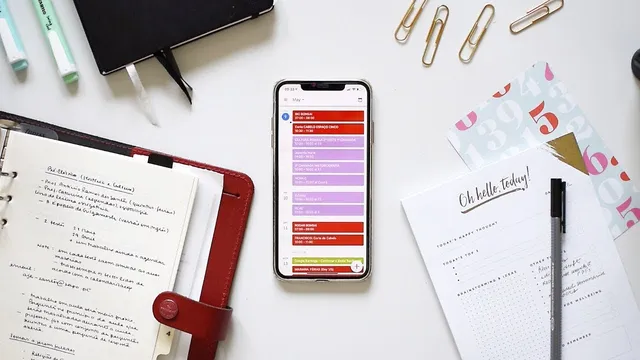
how to have a productive summer
Based on Mariana Vieira's video on YouTube. If you like this content, support the original creators by watching, liking and subscribing to their content.
Sort accumulated paperwork into trash and archive piles to regain control of bills and due dates.
Briefing
A productive summer isn’t about cramming—it’s about using the break to reset your systems so the next school year (or work cycle) starts with less stress. The core idea is to treat summer like a planning and organization window: clear out paperwork, build a reliable document setup, and adjust routines so September arrives with momentum rather than chaos.
Start by tackling the paperwork that accumulates during the year. Sorting documents into simple piles—trash for what’s no longer needed and an archive for what must be kept—creates immediate clarity around bills, due dates, and other obligations. Once the clutter is under control, shift to a “life binder” or “family binder,” a centralized place for important materials such as bills, financial and insurance information, a yearly budget, and receipts. Keeping items separated by category and easy to access is meant to reduce mental load. For people who don’t want physical binders or extra space at home, the same structure can be recreated digitally using a computer filing system.
Next, revisit the planning method currently in use. Summer is framed as the right time to evaluate whether a system matches personal habits and lifestyle—whether that means scaling back a heavy bullet journal routine, replacing an oversized planner, or adding more detail if phone-based planning isn’t enough for major projects. The goal is to research alternatives and deliberately choose a system that supports real follow-through.
Then, make the summer productive through a major project. The recommendation ranges from smaller bucket-list challenges (like reading a set number of books) to longer, more demanding goals such as writing a short novel, taking language lessons, or building fitness milestones like running a specific distance.
Finally, handle the “spring cleaning” tasks that slipped earlier, and use the last stretch of free time to declutter and reset the home. Go through seasonal items—clothes, last year’s textbooks, and old notes—and store them, sell them, or recycle them. Alongside that, rework routines one day at a time: reset sleep, experiment with healthier habits, and gradually incorporate new activities rather than overhauling everything at once. Close out the season by creating a back-to-work or back-to-school to-do list for September, from a simple shopping list to a detailed study plan with a table of contents, so the next busy period begins with a clear starting point.
Cornell Notes
Summer productivity centers on resetting systems before September. The plan starts with sorting accumulated paperwork into trash and archive piles, then organizing key financial and personal documents in a “life binder” (or a digital filing system). It also calls for auditing current planning tools to ensure they fit one’s lifestyle, replacing methods that feel like chores or don’t capture enough detail. To turn downtime into progress, it recommends taking on a major project—anything from reading goals to writing or language learning. The routine reset continues with decluttering, adjusting sleep and habits gradually, and ending with a back-to-work/back-to-school to-do list to reduce overwhelm when the next term begins.
Why begin with paperwork, and what sorting method is recommended?
What is a “life binder” (or “family binder”), and what should it contain?
How can someone achieve the same binder benefits without printing or using physical space?
What does it mean to “rethink your planning system,” and what kinds of changes might be needed?
What’s the purpose of doing a major project during summer?
What steps help reduce stress when September arrives?
Review Questions
- Which two piles should accumulated paperwork be sorted into, and how does that impact bill and due-date management?
- How would you decide whether to keep, simplify, or replace your current planning system? Give one example from the transcript’s scenarios.
- What elements should be included in a back-to-work/back-to-school to-do list, and why does the timing matter?
Key Points
- 1
Sort accumulated paperwork into trash and archive piles to regain control of bills and due dates.
- 2
Build a centralized “life binder” (or a digital filing system) for bills, budgets, insurance, and receipts, organized by category.
- 3
Audit current planning tools during summer to ensure they match personal habits and provide enough detail for major projects.
- 4
Choose at least one major summer project—short challenge or long-term goal—to turn downtime into measurable progress.
- 5
Use summer for decluttering and seasonal reset by storing, selling, or recycling last year’s items and notes.
- 6
Rework routines gradually, starting with sleep, and experiment with healthier habits one day at a time.
- 7
Create a back-to-work/back-to-school to-do list now so September begins with a clear plan instead of last-minute scrambling.