how to plan and manage your projects efficiently
Based on Mariana Vieira's video on YouTube. If you like this content, support the original creators by watching, liking and subscribing to their content.
Use a structured project system that stores goals, tasks, timelines, and decision history instead of relying on a basic to-do list.
Briefing
Efficient project management hinges on replacing a fragile to-do list with a structured system that can store the right information, track progress, and adapt when reality changes. A project is a long-term goal made of many smaller tasks, so the number of moving parts quickly overwhelms simple checklists. The practical fix is a workflow that clearly captures goals, breaks work into defined tasks, manages deadlines, and stays adjustable—so teams can collaborate without losing context or creating chaos.
The foundation starts with goal-setting that’s specific and operational. Goals and objectives should be measurable and time-bound, and the plan should make deliverables, costs, timeframes, resources, and stakeholders easy to identify. Early on, expectations also need to be set at a useful level of detail: what “quality” means, which assignments must be completed by when, and what tools and data everyone will need to touch. That clarity prevents misunderstandings later and gives the team a shared definition of success.
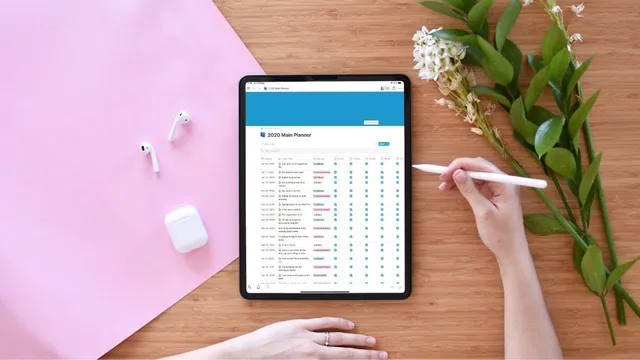
From there, tasks must be defined and decomposed as far as possible. Each task should include completion details, and progress should be tracked in a way that supports long-term work—often using a table that records status alongside key fields like dates and other relevant information. A timeline then assigns deadlines to tasks, improving accountability and making it easier to see the whole project at a glance. Just as important, the timeline must be adjustable so the plan can absorb unforeseen problems without turning every change into a new mess.
Adjustments should be documented, not improvised. When the project shifts, the team needs to know what changed and save those updates so accountability remains intact and major decisions are recorded. Delegation depends on this same discipline: tasks should be assigned clearly, and the organization of tools and data should make it easy to move between responsibilities and sub-projects without losing track of where information lives.
Finally, periodic review is presented as a safeguard against late surprises. Regular check-ins help surface problems early, when they’re cheaper and easier to fix. That review becomes practical when data is shareable and linked—adding files, notes, and connecting tasks so everything stays associated in a reliable way. A dashboard can consolidate the most relevant signals, such as timeline status, task completion rates, and the project calendar.
For implementation, the transcript points to Notion as an all-in-one workspace for individuals and teams. Notion is positioned as a customizable system where teams can manage projects, share and edit documents, and maintain wikis for ongoing information—especially relevant for remote work. It also offers templates for teams, supports collaboration across varied projects (from writing to planning and design), and can be tried free before upgrading to the Teams plan.
Cornell Notes
Efficient project management replaces a basic to-do list with a system that captures goals, tasks, timelines, and change history in one place. Goals should be specific, measurable, time-bound, and tied to deliverables, costs, resources, and stakeholders. Work should be broken into detailed tasks tracked in a table, scheduled on an adjustable timeline with deadlines for accountability, and updated as setbacks occur—with changes recorded for accountability. Delegation works best when tools and data are organized so team members can switch between tasks without losing context. Regular reviews and linked, shareable information help catch problems early; dashboards can summarize timeline, task status, and completion rates. Notion is suggested as a customizable platform to implement this workflow for individuals and teams.
Why does a standard to-do list fail for most projects, and what replaces it?
What does “smart” goal-setting require in practice?
How should tasks and progress be organized for long-term work?
What makes a timeline effective, and how should teams handle changes?
What role do delegation and periodic review play in keeping projects on track?
How does Notion fit into this project-management approach?
Review Questions
- What specific elements should be included when defining project goals and expectations early in the process?
- Describe a workflow for handling timeline changes while maintaining accountability and an organized record of decisions.
- How do linked, shareable data and dashboards improve the effectiveness of periodic project reviews?
Key Points
- 1
Use a structured project system that stores goals, tasks, timelines, and decision history instead of relying on a basic to-do list.
- 2
Define goals as specific, measurable, assignable, relevant, and timely, and tie them to deliverables, costs, timeframes, resources, and stakeholders.
- 3
Break work into detailed tasks early, and track progress in a table that includes status plus key fields like dates and relevant details.
- 4
Assign deadlines through an adjustable timeline, and document what changes when the plan shifts due to setbacks.
- 5
Delegate with clarity and keep tools and data organized so team members can move between tasks without losing context.
- 6
Schedule periodic reviews to surface problems early, supported by linked notes/files and shareable information.
- 7
Use a dashboard to consolidate key metrics such as timeline, task status, calendar, and completion rate.