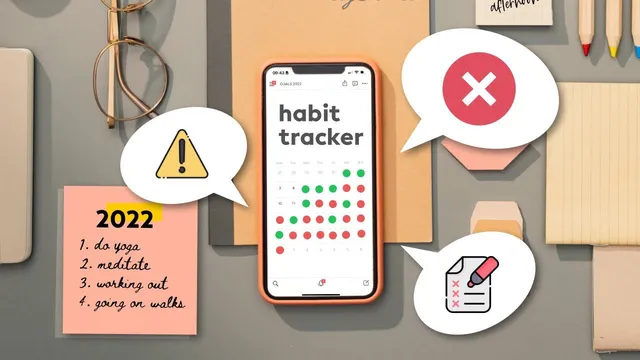
How to Stick to your Resolutions
Based on Mariana Vieira's video on YouTube. If you like this content, support the original creators by watching, liking and subscribing to their content.
January is a high-friction month for starting new habits, so early setbacks shouldn’t be treated as personal failure.
Briefing
New Year’s resolutions often fail not because people lack willpower, but because January stacks the deck against change—cold weather, post-holiday financial strain, and the emotional hangover of December. The month’s “fresh start” mythology can turn normal setbacks into proof of personal inadequacy, especially when routines like early workouts or strict sugar bans collide with real life. A more practical approach treats January as a time to regroup and organize rather than a deadline-driven test of character.
Instead of judging capability by how quickly habits collapse in the first week, the guidance is to reframe what success looks like. Many people build resolutions around rigid daily routines and number targets, then feel defeated when they miss a day or don’t reach the year-end total. The alternative is to celebrate “smile milestones” along the way—progress that matters even when the habit tracker doesn’t show perfect streaks—and to define goals in terms of consistent effort rather than flawless outcomes. For example, a journaling goal doesn’t have to mean finishing a whole notebook; it can mean journaling for a set amount of time each day. Likewise, a “30 books” target can translate into reading for 30 minutes daily, regardless of whether the final count lands exactly on the number.
Time management also needs a rethink. Not every goal has to run for all 365 days. Breaking the year into chunks—semesters, trimesters, or three-month blocks—lets people focus on one resolution at a time and adjust after the initial habit period. The plan can be flexible: build a workout routine for a three-month “health” phase, then shift the emphasis toward creative work while keeping a lighter, sustainable version of the fitness habit. This reduces the pressure of cramming multiple major changes into an already packed schedule.
The biggest psychological lever is managing expectations. The transcript argues that demanding daily perfection across every life domain is unrealistic for most people juggling full-time work, family responsibilities, education, side hustles, pets, and personal care. Treating missed days as “not counting” sets people up for burnout and breakdown. A healthier strategy is to slow down, step back, and create smaller milestones that feel genuinely rewarding. That includes ditching the habit tracker if it fuels self-criticism, celebrating small wins, and focusing on the systems built during the journey—not just the end result.
Finally, the message ties personal growth to sustainable learning habits: pairing documentary-style education with curated, thought-provoking content can keep momentum without adding more pressure. The recommended bundle combines Curiosity Stream and Nebula, positioning it as an ad-free, sponsor-free way to add educational value while resolutions are being rebuilt more realistically.
Cornell Notes
January is a poor “starting gun” for resolutions because it’s physically and emotionally harder than it looks—cold weather, post-holiday strain, and workplace deadlines make early failures feel personal. The fix is to stop using January (or a perfect streak) as a verdict on capability. Success should be reframed from “zero gaps” and year-end numbers to consistent effort and small milestones—like journaling for a set time daily instead of finishing an entire notebook. Goals also don’t need to span the whole year; they can be run in focused three-month blocks, then adjusted. Finally, unrealistic expectations should be replaced with smaller, rewarding milestones to avoid burnout.
Why does January create an unusually high risk of resolution failure?
How should success be redefined when resolutions rely on streaks and numbers?
What does “rethink your concept of time” mean in practice?
Why are unrealistic expectations framed as a burnout trigger?
What concrete steps help someone get back on track when resolutions are slipping?
Review Questions
- What specific changes to goal-setting reduce the pressure of “perfect streaks” in the transcript?
- How would you redesign one of your current resolutions using three-month blocks and a sustainable baseline habit?
- Which expectation in the transcript is most likely to lead to burnout, and what alternative mindset replaces it?
Key Points
- 1
January is a high-friction month for starting new habits, so early setbacks shouldn’t be treated as personal failure.
- 2
Redefine success away from perfect streaks and year-end totals toward consistent effort and small “milestones.”
- 3
Convert big numeric goals into daily time-based actions (e.g., minutes per day) that still build progress even if the final number shifts.
- 4
Break the year into focused chunks like three-month blocks so one resolution gets attention before switching.
- 5
Keep habits sustainable by shifting emphasis rather than abandoning everything at once (e.g., maintain a lighter workout while changing focus).
- 6
Replace “it doesn’t count unless it’s daily” thinking with realistic expectations to prevent burnout.
- 7
When resolutions stall, slow down, create smaller milestones, and celebrate progress; remove tools that intensify self-criticism.