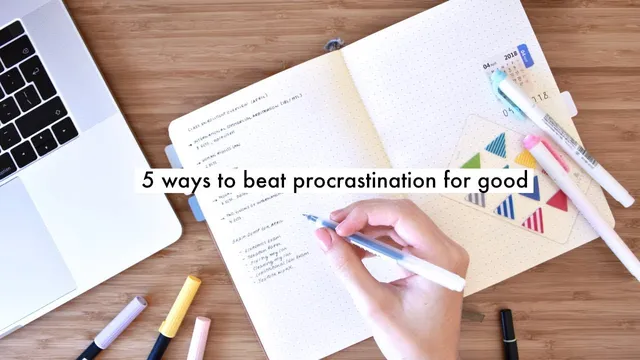
HOW TO STOP PROCRASTINATING FOREVER » 5 productivity tips
Based on Mariana Vieira's video on YouTube. If you like this content, support the original creators by watching, liking and subscribing to their content.
Identify a personal “natural trigger” by tracking what changes during your most productive days, then use it immediately when focus drops.
Briefing
Procrastination often isn’t a lack of willpower—it’s a lack of momentum. A practical five-step routine targets the moment someone feels stuck, then rebuilds productivity through triggers, clarity, and quick wins.
The first move is to identify a “natural trigger”: a habit, behavior, or environmental factor that reliably flips a person into a focused, productive state. Instead of guessing, the method asks people to look for patterns during their most productive sessions—what was different on those days, what changed in routine, or what new habit was present. Tracking productivity by day helps surface small, repeatable inputs. The transcript gives concrete examples: a quick shower or working out. When attention starts to slip, either action is used to regain focus, even if it temporarily interrupts studying. The logic is that stepping back briefly can restore forward progress.
Next comes “brain dump more,” aimed at removing the paralysis that comes from not knowing where to start. The routine is to put worries, tasks, anxieties, and deadlines onto paper or a note-taking app—without worrying about order. The list can include minor errands like paying a phone bill or ordering groceries. Once everything is visible, the mind stops holding the problem in the abstract, and action becomes more likely.
That visibility is reinforced with checklists and to-do lists. After the brain dump, tasks can be organized by day or week, or combined into one list with a checkbox next to every item. Checking boxes creates a steady stream of completion signals: each tick means something is being done, which gradually replaces the feeling of “I don’t want to do anything” with the reality of progress.
To accelerate momentum further, the fourth tip recommends starting with small, menial tasks first and moving toward more complex work. For procrastinators, this approach can generate rapid wins—many five-minute tasks completed within an hour—creating a sense of movement even before tackling harder items.
Finally, the routine helps prevent slumps by alternating between physical and intellectual tasks. The transcript describes switching between household chores (like cleaning, vacuuming, or meal prepping) and school work. Because these activities require different mental modes, the short switch acts as a “pause” that still counts as progress on the to-do list.
Taken together, the system is designed to be reusable: when motivation drops, find the trigger, unload the mental clutter, convert it into checkable tasks, knock out easy wins, and alternate task types to keep energy stable. A sponsored segment promotes Skillshare as an online learning community for self-improvement, offering a premium membership with an introductory deal for early clickers.
Cornell Notes
The routine treats procrastination as a momentum problem and offers five tactics to restart productivity when motivation drops. It begins by finding a personal “natural trigger” (like a quick shower or workout) that reliably restores focus, then uses a brain dump to move worries and deadlines from the head onto paper or an app. A to-do list with checkboxes turns that dump into visible progress, while starting with small, menial tasks first builds quick wins. To avoid energy crashes, it recommends alternating physical and intellectual work so the mind gets short, purposeful breaks without falling behind.
How can someone discover a personal “natural trigger” for productivity instead of relying on guesswork?
Why does a “brain dump” reduce procrastination, and what should it include?
What role do checklists play after a brain dump?
Why start with small, menial tasks first when procrastination is the problem?
How does alternating physical and intellectual tasks help prevent slumps?
Review Questions
- What specific pattern-finding process would you use to identify your own natural trigger, and what actions might you test first?
- After a brain dump, how would you structure your to-do list (single list vs. day/week breakdown) to maximize the effect of checkboxes?
- Which task type would you alternate first—physical or intellectual—and what short transition rule would you follow to avoid losing momentum?
Key Points
- 1
Identify a personal “natural trigger” by tracking what changes during your most productive days, then use it immediately when focus drops.
- 2
Do a brain dump to transfer worries, tasks, and deadlines from your head to paper or a note app so you can see where to start.
- 3
Turn the brain dump into a checklist with checkboxes to generate frequent completion signals and reduce the feeling of being stuck.
- 4
Start with small, menial tasks first and work toward more complex items to build quick wins and momentum.
- 5
Alternate physical and intellectual tasks to prevent slumps while still checking items off a to-do list.
- 6
Use the full process as a repeatable routine whenever motivation dips rather than treating it as a one-time fix.