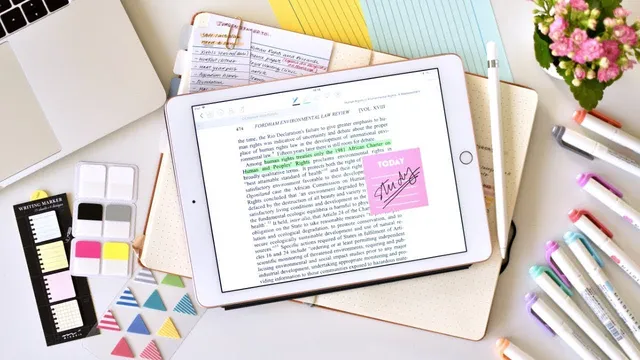
how to study smarter, not harder.
Based on Mariana Vieira's video on YouTube. If you like this content, support the original creators by watching, liking and subscribing to their content.
Maximize focus and participation during class to reduce the amount of home studying needed later.
Briefing
Cut study time by focusing on what happens during class and using active, structured methods at home—especially avoiding multitasking and note-rewriting that turns into busywork. A law school professor’s claim sets the tone: giving “110%” during class can cut the time spent studying at home by about 70%. The core logic is straightforward—class is where high-quality understanding and retention are built, so better in-class comprehension reduces the need to reread textbooks repeatedly later.
From there, the advice shifts to specific habits that make study sessions more efficient. Multitasking is framed as a productivity trap: switching attention between two tasks creates mental “re-centering” costs, so even if two assignments seem to be handled at once, the total time often expands. Instead, time should be treated as a set of focused blocks—if two tasks must be done in two hours, concentrating on one at a time forces clearer pacing and typically improves results.
A major target is the way students process notes. Rewriting notes word-for-word is described as a common misconception that steals time from more useful activities like practicing problems, preparing lectures, or building better study materials. The alternative is mind mapping: transforming messy class notes into visual connections between concepts. This still involves rewriting, but it shifts from mechanical transcription to synthesis—linking today’s topics to earlier ones and creating a structure that supports later review.
For exam preparation, the transcript recommends “answer guides” rather than pure theory memorization. Students should anticipate likely questions by using textbooks, previous exams, and practice papers to generate mock prompts. Working through these timed exercises during the semester, then consulting materials to identify what a professor values, helps build a repeatable answer structure: core theory, relevant examples, and secondary details that can add depth. Those guides can then be converted into flashcards that emphasize frameworks over memorizing exact sentences.
Another high-impact method is studying out loud. Even though it can feel awkward, explaining material as if to an audience forces simplification and organization, revealing gaps and creating new connections. The payoff is retention: mock presentations tend to stick for days or weeks, especially when prepared with a clear outline.
Finally, the transcript stresses planning ahead. Early in the year, students should break the syllabus into chapters and subchapters, then schedule study sessions so the semester’s workload is visible and manageable. Following the plan reduces last-minute stress and frees remaining calendar time for other activities.
The message ties together: study smarter means maximizing learning during class, then using active recall, structured practice, and time-blocked focus at home—so students spend less time rereading and more time producing materials and answers they can actually use on exams. The transcript also includes a sponsorship for Skillshare, offering access to classes in design and productivity, plus a free PDF and ongoing study content via Instagram and a weekly blog post.
Cornell Notes
The transcript argues that students can cut home study time by improving learning during class and using more active, structured study methods afterward. High in-class focus and note-taking quality reduce the need for repeated textbook rereading later. It warns against multitasking because attention switching slows work and creates hidden time costs. Instead of rewriting notes mechanically, it recommends mind maps to build visual links between concepts. For exams, it promotes timed “answer guides” built from past papers and practice prompts, plus studying out loud to strengthen understanding and memory. Planning the semester with a chapter-by-chapter schedule helps students stay on track and avoid end-of-term stress.
How does maximizing learning during class reduce the amount of studying needed at home?
Why is multitasking framed as inefficient even when it feels like progress?
What’s the alternative to rewriting notes, and what does it improve?
What are “answer guides,” and how do they change exam preparation?
Why does studying out loud help memory and understanding?
How does planning ahead prevent last-minute cramming?
Review Questions
- Which two habits most directly reduce the need for rereading textbooks at home, and how do they do it?
- How would you design an “answer guide” for a class using only textbooks and past exams?
- What’s the difference between mind mapping and rewriting notes, and what study outcome does each method support?
Key Points
- 1
Maximize focus and participation during class to reduce the amount of home studying needed later.
- 2
Avoid multitasking; time-block one task at a time to prevent attention-switching delays.
- 3
Replace mechanical note rewriting with mind maps to build visual connections between concepts.
- 4
Prepare for exams by generating timed mock questions and building structured answer guides.
- 5
Convert answer guides into flashcards that emphasize frameworks (theory, examples, secondary details) rather than memorizing sentences.
- 6
Study out loud to force simplification, reveal gaps, and strengthen long-term recall.
- 7
Plan the semester early by breaking topics into subchapters and scheduling study sessions to stay ahead of deadlines.