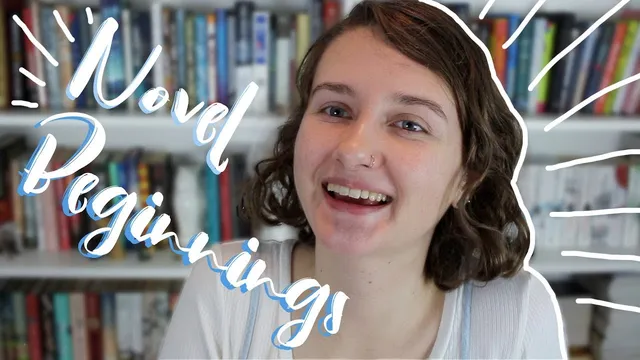
How to Write a Strong Novel Opening | Writing Tips
Based on ShaelinWrites's video on YouTube. If you like this content, support the original creators by watching, liking and subscribing to their content.
Treat the first chapter like an efficient, open-ended short story: reveal character and context quickly without heavy exposition.
Briefing
A strong novel opening is less about delivering background and more about making an immediate, specific promise: keep readers engaged with something vivid, active, and tonally accurate—then earn their trust before the inciting incident. The core challenge is efficiency. Short fiction writers learn to reveal what matters about a character quickly; that same principle can shape a novel’s first chapter, treating it like an “open-ended short story” that shows character and context without bogging the reader down in exposition.
One of the clearest warnings: don’t open with the mundane. Everyday routines—brushing teeth, commuting, eating breakfast—are familiar to readers and don’t create momentum. Status quo can be established, but only through the parts that are inherently interesting or revealing. A character waking up in an abandoned warehouse in a dystopian wasteland can make “normal” actions feel newly charged because the situation itself is unusual. Backstory also needs timing. Hints and small “flirtations” with the past can work early, but dumping large amounts of history too soon often fails because readers don’t yet have stakes in the present. Those stakes typically arrive with the inciting incident, after which flashback becomes more meaningful.
Vividness and immediacy do the heavy lifting. Prioritize visuals—show faces, movement, and the world’s texture—so the opening feels alive rather than explanatory. Voice is another major hook and a reliable tool for characterization even when there’s no room for backstory. A distinctive narrative voice can pull readers in on its own, making them curious about the character before they know anything about the plot.
That curiosity depends on keeping promises. Openings should “flirt” with readers by setting expectations for tone, emotional texture, and atmosphere, without misleading them. A cute fluffy romance that begins with brutal zombie slaughter would create an incongruous contract: readers would wonder why the book started in one genre and delivered another. Even when the opening is intentionally drastic or satirical, the mismatch must be purposeful.
Action and specificity further strengthen the hook. Static characters are harder to watch; getting the protagonist moving early helps signal that they’ll be active and worth following. At the same time, the opening shouldn’t overwhelm the reader by introducing every subplot and character before the main plot has momentum. Once the story is rolling—often after the inciting incident—more complexity can be layered in.
Finally, the opening line matters. A first sentence can rescue a slower start by injecting tension or conflict. Examples include Celeste Ng’s “Lydia is dead,” which makes an otherwise routine family morning feel loaded with dread, and Han Kang’s “My wife turned vegetarian,” which compresses conflict, characters, and inciting change into a single line. Other strong approaches include starting at an especially intriguing point on the timeline (as in “The Girls” excerpt) or using striking, weird declarations that later reveal their meaning (as in Ali Smith’s “God was dead…” sequence). The throughline: be weird, specific, and original enough that readers feel they’re entering a world they haven’t seen before—and keep them reading by delivering on the emotional and tonal contract the opening makes.
Cornell Notes
A novel opening works best when it functions like an efficient, open-ended short story: reveal character and context quickly, without dumping routine details or excessive backstory. Readers should feel immediate momentum through vivid visuals and an active protagonist, while the narrative voice provides a strong hook even before plot stakes arrive. The opening must also “make promises” about tone and content—flirting with readers through intrigue, but avoiding misleading genre or emotional expectations. To keep attention, avoid overwhelming the reader with too many subplots early and use specificity or controlled weirdness instead of clichés. A powerful first line can turn an otherwise mundane scene into something tense, conflict-filled, and irresistible to continue.
Why does treating the first chapter like an open-ended short story help with novel openings?
What’s wrong with starting a novel with everyday routines, and how can “status quo” still work?
When should backstory appear in a novel opening?
How do voice and visuals work together to hook readers before the plot fully kicks in?
What does it mean to “make the right promises” in an opening?
How can a writer avoid overwhelming readers while still introducing complexity?
Review Questions
- What specific techniques can replace mundane routines in an opening while still establishing status quo?
- How should an author decide whether to hint at backstory or hold it until after the inciting incident?
- Pick one example opening line mentioned (Celeste Ng or Han Kang). What elements of conflict and character does it compress into a single sentence?
Key Points
- 1
Treat the first chapter like an efficient, open-ended short story: reveal character and context quickly without heavy exposition.
- 2
Avoid mundane routine details unless the character’s situation makes them newly distinctive and revealing.
- 3
Use backstory as a light hint early; delay major backstory until present-day stakes exist, usually after the inciting incident.
- 4
Prioritize visuals and movement so the world feels vivid and the protagonist signals early agency.
- 5
Develop a distinctive narrative voice; voice can hook readers even before plot stakes arrive.
- 6
Make tone and content promises the rest of the book can keep; don’t set up one emotional contract and deliver another.
- 7
Keep early scenes focused—introduce subplots and extra characters after momentum starts, and use specificity or controlled weirdness instead of clichés.