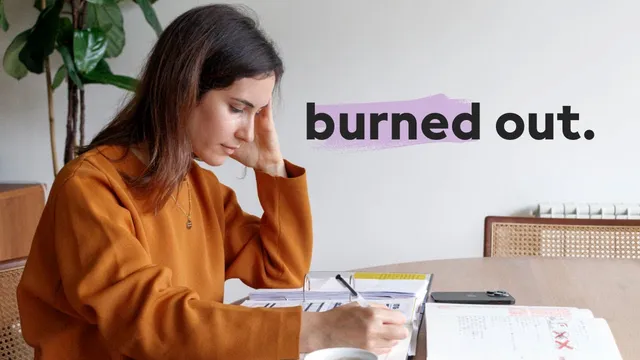
I Burned Out. Here’s What I Learned.
Based on Mariana Vieira's video on YouTube. If you like this content, support the original creators by watching, liking and subscribing to their content.
Burnout can be mistaken for stress, but it’s longer-term and more destructive, making early recognition essential.
Briefing
A year of survival and creative pressure culminated in burnout—followed by a pivot toward “sustainable productivity” in 2024. After 2023 brought a postpartum period, inflation and higher mortgage rates, a major drop in YouTube performance, and a steady drain on mental health, she hit a point where even work tasks and basic responsibilities felt unbearable. The key takeaway isn’t a new trick for getting more done; it’s a framework for recognizing burnout early—because pushing through “stress” can quietly turn destructive.
In 2022, she had already reviewed burnout symptoms and checked them against what she was feeling. In 2023, she ran the same self-audit and found even more warning signs. Emotionally, burnout showed up as failure and self-doubt, helplessness and feeling trapped, detachment and loneliness, a loss of motivation, cynicism, and a reduced sense of accomplishment. Physically, it looked like chronic fatigue and drained energy, appetite changes—she described eating without pleasure, mainly to stop hunger—and frequent illnesses with a recurring pattern of feeling better for a short stretch before getting worse again.
Behaviorally, the red flags were especially telling because they contradicted her usual personality. She withdrew from responsibilities, wanted to “drop everything,” and preferred isolation—reading and avoiding work rather than engaging with her business and obligations. She also isolated socially, despite working from home, and she began procrastinating in ways she treats as a symptom rather than a character flaw. When procrastination appears, she believes it often signals something wrong in life, not laziness. Other behavioral signs included taking out frustrations on others, skipping work or arriving late and leaving early (in her case, tied to YouTube production), and a growing urge to finish tasks quickly just to stop thinking about them.
She also draws a distinction that matters for how people interpret their own workload: burnout gets mistaken for stress. Stress can be framed as a badge of success—more work means more achievement—but burnout is longer-term and more corrosive, “eating you up from the inside.” That difference is why early recognition and self-care are crucial.
Her response in 2024 is structured around four goals: slow down and enjoy what’s already in place; reduce expectations and stop fixating on views and subscriber counts; reconnect with creativity through hobbies like piano, painting, and especially writing fiction; and finally complete a personal project she started in 2014 and abandoned when it didn’t generate money. The message lands on a practical promise: sustainable productivity should feel energizing, not joyless—and if burnout red flags appear, success metrics may need to take a back seat to recovery and creative renewal.
Cornell Notes
After a difficult 2023 marked by postpartum challenges, business and career strain, and a sharp drop in YouTube performance, burnout became unmistakable. She identifies burnout through three categories of symptoms—emotional, physical, and behavioral—and emphasizes that burnout is more destructive than ordinary stress. Emotional signs included self-doubt, feeling trapped, detachment, loneliness, and a cynical outlook; physical signs included fatigue, appetite changes, and frequent illness; behavioral signs included withdrawing from responsibilities, social isolation, procrastination, irritability toward others, and skipping or rushing work. She argues that sustainable productivity should feel motivating, and she sets 2024 goals focused on slowing down, lowering success pressure, and rebuilding creativity and long-delayed personal projects.
How does she differentiate burnout from regular stress, and why does that distinction matter?
What emotional symptoms did she list as burnout red flags?
What physical changes signaled burnout for her?
Which behavioral signs were most unusual for her—and why are they important?
What does she mean by “sustainable productivity,” and how does it shape her 2024 goals?
Review Questions
- Which emotional, physical, and behavioral symptoms would you use as your own early-warning checklist for burnout?
- Why might procrastination be a misleading label, and what alternative explanation does she offer?
- How do her 2024 goals (slowing down, reducing success pressure, and returning to creativity) function as a response to burnout rather than a generic productivity plan?
Key Points
- 1
Burnout can be mistaken for stress, but it’s longer-term and more destructive, making early recognition essential.
- 2
Her burnout checklist groups warning signs into emotional, physical, and behavioral categories.
- 3
Emotional red flags included self-doubt, feeling trapped, detachment and loneliness, loss of motivation, cynicism, and reduced accomplishment.
- 4
Physical red flags included chronic fatigue, appetite changes (eating without pleasure), and frequent illness with recurring cycles.
- 5
Behavioral red flags included withdrawing from responsibilities, social isolation, procrastination framed as a symptom, irritability toward others, and skipping or rushing work.
- 6
She argues sustainable productivity should feel energizing; when burnout hits, work becomes joyless and enthusiasm disappears.
- 7
Her 2024 strategy centers on slowing down, lowering expectations about success metrics, and rebuilding creativity and long-delayed personal goals.