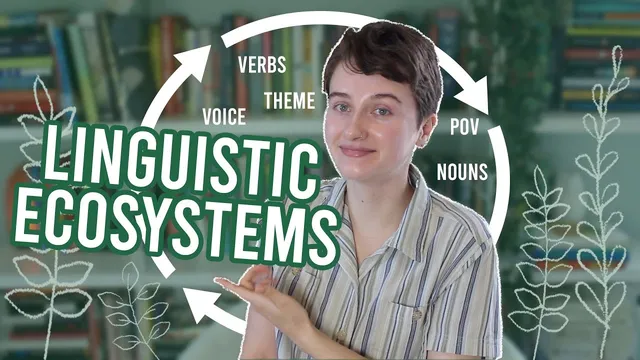
LINGUISTIC ECOSYSTEMS🌿 writing technique to improve voice, atmosphere, theme, & more!
Based on ShaelinWrites's video on YouTube. If you like this content, support the original creators by watching, liking and subscribing to their content.
Treat word choice as a system: define a story’s “linguistic ecosystem” and keep diction within its range.
Briefing
“Linguistic ecosystems” are a writing technique for building consistent atmosphere, character voice, and thematic cohesion through tightly matched diction. The core idea is that every story has a specific “range and type of words” that can thrive within its world—just like plants and animals flourish only in certain real ecosystems. When word choice fits the story’s setting, character, tone, and themes, readers feel immersed; when it doesn’t, a single incongruous word can yank them out of the experience.
Linguistic ecosystems also function as a unity-of-form-and-concept tool: the way a story is told (form) should align with who it’s about and what it means (concept). That alignment shows up in multiple craft outcomes—more immersive point of view, stronger character psychology, richer emotional texture, and even direct thematic work. The technique isn’t only about picking the “right” words; it’s equally about excluding words that don’t belong. The result is a more coherent voice and a more deliberate emotional and thematic undercurrent.
Several story elements set the limits of what diction can “survive.” Setting is the most obvious constraint because it dictates what imagery exists and therefore what vocabulary feels natural. Protagonist or narrator matters next: a character’s background knowledge, interests, emotional state, personality, and beliefs shape what they would notice and how they would describe it. Tone then adjusts the intensity of language—surreal or absurd tones tend to invite more extreme wording, while soft or melancholic tones favor gentler, subdued phrasing. Atmosphere ties the ecosystem to mood, aesthetic, and the sensory “feel and sound” of words, including their emotional connotations.
Themes, symbols, and motifs can be patterned through diction so they run beneath the plot rather than sitting on top of it. Genre adds another major boundary: cyberpunk science fiction demands a different linguistic ecosystem than a Victorian family drama or a contemporary rom-com, because each genre carries its own default vocabulary and emotional register.
Implementation focuses on how words sound and feel in addition to what they mean. A cohesive ecosystem often emerges as a braid of multiple threads—setting vocabulary, character-specific knowledge, thematic motifs—held together by unifying cohesion rather than one single source. Scope also matters: limited POVs restrict what a narrator can plausibly know, so some words simply won’t fit. Even poetic devices like similes and metaphors must match the ecosystem’s imagery and logic.
The technique can shift slightly across characters or situations when someone is “outside” the ecosystem—such as a city businesswoman entering a rural farming town—while still staying within what that character could reasonably understand. In practice, not every word carries equal weight: pronouns, conjunctions, prepositions, and articles are mostly invisible, while nouns, verbs, adjectives, and adverbs do the heavy lifting. Nouns and verbs are especially important for creating the story’s distinctive vibe.
To make the concept concrete, the transcript walks through three personal examples. “Hold Me Under Till I See the Light” is built around soft, washed-out, religious and bodily imagery—words like “blonde grass,” “dandelion,” “Chapel,” “soap,” “lavender,” and “repentance” create gentle, floaty s-sounds and a fragile atmosphere. “How to Slaughter” leans earthy and tactile, using animal- and rural-environment vocabulary—“turkey vultures,” “rye grass,” “rust,” “mold,” “shotgun,” and “antler”—to reflect a young, grounded perspective with violence and youthfulness. A third short piece uses intense, scientific, metal- and movement-heavy diction—“industrial,” “tungsten,” “neon,” “cauterize,” “oxidized,” “forensic,” “electron”—to produce a fast, dark, neon-blurry intensity that feels cerebral and self-attentive.
Overall, linguistic ecosystems offer a structured way to make word choice do more than decorate: it becomes the mechanism for voice, immersion, emotional texture, and thematic integration—especially powerful for short stories where distinct atmosphere needs to land quickly.
Cornell Notes
Linguistic ecosystems are a writing method for choosing diction that “fits” a story’s world—so the right words flourish and the wrong ones don’t. The technique aligns form and concept by making word choice reinforce setting, narrator/protagonist knowledge, tone, atmosphere, themes, and genre. When diction matches these constraints, it deepens immersion, strengthens character voice and psychology, and can carry thematic work through recurring vocabulary and imagery. Implementation emphasizes not just meaning but also the sound and feel of words, plus scope limits from POV. Nouns and verbs do the most work; smaller function words are mostly invisible. Examples show how different ecosystems create distinct vibes: soft religious fragility, earthy rural grit, and intense scientific/cyberpunk-like urgency.
What does “linguistic ecosystem” mean in practical writing terms?
Which story elements set the boundaries for diction?
How does word choice create atmosphere beyond literal meaning?
Why do nouns and verbs matter more than function words in this framework?
How can a writer handle characters or situations that are “outside” the ecosystem?
What do the three examples illustrate about ecosystem design?
Review Questions
- If a single word feels out of place in a scene, what does the linguistic ecosystem framework suggest you should check first?
- Pick a setting and narrator type. Which three constraints (setting, tone, POV scope, themes, or genre) would most likely determine your diction?
- How would you decide between two synonyms using this method—what should you listen for besides meaning?
Key Points
- 1
Treat word choice as a system: define a story’s “linguistic ecosystem” and keep diction within its range.
- 2
Use unity of form and concept by aligning how the story is told with its characters, themes, and worldview.
- 3
Build immersion by excluding incongruous words that feel unnatural for the setting, narrator, or tone.
- 4
Let setting, POV/narrator knowledge, tone, atmosphere, themes, symbols, motifs, and genre set the diction boundaries.
- 5
Prioritize the sound and feel of words (not just definitions) to reinforce mood and emotional texture.
- 6
Pattern themes and motifs through recurring vocabulary and related imagery so they run underneath the plot.
- 7
Focus load-bearing word classes—especially nouns and verbs—while recognizing function words are mostly invisible.