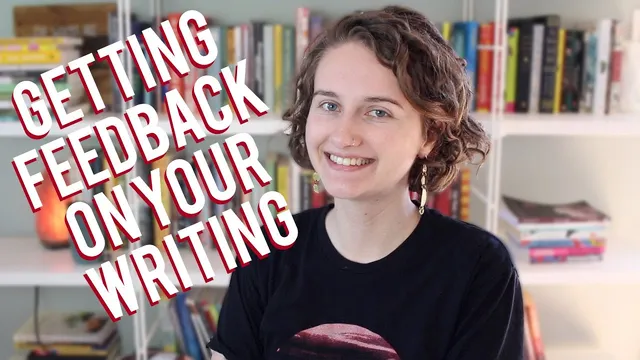
Managing Critique on Your Work & Implementing Feedback | Writing Tips
Based on ShaelinWrites's video on YouTube. If you like this content, support the original creators by watching, liking and subscribing to their content.
Treat feedback as a draft-specific improvement process, not a measure of personal worth or long-term capability.
Briefing
Criticism gets easier when it’s treated as a skill and a process—not a verdict on a writer’s worth. The core message is that feedback targets a specific draft, not a person, and the emotional weight drops with repeated exposure in environments where critique is delivered respectfully. Jan Lin frames taking notes as practice: separating “my value” from “this version of my work,” remembering that even admired writers receive criticism, and choosing mindsets that keep feedback from turning into self-judgment.
A major practical takeaway is to seek feedback from people whose opinions feel safe and credible to the writer. Lin argues that the setting matters as much as the content: critique from trusted readers or workshop leaders who respect the author tends to produce motivation, even when the notes are harsh. By contrast, feedback that feels disrespectful can lead writers to reject everything or spiral into believing they’re “bad at writing.” Her anecdotes contrast two experiences: beta readers who didn’t seem to respect her left her feeling awful, while her first school writing workshop—despite receiving plenty of criticism—left her excited because the critique was clearly meant to help.
Lin also draws a bright line between critique and rudeness. If comments are crude, condescending, or invalidating, writers don’t have to tolerate them. In one university example, she received edits that were written in an openly mean style (including all-caps emphasis and underlined phrasing meant to mock clarity). After escalating the issue to a professor, the professor agreed the comments crossed a line and even used the marked pages as a teaching example for other students. The point: hurt can happen even when the underlying critique is “out of line,” and writers still deserve respectful engagement.
On implementation, Lin’s advice is blunt: don’t take feedback you don’t agree with. Notes are suggestions, not commands, and writers shouldn’t feel obligated to justify every rejection or accept conflicting guidance from multiple people. Instead, writers should keep what resonates with their goals and discard what doesn’t—because the story ultimately has to make the author happy enough to sustain pride after publication.
Lin adds a tactical lens for applying feedback efficiently. Often, critiques focus on symptoms rather than the root cause; the underlying issue may be different from the one named in the note. She also claims that for many writers at a competent level, most edits boil down to clarity—readers not understanding what’s happening or why. In her experience, a large share of problems can be fixed with one or two sentences of added context rather than drastic rewrites, such as changing characters, switching point of view, or overhauling the structure. The goal is to try smaller adjustments first, while staying open to larger changes when the problem truly runs deeper.
Finally, Lin recommends building the feedback muscle by practicing critique on others. When writers learn to give respectful, helpful notes, they develop the same “benefit of the doubt” mindset when receiving critique themselves. Her closing guidance ties mindset to action: improving how you critique others can reduce defensiveness, make feedback feel less personal, and ultimately improve writing.
Cornell Notes
Criticism becomes manageable when it’s treated as practice and applied selectively. Jan Lin emphasizes that feedback is about a specific draft, not a writer’s worth, and that safe, respectful critique environments make even harsh notes easier to absorb. She advises writers to seek feedback from people they trust, reject rudeness, and not implement notes they don’t agree with—because the story should still reflect what the author wants. For implementation, she argues many edits come down to clarity and can often be fixed with one or two sentences of added context rather than major rewrites. Finally, practicing critique on others builds the mindset needed to receive feedback without defensiveness.
How should a writer mentally separate feedback from personal value?
Why does the source and environment of critique matter as much as the content?
What should writers do when feedback is rude or invalidating?
When should a writer ignore feedback?
How can writers implement feedback without overhauling their work?
How does critiquing others improve a writer’s ability to take feedback?
Review Questions
- What mental reminders help you treat feedback as information about a draft rather than a judgment of your identity?
- Describe a situation where critique from an untrusted or disrespectful source could change how you respond to notes.
- What is Lin’s “clarity-first” approach to implementing edits, and how might you test it before making major structural changes?
Key Points
- 1
Treat feedback as a draft-specific improvement process, not a measure of personal worth or long-term capability.
- 2
Choose critique environments where you feel respected; the delivery context can determine whether notes motivate or demoralize.
- 3
Don’t tolerate rudeness or invalidation—if critique crosses a line, escalation and boundaries are legitimate.
- 4
Implement only the feedback you agree with; notes are suggestions, and conflicting advice makes “taking everything” unrealistic.
- 5
Look for root causes behind critique symptoms, since readers often name effects rather than the underlying problem.
- 6
Start with small fixes—especially added context—because many edits stem from clarity issues that can be resolved in one or two sentences.
- 7
Practice giving respectful critique to others to build the mindset and skill needed to receive feedback calmly.