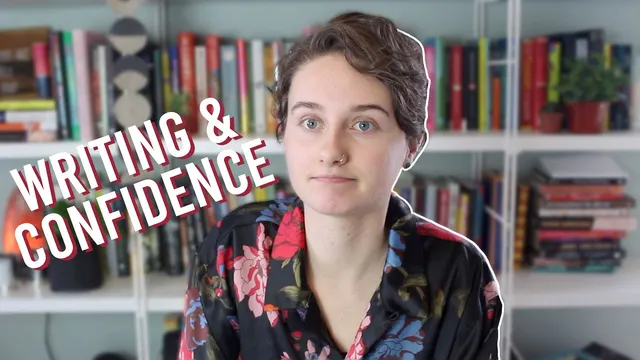
My (Long) Journey With Confidence as a Writer
Based on ShaelinWrites's video on YouTube. If you like this content, support the original creators by watching, liking and subscribing to their content.
Shaylyn’s confidence shifted from enjoyment without judgment to self-doubt once she could better perceive quality and mistakes.
Briefing
Confidence as a writer didn’t arrive through a sudden inner breakthrough; it stabilized only after years of insecurity, outside validation, and a hard-earned shift in how Shaylyn (ShaelinWrites) values her own work. The central lesson is blunt: she spent a long time treating her writing quality as a proxy for her worth, so any critique—especially from strangers online—could instantly erase the confidence she felt while drafting. Over time, that feedback loop loosened, and she reached a point where she can like her writing regardless of whether it’s “good,” and where criticism no longer feels like a verdict on her character.
Her confidence began early and looked effortless around age eight, when she couldn’t easily judge quality and simply enjoyed writing. Doubt crept in around 13 as she became more capable of spotting errors, making it harder to maintain the same unfiltered self-belief. In her teens, even well-meaning adult encouragement landed oddly: she interpreted praise as something she didn’t truly deserve, because she privately saw a writing career as unlikely and embarrassing to want. That insecurity deepened into a belief that she couldn’t trust her own assessment—reinforced by online claims that writers lack the ability to judge their work. When she liked something she wrote, a “little voice” would counter with the fear that she was arrogant or deluding herself.
The pressure intensified when she pursued writing academically. After switching from an initial science track, she entered university and hit a mental block in an intro writing course, struggling to generate ideas and producing work she felt was forced. She also did early beta reading rounds—an experience she now regrets—because critique from strangers felt harsh and black-and-white. As her author platform grew, comments accusing her of arrogance and “bad writing” became a recurring trigger. Each time she expressed pride, she internalized the idea that confidence meant she was a bad person, which led her to avoid liking her own drafts and even abandon books after finishing them.
A turning point came around January 2017, when her confidence began to rise through external proof rather than internal certainty. As her mental block lifted, she produced work she cared about, earned better grades, received supportive feedback from classmates and professors, and even got her first story published. She describes this as building a “shield” against internet negativity: when respected instructors and peers validated her, she could temporarily override the online noise. Over the next couple years, her confidence became steadier, until she reached a stable place roughly two years ago.
Now, her confidence functions differently. She no longer asks whether she’s “allowed” to like her writing; she can enjoy it even if it’s not perfect, and she treats dissatisfaction as craft-related rather than moral failure. She credits several mindset shifts: stop weighting one hateful comment more than many praises; accept that loving your work isn’t inherently arrogant; write on her own terms instead of trying to please others; and separate respect for herself as a person from the quality of her output. She also concludes that for sensitive writers, internet exposure can be uniquely destabilizing—even when it brings opportunities—because it can keep the old insecurity loop alive.
Cornell Notes
Shaylyn’s writing confidence didn’t grow from self-belief alone; it stabilized after years of insecurity, harsh critique, and a gradual change in how she interprets feedback. Early on, she enjoyed writing without judging quality, but doubt emerged in her early teens when she could spot mistakes and began to distrust her own judgment. University exposed her to idea-block struggles, beta reading critique, and later internet comments that framed her confidence as arrogance—making her avoid liking her own drafts. Around 2017, her confidence improved through external validation (better grades, respected professor feedback, and publication), which helped her build a buffer against online negativity. Eventually she reached a stable mindset: she can like her writing regardless of objective quality, and criticism affects the work—not her worth as a person.
Why did Shaylyn’s confidence change from effortless enjoyment to persistent self-doubt?
What role did online feedback and beta reading play in weakening her confidence?
How did university experiences contribute to her confidence crisis?
What changed around January 2017, and why did it matter?
What does Shaylyn mean by separating self-worth from writing quality?
What practical mindset changes does she recommend for writers dealing with insecurity?
Review Questions
- What specific beliefs made Shaylyn distrust her own judgment of her writing, and how did those beliefs interact with online comments?
- Which external signals (grades, professor feedback, publication) helped her rebuild confidence, and why were they effective given her earlier insecurity?
- How does Shaylyn’s current view of liking imperfect work differ from her earlier belief that she had to “earn” the right to like her writing?
Key Points
- 1
Shaylyn’s confidence shifted from enjoyment without judgment to self-doubt once she could better perceive quality and mistakes.
- 2
She internalized a harmful equation: feeling proud of her writing meant she was arrogant, so she avoided liking her drafts.
- 3
Beta reading and internet comments from strangers intensified her insecurity because they felt black-and-white and personal.
- 4
A major turning point came when university success (better grades, respected professor feedback, and publication) provided external validation that grounded her.
- 5
Her stable confidence now comes from separating self-worth from writing quality and allowing herself to like her work regardless of how “good” it is.
- 6
She recommends weighing praise and criticism more evenly, writing on her own terms, and not treating one hateful comment as more intelligent than many positive ones.
- 7
For sensitive writers, she argues that internet exposure can prolong insecurity even when it brings opportunities.