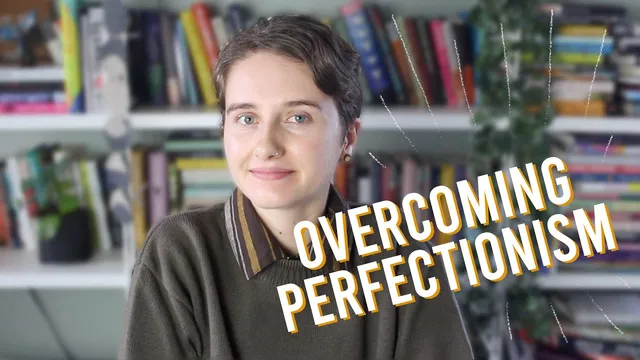
Overcoming Perfectionism as a Writer
Based on ShaelinWrites's video on YouTube. If you like this content, support the original creators by watching, liking and subscribing to their content.
Stop treating small mistakes as proof the entire manuscript is ruined; judge work by holistic impact and reader connection.
Briefing
Perfectionism in writing doesn’t just slow drafts—it can distort what “good” even means, pushing writers to treat tiny flaws as proof the whole piece is ruined. The core fix is learning to stop nitpicking and instead judge work by its overall impact: whether it connects, moves, and accomplishes what it set out to do.
A major theme is that readers rarely experience stories the way perfectionists do. One typo, an awkward sentence, or a repeated word can feel like a stain to the writer, especially when the writer keeps searching for the one thing that “taints” the entire piece. But the standard applied to one’s own work is often harsher than the standard used for books and films consumed for pleasure. Small errors are common—and removing every last one is nearly impossible, even for experienced writers who do multiple drafts. The more gently a writer reads other work, the easier it becomes to extend that same grace to their own drafts.
That shift also changes when a piece is considered “done.” Perfection is treated like a binary—either flawless or bad—but long-form writing makes that standard unrealistic. Novels are inherently messy: they sprawl, accumulate tangents, and leave threads that may never fully resolve. A guest speaker’s framing resonates here: writers coming from short fiction can sometimes achieve a “perfect” short story because every word can be tightly purposeful, while a novel’s length and complexity make perfection unattainable. Instead of chasing an error-free finish, the goal becomes contentment—feeling the work says what it needs to say and does its job.
Perfectionism can also backfire creatively. A literary magazine example illustrates how “nothing wrong” can still mean “nothing exciting”: risk-averse pieces may pass late-stage review because they’re technically clean, yet they can be dull. Meanwhile, more inventive work that takes chances may be rejected because it has more room for error. The takeaway is that judging by the absence of flaws doesn’t always produce the best writing; sometimes the imperfections are the very texture that makes characters feel real and stories feel alive.
The argument extends to reading and craft: flaws don’t inherently make a work bad, and many beloved books contain noticeable weaknesses. Readers tend to care about immersion, emotional effect, and connection more than objective unblemished execution. Likewise, a book doesn’t need to score a perfect 10 across every category; it can shine through one or two strengths while other elements sit in the background.
Finally, perfectionism can be repurposed rather than eliminated. Use it as fuel during drafting—care, revision, and attention to detail—then learn to let go once the work is finished. The writer’s instinct to re-read after publication often sours the experience because mistakes feel irreversible. Moving on becomes part of the craft: trust that the effort mattered, and stop treating every discovered flaw as a verdict on the whole piece.
Cornell Notes
Perfectionism turns writing into a pass/fail test where tiny mistakes feel catastrophic, even though readers usually judge stories by overall impact. Small errors are hard to eliminate and don’t automatically make a work bad; many widely loved books contain flaws. Because novels are long and complex, “perfect” is effectively unattainable—contentment with what the piece accomplishes is a more realistic finish line. Risk-taking also matters: technically flawless work can be dull, while inventive work may include more visible imperfections. The practical approach is to use perfectionism as drafting fuel, then let the work go once it’s done.
Why does nitpicking feel so convincing to perfectionist writers, and why is it often misleading?
What does “done” mean if perfection is impossible—especially for novels?
How can perfectionism reduce the quality of published work?
Do flaws make a work inherently bad, according to the transcript?
What’s the recommended strategy for dealing with perfectionism after finishing a draft?
Review Questions
- What specific standard does perfectionism impose on writers, and why does the transcript argue that standard is unrealistic?
- How does the transcript distinguish the “finish line” for short fiction versus novels?
- What creative risk does the transcript suggest perfectionism can discourage, and what consequence does that have for what gets published?
Key Points
- 1
Stop treating small mistakes as proof the entire manuscript is ruined; judge work by holistic impact and reader connection.
- 2
Extend the same grace used when consuming other books to your own drafts, since even careful writers can’t eliminate every typo.
- 3
Redefine “done” as contentment—when the piece accomplishes what it set out to do—rather than as error-free perfection.
- 4
Accept that novels are inherently messy and that perfection is effectively unattainable at long-form scale.
- 5
Recognize that flaw-free work can still be dull, while riskier work may include imperfections that make characters and stories feel real.
- 6
Remember that beloved books often have flaws and that a story can be excellent by excelling in one or two areas rather than everything equally.
- 7
Use perfectionism as drafting fuel, then deliberately let go after finishing to avoid endless over-editing and post-publication souring.