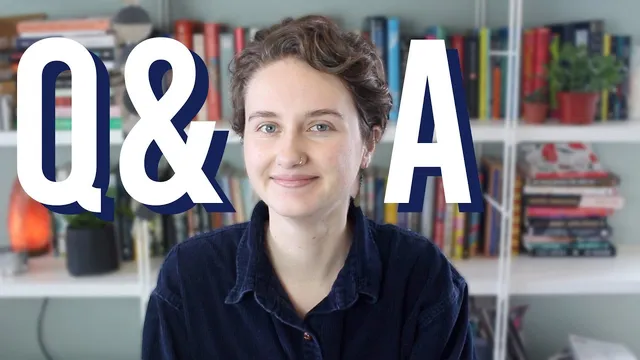
Poetry vs Purple Prose, Writing Career Plans, & Revision Process | Writing Q&A
Based on ShaelinWrites's video on YouTube. If you like this content, support the original creators by watching, liking and subscribing to their content.
Begin revision by identifying the specific editing needs you can already feel or name, then fix those first rather than attempting a full overhaul at once.
Briefing
Revision starts with diagnosing what the draft actually needs, not with chasing a universal checklist. The first step is to ask, “What do I feel my draft needs with editing?” If the problems are already known, fix those first. If the issues aren’t clear, letting the manuscript sit for a couple of weeks and returning with fresh eyes can surface structural and craft problems that were invisible during the exhausting push to finish. When uncertainty persists, a critique partner can provide the missing map—ideally after some self-editing, though sharing early drafts can work if the relationship is trusted and collaborative. The guiding principle is to identify the problems already on the radar and address them one at a time, starting with what the writer knows the book needs.
A second throughline is reframing “critical reading” as a skill that includes appreciation, not just fault-finding. With craft knowledge, it becomes easier to articulate why something works—so the reader can enjoy strengths while still noticing where potential isn’t fully used. That mindset also changes how writers handle their own drafts: rereading and picking at the work can be productive editing rather than a sign of failure, especially when it’s part of a deliberate process. For writers who can’t stop revisiting, setting a hard deadline and sending the draft to critique partners can force closure; once feedback is requested, the urge to keep “randomly” editing tends to fade.
Starting a new novel, meanwhile, is treated as an action problem rather than an inspiration problem. There’s no reliable sign or perfect time; the practical answer is to begin anyway—often with external pressure like nanowrimo to break the loop of brainstorming limbo. Similarly, when revision happens “as you go,” the balance depends on the writer’s psychology. Editing during drafting can be healthy for some people, but it becomes a trap for others who tinker with sentences instead of moving forward. A workable compromise described here is to draft in chunks, then do larger editing passes (including line edits where needed) while reserving attention for bigger issues rather than getting stuck perfecting individual lines.
Career goals and creative identity show up as another major theme. Full-time authorship is appealing, but the longer-term aim is to become a writing professor—valuing mentorship, teaching, and helping others figure out how to make their work “the best it can possibly be.” Even questions about character goals in literary fiction are answered through reading habits: internal yearning drives the external goal, so the “why” behind the goal matters more than the goal itself. The advice is to study the genre by reading widely, because writing literary fiction without that foundation can leave writers feeling stumped.
Finally, style debates are handled with nuance. Poetic prose isn’t automatically “purple prose”; the real danger is when poetic language blocks clarity and stops communicating. Vivid, surprising imagery can be valuable, but melodramatic clichés and overwrought complexity that don’t reveal character or advance meaning cross the line. The overall message is consistent: embrace a personal style, but prioritize clarity and purpose—then revise with targeted, time-bound decisions rather than endless hovering.
Cornell Notes
Revision should begin by identifying the specific problems the draft needs, then fixing those first rather than trying to solve everything at once. If issues aren’t obvious, stepping away for a couple of weeks and returning with fresh eyes helps; if uncertainty remains, a critique partner can provide guidance after some self-editing. For writers who can’t stop rereading, treating rereading as part of the process—and using deadlines to send work out for feedback—can prevent endless tinkering. Starting a new novel requires action over waiting for inspiration, and chunked drafting with periodic larger edits can reduce sentence-level tinkering. Across craft questions, the emphasis stays on purpose: poetic language is welcome when it serves clarity and character, not when it becomes melodramatic obscurity.
What’s the first practical step when revising a first draft that feels overwhelming?
How can a writer avoid getting stuck tinkering with sentences instead of moving on?
What’s the advice for starting a new novel when brainstorming never turns into drafting?
How should writers think about “critical reading” and enjoying books while learning craft?
When does poetic prose become “purple prose,” and what should writers prioritize?
How does literary fiction differ in how character goals function?
Review Questions
- When revising, what decision rule helps you choose the first editing target: known issues, a rest-and-reread cycle, or critique partner feedback?
- What signs suggest that editing “as you write” is harming progress, and what chunk-based alternative could replace it?
- How do you distinguish poetic style from purple prose in terms of clarity and character/story purpose?
Key Points
- 1
Begin revision by identifying the specific editing needs you can already feel or name, then fix those first rather than attempting a full overhaul at once.
- 2
If draft problems aren’t obvious, rest the manuscript for a couple of weeks and reread with fresh eyes to uncover issues.
- 3
When stuck, use a critique partner for guidance—ideally after some self-editing—because sometimes feedback is the only way forward.
- 4
To start a new novel, prioritize action over waiting for inspiration; external deadlines like nanowrimo can break brainstorming limbo.
- 5
Avoid sentence-level tinkering that blocks drafting; consider drafting in chunks and doing larger editing passes periodically.
- 6
Treat rereading as potentially productive editing, and if it becomes compulsive, set a deadline and send the work out for feedback.
- 7
Poetic prose is valuable when it serves clarity and meaning; purple prose is when language becomes melodramatic or obscures what the reader needs to understand.