Recent Reads #52 | Complicated queerness + supporting Palestinian authors
Based on ShaelinWrites's video on YouTube. If you like this content, support the original creators by watching, liking and subscribing to their content.
Idlewild by James Frankie Thomas uses a later-in-adulthood framing and a closeted-yet-unnamed identity to make queer friendship feel complex, funny, and tragic.
Briefing
A standout theme across these recent reads is complicated queerness—messy, lived-in, and often funny—paired with writing that treats identity as something people navigate in real relationships, not just label on a page. The strongest example is Idlewild by James Frankie Thomas, set at a Quaker high school in the early 2000s and later revisited in adulthood after a friendship fractures. The novel centers on Nell, an openly lesbian teenager, and Fay, a closeted gay trans man who doesn’t yet recognize what he is. That mismatch—between what the characters feel and what they can name—drives a friendship full of resentment, tenderness, and tragedy, while still landing sharp comedy, including a very 2000s, chronically online plot involving classmates’ live journals.
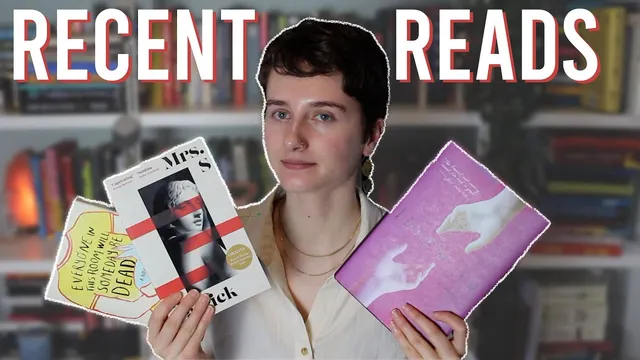
Several other books reinforce this “queerness as lived complexity” idea, though with different tonal approaches. Everyone in This Room Will Someday Be Dead by Emily Austin follows Gilda, an anxiety-ridden atheist lesbian who works as a secretary in a Catholic church and has to hide her queerness. Its short scene structure creates a brisk pace that mirrors spiraling thoughts, making the book feel urgently human even when it cuts threads a bit too quickly. Organ Meats by Cing Chang also leans into queer friendship and high-density originality; the narrator praises its sentence-level brilliance and humor, even while noting the ideas can feel so packed that the overall narrative connection sometimes blurs. Ghost Music by Onyu offers a quieter, surreal character study: a piano teacher in Beijing wants a child, faces marital and family tension, receives mushrooms by mail, and follows a dreamlike search for a famous pianist.
Beyond queerness, the list includes experimental and place-based storytelling that asks readers to adapt their expectations. Tahoe by Koto Tiuan is an experimental collage of poetry, memoir, and vignettes set in an alternate reality where Vancouver Island and New Zealand share an ocean and Indigenous cultures share history. It’s less about a conventional plot and more about thematic exploration—healing from colonialism, motherhood, community—so the reading experience becomes “go with it, piece by piece.” Mud Flowers by Ali Waterman and Mrs S by K Patrick both focus on relationships, but with different outcomes: Mud Flowers begins with intense momentum and gorgeous insight before losing direction, while Mrs S delivers a tightly unified style—punchy, rhythmic, and emotionally repressed yet bursting with desire—around a butch lesbian matron and an affair with the headmaster’s wife.
Finally, the episode ends with a clear political emphasis: supporting Palestinian authors is meaningful, but it isn’t a substitute for action. The vignettes of Sbach Beneath Unlikely Skies by H. A. (as read in transcript) are framed as youth and girlhood growing up in Gaza, with each moment tied to a song. The recommendation expands into additional Palestinian titles—Salt Houses, You Exist Too Much, Minor Detail, The Skin and Its Girl, and others—alongside calls to contact representatives, donate, and keep protesting as the genocide continues.
Cornell Notes
The strongest through-line is complicated queerness: friendships and identities that are messy, funny, and emotionally real rather than neatly resolved. Idlewild by James Frankie Thomas delivers an intense, lived-in queer friendship at a Quaker high school, later reframed in adulthood, with Nell openly lesbian and Fay a closeted gay trans man who hasn’t named himself yet. Everyone in This Room Will Someday Be Dead by Emily Austin pairs Catholic-church secrecy with anxiety-driven pacing, using short scenes to mirror spirals of thought. Other books vary the approach—experimental form in Tahoe, surreal tenderness in Ghost Music, and relationship-driven style unity in Mrs S—while Sbach Beneath Unlikely Skies shifts the focus to Gaza girlhood through song-linked vignettes. The episode also stresses that reading Palestinian authors should come with real-world support and protest.
Why does Idlewild land as a “complicated queerness” book rather than a straightforward coming-out story?
How does Everyone in This Room Will Someday Be Dead make anxiety feel structurally “on the page”?
What reading strategy does Tahoe require, and what does it aim to accomplish?
What does the episode suggest about the relationship between style and emotion in Mrs S?
How does the episode balance cultural support with political urgency regarding Palestine?
What’s the main critique of Mud Flowers despite strong praise for its writing?
Review Questions
- Which specific narrative choices in Idlewild (time framing, character self-knowledge, humor) make the friendship feel “lived in” rather than plot-driven?
- How do short scenes and brisk pacing function in Everyone in This Room Will Someday Be Dead—what emotional experience do they create?
- What does Tahoe’s experimental structure change about the reader’s expectations for “story,” and how should a reader respond to that?
Key Points
- 1
Idlewild by James Frankie Thomas uses a later-in-adulthood framing and a closeted-yet-unnamed identity to make queer friendship feel complex, funny, and tragic.
- 2
Everyone in This Room Will Someday Be Dead by Emily Austin turns anxiety into structure through short scenes and fast pacing, even when that pacing trims some threads.
- 3
Tahoe by Koto Tiuan is intentionally non-conventional, blending poetry/memoir/vignettes to prioritize thematic exploration over a traditional narrative arc.
- 4
Ghost Music by Onyu combines quiet character study with surreal elements (dreams and mushrooms) to keep the emotional tone cohesive.
- 5
Mud Flowers by Ali Waterman delivers gorgeous, human observations but loses momentum after the opening third, reducing the impact of its insights.
- 6
Mrs S by K Patrick is praised for tight alignment between rhythmic style and repressed-but-bursting desire in an affair plot.
- 7
Support for Palestinian authors is treated as necessary but insufficient; it should be paired with concrete political action like contacting representatives and protesting.