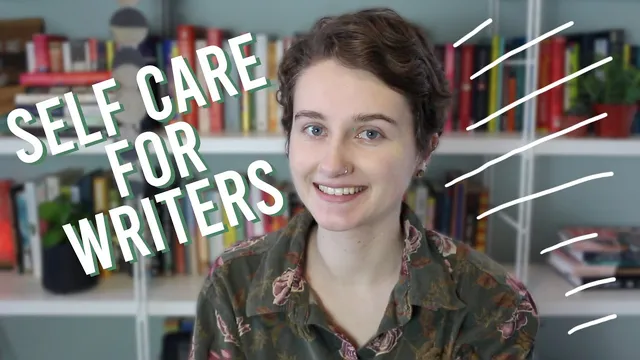
Self-Care Tips for Writers!
Based on ShaelinWrites's video on YouTube. If you like this content, support the original creators by watching, liking and subscribing to their content.
Well-being should be prioritized over output; if writing harms health or happiness, adjusting the process is justified.
Briefing
Self-care for writers is less about indulgent rituals and more about building a writing process that protects well-being—because long-term output depends on staying mentally and physically able to create. The core principle is blunt: well-being comes before art. Chasing a stereotyped “writer” lifestyle—sleep-deprived, miserable, and sustained by caffeine or worse—doesn’t have to be the price of making work. If writing starts to interfere with health, it’s acceptable to step back, change routines, or adjust expectations so the work doesn’t cost happiness and stability.
That mindset shows up in how writers handle feedback and online pressure. On the internet, some authors and communities can make others feel ashamed for not following rigid “rules” about craft—whether that’s outlining, drafting habits, or genre ambitions. The practical response is to avoid toxic voices: unfollow or block accounts that trigger shame, and remember that mental health boundaries are part of the process. Feedback should also be chosen, not endured. Critique matters, but it should arrive on the writer’s terms—at a time when they feel ready, in an environment where they feel safe and respected. The idea that writers must “accept brutality” to be legitimate is rejected as harmful.
A personal example illustrates the cost of ignoring those boundaries: a beta-reading round was pushed forward due to constant online pressure and a sense of obligation, even though the book wasn’t emotionally ready. The result was stress, anxiety, embarrassment, and a belief that the writer was “bad at taking feedback”—until university workshops provided critique delivered with respect. The lesson: beta reading isn’t automatically the right format for everyone. If sharing work in that structure feels unsafe, writers can seek other critique partners, different methods, or delay disclosure until they’re ready.
The same boundary logic applies to reviews. Negative reviews can be read as feedback, but they’re also fixed—published work can’t be edited based on that reaction. If reading reviews makes someone feel unsafe or worse, it’s reasonable to skip them or ask a friend to filter what’s shared.
Self-care also shows up in day-to-day habits. Writers are urged to eat before starting so momentum doesn’t turn into starvation, and to avoid tying writing to unhealthy schedules—especially late-night sessions that keep the brain active and sabotage sleep. More broadly, writers shouldn’t copy processes that don’t fit. Writing every day, outlining, word counts, and schedules are treated as personal tools, not moral tests; if a practice makes someone feel unwell or stressed, it should be dropped.
Finally, healthier motivation beats self-punishment. Reward systems can reframe writing as positive—such as earning a bookstore trip after meeting a goal—while breaks are framed as prevention, not failure. Burnout is described as something to interrupt early, and unhealthy habits (like needing caffeine or late-night writing) shouldn’t be fused into “rituals” that become prerequisites for creation. The closing message is about gentleness: practicing kindness toward others can help writers extend the same compassion to themselves.
Cornell Notes
The central message is that writers should prioritize well-being over output. Self-care isn’t about avoiding hard work; it’s about designing a process that keeps writers safe, respected, and able to keep creating. Feedback and reviews should be sought only in ways that feel emotionally manageable—critique matters, but “brutality” and pressure aren’t requirements for being a real writer. Writers are also encouraged to build routines that support health (sleep, food, pacing) and to reject one-size-fits-all rules like writing every day or outlining. If a practice makes someone feel worse, it should be changed or dropped, and breaks should be taken early to prevent burnout.
Why does the transcript insist that well-being must come before art?
How should writers handle feedback without harming their mental health?
What’s the transcript’s stance on beta reading and reviews?
Which writing habits are flagged as common self-care risks?
How does the transcript treat “rules” about writing process (like writing every day or outlining)?
What motivation strategy does the transcript recommend instead of self-punishment?
Review Questions
- Which parts of feedback delivery (timing, environment, respect) does the transcript treat as essential for safety?
- What are two examples of how writing routines can harm sleep or nutrition, and what adjustments are suggested?
- How does the transcript distinguish between helpful process experimentation and practices that should be dropped?
Key Points
- 1
Well-being should be prioritized over output; if writing harms health or happiness, adjusting the process is justified.
- 2
Online shame and rigid craft expectations are mental-health hazards; unfollow or block accounts that trigger negativity.
- 3
Feedback should be requested on the writer’s terms—only when ready, in a respectful setting, and without pressure to endure “brutality.”
- 4
Beta reading and negative reviews aren’t automatically beneficial; choose critique formats and review habits that feel safe and manageable.
- 5
Writing routines should support basic needs: eat before drafting, avoid late-night sessions that disrupt sleep, and don’t fuse unhealthy habits into “requirements.”
- 6
Process rules like writing every day or outlining are optional; practices should be kept only if they work for the individual.
- 7
Use rewards and breaks to prevent burnout and keep writing framed as positive or neutral rather than as punishment.