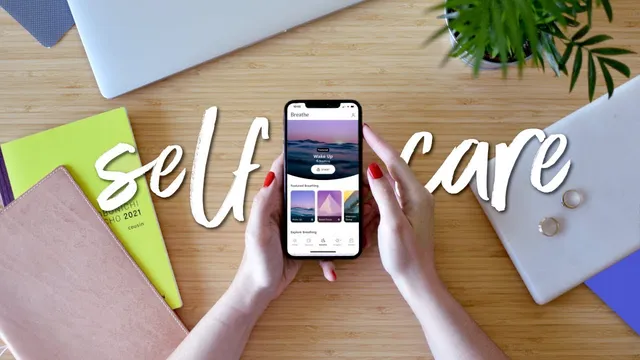
The Best Apps for a Better You
Based on Mariana Vieira's video on YouTube. If you like this content, support the original creators by watching, liking and subscribing to their content.
Alloy Bud is a lightweight habit tracker that pairs check-ins, journaling prompts, and reminders, with premium mainly expanding customization.
Briefing
Self-care apps are increasingly about more than meditation or journaling—they’re turning daily check-ins, habit tracking, and health insights into quick, phone-based routines. The core idea behind this list is practical: pick an app that matches the kind of self-care we’ll actually stick with, then use reminders and lightweight reflection to stay consistent. Because many of these tools are subscription or freemium, the “best” option often depends on whether the free tier is enough or whether full features are needed.
The lineup starts with Alloy Bud, a pocket-friendly habit tracker that combines check-ins, journaling prompts, and reminders. It’s positioned as an easy entry point for people who want structure without getting overwhelmed, with premium mainly expanding reminder options and letting users create custom reminders. Shine takes a more conversational approach: it blends meditation, a gratitude journal, and motivational content into one app, with short daily affirmations and a chat-style check-in flow. It’s available on both iPhone and Android and includes a free version plus a yearly membership that adds a meditation library, member-only events, and a moods tracker.
For users who want meditation first, Calm is framed as a meditation-focused alternative that trades away journaling and tracking features found in other apps. It offers a large library spanning quick sessions, sleep support, and focus-oriented music. Zhu shifts the emphasis to guided journaling: users choose from topic-based journals (relationships, stress and anxiety, confidence, work, and more), then follow thematic prompts they can repeat. It also includes breathing exercises and an insights area to visualize mood and track journaling progress. Water Reminder is the simplest add-on on the list—tracking daily water intake with history and nutrition glimpses, and offering extra features if paired with an Apple Watch.
Several apps target reflection with different levels of structure. Grateful keeps journaling minimal with a small set of prompts and the ability to add photos, but the free version is capped at 15 entries, making premium feel necessary for long-term use. Clue focuses on cycle tracking—PMS symptoms, mood, and predictions based on past history—along with health insights written to help anticipate what symptoms may show up during hormonal fluctuations. Tangerine blends routine building, moods, goal tracking, and guided journaling templates, leaning more toward productivity than pure self-care; premium unlocks unlimited reminders and habits plus helpful stats.
Finally, Fabulous is presented as a behavioral-science-driven habit planner that builds personalized routines step by step—morning, afternoon, evening, and other habits—complete with milestones and affirmations. It’s also the most expensive option mentioned, with a seven-day or 30-day free trial depending on access, then roughly $40 per year.
To reduce information overload, Sidekick is included as a free newsletter service that delivers personalized recommendations twice a week based on interests—aimed at helping users find better habits and self-improvement ideas without endless scrolling. Overall, the list treats self-care as a system: choose the app that fits the habit you’re ready to practice, then use reminders, tracking, and guided prompts to keep momentum.
Cornell Notes
The list frames self-care apps as habit systems that help users stay consistent through reminders, check-ins, and guided reflection. Alloy Bud offers lightweight habit tracking and journaling prompts, while Shine combines meditation, gratitude journaling, and motivational content in a chat-style check-in. For guided journaling, Zhu provides topic-based journals with repeatable prompts, breathing exercises, and mood/insight tracking. Calm emphasizes meditation libraries without journaling or tracking, and Water Reminder focuses narrowly on hydration. Cycle tracking and predictions come from Clue, while Tangerine and Fabulous blend routine building with moods and journaling—Fabulous using behavioral-science habit plans and milestones. Sidekick supports self-improvement by delivering personalized newsletters twice weekly.
How do Alloy Bud and Shine differ in what they ask users to do each day?
Why might someone choose Zhu over a meditation-first app like Calm?
What trade-off does Grateful make to stay minimal?
How does Clue turn cycle tracking into actionable predictions?
Where does Tangerine sit on the self-care vs productivity spectrum?
What makes Fabulous structurally different from the other apps listed?
Review Questions
- Which app(s) best match a user who wants guided journaling with repeatable topic prompts and mood insights?
- If someone wants hydration tracking with optional Apple Watch integration, which app fits that need?
- How do Clue’s cycle predictions differ from a general habit tracker’s reminders and check-ins?
Key Points
- 1
Alloy Bud is a lightweight habit tracker that pairs check-ins, journaling prompts, and reminders, with premium mainly expanding customization.
- 2
Shine combines meditation, gratitude journaling, and motivational affirmations, using a chat-style check-in flow and offering a yearly membership for deeper features.
- 3
Calm is meditation-centric and intentionally omits gratitude journaling and tracking elements found in more “all-in-one” apps.
- 4
Zhu introduces self-care through guided journaling by topic, supported by breathing exercises and an insights area for mood and journaling progress.
- 5
Water Reminder is a narrow, easy tool for tracking daily water intake, with added benefits when paired with an Apple Watch.
- 6
Grateful keeps journaling minimal but caps the free tier at 15 entries, making premium likely for ongoing use.
- 7
Clue and Tangerine focus on health and routine systems—Clue through cycle tracking and symptom predictions, Tangerine through recurring habits, goals, and hybrid journaling.