The Paradox of Being Nice
Based on Pursuit of Wonder's video on YouTube. If you like this content, support the original creators by watching, liking and subscribing to their content.
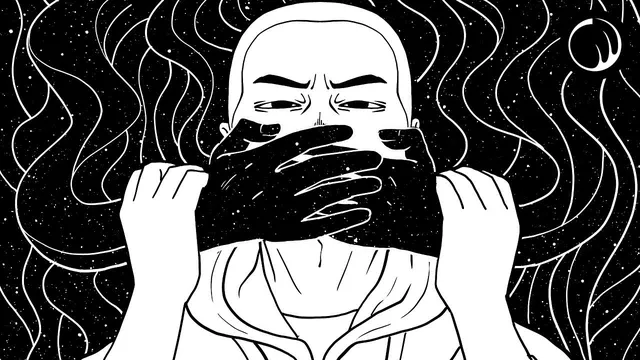
John’s sense of self collapses under a lifetime of performing for approval rather than experiencing his own reality.
Briefing
A terminally ill man in hospice confronts a painful truth: years of trying to be “liked” and “seen” by others hollowed out his own sense of self. In a late-night conversation with his wife, Kate, he links his emotional numbness and final-stage detachment to a lifetime of performing—editing his personality to match what parents, friends, teachers, partners, and bosses wanted to see. The realization lands with force as his medical prognosis and the looming end of life strip away the social pressure that once kept him tightly managed.
He tells Kate he has never felt like himself around anyone. The problem wasn’t that others failed him; it was his own compulsion to manage perception. He describes a gradual shift from caring about relationships to caring only about how he was experienced in other people’s minds—how well he played along, how consistently he met expectations, and how successfully he maintained an image of being smart, competent, happy, and “the greatest.” When his doctor said his chances of living past a year were very low, he says he began living on borrowed time, feeling like a ghost haunting his own life. In that state, he stopped caring about the external markers that once defined him, even though he still cared deeply in general.
Kate initially reacts with confusion and frustration, asking why he married her if he wasn’t fully himself. As the conversation unfolds, her expression softens when he clarifies that the issue isn’t about her or their relationship. He admits he spent his life worrying about whether people loved him, and he changed himself in “moments in phases in years” to ensure approval. He even reduces his own humanity—calling it a paradox of narcissism and self-abandonment—where the self becomes both the obsession and the thing he abandons.
The hospice setting intensifies the stakes. He fears he will die without ever being truly seen, not as a “perfect person,” but as a real one. Yet the emotional pivot comes when Kate reframes the story: being “nice” and putting others first can be a good instinct, and whatever he did was shaped by what he knew at the time. She challenges him to stop hiding behind performance and to “be who you really are” while there is still time.
The closing turn shifts from confession to method. A guided journal called “All the ways things could go” is introduced as a tool for self-understanding through creative writing and drawing prompts. One example prompt—writing an obituary—aims to force a perspective shift, helping someone imagine the kind of person they want to be after the social self is “out of the way,” making room to recognize what’s authentic beneath the performance.
Cornell Notes
In hospice, John tells his wife Kate that he has never felt like himself with anyone. He traces his emotional numbness to a lifetime of trying to control how others perceived him—changing his personality to earn approval from family, friends, teachers, partners, and bosses. When his prognosis made the future feel short, the need to maintain that image collapsed, leaving him both detached and newly lucid about how much of himself he abandoned. Kate responds by separating his intentions from his outcomes, arguing that his kindness and self-sacrifice were real, even if they came with self-erasure. She urges him to use the remaining time to show his real self.
What does John mean by “a paradox of narcissism and self-abandonment”?
How does the hospice timeline change John’s priorities?
Why does Kate initially react with confusion and anger?
What is the core fear John expresses about his death?
How does Kate’s response reframe John’s story?
What role does the guided journal “All the ways things could go” play in the message?
Review Questions
- How does John’s need for approval evolve from a daily habit into a barrier to feeling like himself?
- What changes in John’s emotional life when the future becomes less certain, and why does that matter to his sense of identity?
- How does Kate’s reframing of his intentions challenge John’s self-judgment?
Key Points
- 1
John’s sense of self collapses under a lifetime of performing for approval rather than experiencing his own reality.
- 2
His detachment in hospice isn’t total indifference; it’s a withdrawal from external validation that no longer feels meaningful.
- 3
Kate’s central correction is that his kindness and self-sacrifice were real, even if they came with self-erasure.
- 4
John’s fear at the end of life is not death itself, but dying without being truly seen as an authentic person.
- 5
The “All the ways things could go” guided journal uses creative prompts—like writing an obituary—to bypass the social image and surface deeper self-knowledge.
- 6
The conversation reframes “being nice” as potentially good character, while still leaving room for the need to show one’s real self.