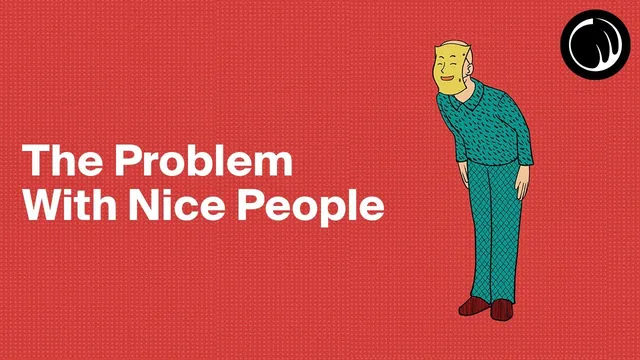
The Problem with Nice People
Based on Pursuit of Wonder's video on YouTube. If you like this content, support the original creators by watching, liking and subscribing to their content.
Fred’s “niceness” often means avoiding discomfort rather than addressing needs, which prevents relationships from adjusting.
Briefing
“Nice” can function like a social strategy for avoiding discomfort—until it quietly trains other people to ignore your needs. Fred’s life arc shows how repeatedly prioritizing others, refusing conflict, and staying silent about resentment can produce the very isolation and betrayal he’s trying to prevent.
Fred’s pattern begins early. After meeting Aubry, he agrees to do what Aubry wants—watching Star Trek—even though he dislikes it. He frames “being nice” as putting others’ desires first and avoiding anything that might upset them. Over time, he stops trying to steer the relationship toward what he actually wants. By the end of the school year, he simply disappears, leaving Aubry confused and unable to understand why the friendship ended. The key detail isn’t that Fred dislikes Star Trek; it’s that he never communicates his feelings, so the relationship can’t adjust.
That same avoidance scales up during high school. With more freedom and more social options, Fred says “yes” almost automatically—canceling plans, juggling overlapping schedules, and rarely making room for his own hobbies, interests, or peace of mind. He becomes dependable on the surface while privately resenting friends and family for taking advantage of his compliance. Graduation brings consequences: some friends drift away, and Fred intentionally breaks ties with most of the rest, again without clear explanations.
In college, Fred’s “nice” approach reshapes his romantic life. With Tara, he avoids fights and rarely raises issues directly, even as her behavior repeatedly hurts him—going silent for days, making plans without telling him, showing little patience, and asking for accommodations while neglecting his own needs. When he finally voices discomfort, it’s vague and late; he doesn’t confront the underlying problems. The relationship collapses after Tara cheats. Even then, Fred stays for months, rationalizing her reasoning rather than addressing his own emotional reality.
Afterward, Fred repeats the same dynamic at work. In a digital marketing coordinator role, he puts on a smile, overpromises, and underdelivers—helping beyond his capacity to avoid disappointing others. He keeps his real feelings hidden, even as he despises his boss and coworkers and feels stuck in work beneath his skill set.
By 28, alone and confused, Fred meets Amina, whose questions force a reckoning. She challenges the idea that niceness is automatically kind, arguing that “kindness” isn’t quiet submissiveness; it’s confronting issues honestly and fairly, even when it’s uncomfortable. Fred recognizes the trap: when niceness is really about being liked, it becomes self-protective and selfish in disguise. The conversation reframes his problem from “people are selfish” to “his own silence has been letting others benefit from his compliance.” The result is a new pace—slower, but with clearer boundaries and a willingness to address problems instead of disappearing from them.
Cornell Notes
Fred’s “nice” behavior starts as a way to avoid upsetting people, but it turns into a system of silence and over-commitment. He agrees to others’ preferences (like watching Star Trek), says yes to plans even when they conflict with his own life, and stays quiet about relationship and workplace problems. That pattern leaves people confused when he abruptly withdraws, and it also enables mistreatment—culminating in a breakup after Tara cheats and a career exit after years of resentment. Amina reframes niceness as not necessarily kindness: real kindness means confronting issues honestly and fairly, not hiding needs to preserve approval. The stakes are personal: Fred’s avoidance nearly leads to isolation, and the cure is communication and boundaries.
How does Fred’s early friendship with Aubry illustrate the hidden cost of “being nice”?
What changes in Fred’s behavior during high school, and why does it matter?
Why does Fred’s relationship with Tara collapse, even though he tries to avoid fights?
How does Fred’s workplace pattern mirror his relationship pattern?
What does Amina’s critique add that Fred’s self-blame or self-justification misses?
What is the practical shift implied by Fred’s conversation with Amina?
Review Questions
- Where in Fred’s life does silence replace communication, and what immediate consequence does that create for the people around him?
- How does Fred’s definition of “nice” differ from Amina’s definition of “kindness,” and what behaviors would each definition produce in a conflict?
- What evidence suggests Fred’s niceness becomes a form of self-protection rather than genuine care for others?
Key Points
- 1
Fred’s “niceness” often means avoiding discomfort rather than addressing needs, which prevents relationships from adjusting.
- 2
Agreeing to others’ preferences without communicating his own feelings leads to confusion and abrupt withdrawals.
- 3
Overcommitting to social plans can create resentment and emotional depletion, even when the person appears cooperative.
- 4
Avoiding direct conversations in romance and work allows problems to persist until a crisis forces change.
- 5
Amina’s framework distinguishes kindness from submissiveness: confronting issues honestly is part of caring.
- 6
When niceness is mainly about being liked, it can become selfish because it prioritizes approval over the other person’s ability to understand and respond.
- 7
The path forward implied by the story is slower, clearer engagement—communicating boundaries and concerns instead of disappearing.