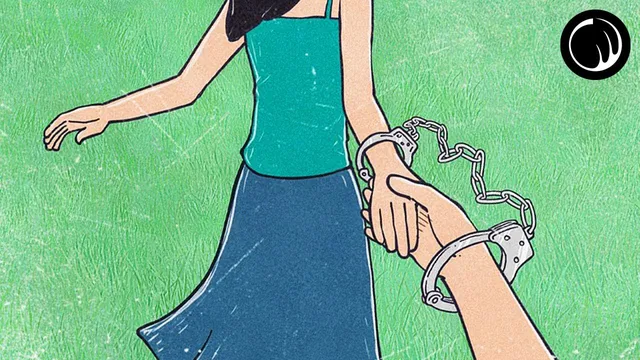
The Terrible Price We Pay For the Fear of Being Alone
Based on Pursuit of Wonder's video on YouTube. If you like this content, support the original creators by watching, liking and subscribing to their content.
Ava’s fear of being alone begins in kindergarten when she experiences being separate and unnoticed, and it becomes a lifelong trigger for action.
Briefing
Fear of being alone drives Ava’s life choices long before she can name the pattern—and the cost shows up in relationships that keep her busy, not fulfilled. As a five-year-old, she sits by herself during recess because she doesn’t know anyone, then feels a new, unsettling sensation: being separate, unnoticed, and alone. The moment a teacher tells her to join other kids, Ava treats connection like an emergency exit. She quickly finds a small group, stays with them through the school year, and later learns to maintain belonging by saying yes to plans and avoiding the risk of looking like a “loner.”
That early strategy scales up through middle school and high school. Weekend invitations, sleepovers, and hangouts become the default way to avoid silence. When her interests—especially running and hiking—don’t match the people around her, she doesn’t break away; she simply keeps choosing social proximity over personal alignment. Dating follows the same logic. After friends pair off, Ava rushes into relationships to avoid being left out, even when she has little in common with her partners. Will ends things after calling her clingy and jealous. Kevin, Chris, and Paul follow in a cycle of “not great but not terrible,” with breakups tied to infidelity and incompatibility. By adulthood, Ava rarely spends time alone, rarely pursues her own hobbies, and rarely focuses on her own life.
The pattern intensifies when her social world quiets. After Paul, most friends become busy with work, serious relationships, and families, while Ava’s own weekends shrink to one or two events and her weeknights become isolated at home. Her anxiety turns into a nightly routine: she falls asleep next to her fear and wakes up beside it. She grabs at any chance to fill the gap—dinner parties with strangers, plans with old acquaintances, and dating meant to “take the silence away.”
A relationship with CJ initially feels like relief. The early stage is warm, funny, and accommodating, but as lust fades, CJ becomes colder and less invested. Ava stays anyway, not because the relationship is healthy, but because the alternative—an empty apartment, an empty bed, dishes that are only hers—feels unbearable. Over time, her fear of losing him turns into compliance: she caves during fights and adapts to his preferences. CJ proposes after four years, they marry, and later his indifference hardens into inertia. When CJ dies in a car accident caused by reckless driving, Ava experiences grief alongside an unexpected emotion: relief. She hides it until therapy, where she learns that complicated grief can include relief, and that guilt can’t be allowed to replace understanding.
After a year of therapy, Ava reaches a turning point. She recognizes how long she has lived in the reflection of other people and how fear—not intention—has guided her. Her therapist reframes the goal: being alone isn’t the enemy, and companionship should be chosen with accuracy, not speed. In the aftermath, Ava still has social opportunities—like a friend texting about a holiday party—but the difference is that she’s no longer treating connection as a life raft. The core change is internal: learning how to be alone first, so she can decide who and what she wants without disappearing into fear.
Cornell Notes
Ava’s fear of being alone begins in kindergarten when she experiences the sting of being separate and unnoticed. To escape that feeling, she repeatedly chooses belonging over fit—staying with groups, saying yes to invitations, and dating quickly even when relationships don’t match her interests or values. In adulthood, her social life quiets, and her anxiety becomes a nightly presence, pushing her into a long relationship with CJ that gradually turns cold and inert. After CJ dies, Ava feels relief—an emotion she initially hides—then uses therapy to understand how fear, not intention, has shaped her life. The resolution reframes the goal: learning to be alone first, so companionship becomes a choice rather than a defense.
What early moment sets the pattern that drives Ava’s later choices?
How does Ava’s strategy of avoiding loneliness show up as she grows older?
Why does Ava stay in the relationship with CJ despite growing emotional distance?
What role does grief play after CJ’s death, and why is relief significant?
What does therapy change about Ava’s understanding of loneliness and companionship?
How does the ending suggest Ava’s life could change going forward?
Review Questions
- What specific emotions does Ava associate with loneliness at different life stages, and how do those emotions influence her behavior?
- How do Ava’s relationship patterns with Will, Kevin, Chris, Paul, and CJ reflect the same underlying coping strategy?
- Why does the therapist’s “pendulum” metaphor matter for Ava’s next steps, and what does it imply about choosing companionship?
Key Points
- 1
Ava’s fear of being alone begins in kindergarten when she experiences being separate and unnoticed, and it becomes a lifelong trigger for action.
- 2
She repeatedly chooses social belonging over personal alignment, staying in groups and dating quickly to avoid silence and exclusion.
- 3
As her social world shrinks in adulthood, her anxiety intensifies into a nightly routine of dread, pushing her to accept plans and relationships that don’t truly fit.
- 4
CJ’s emotional distance gradually turns the marriage into inertia, and Ava’s fear of abandonment leads her to comply during conflicts.
- 5
After CJ’s death, Ava’s relief—paired with grief—becomes a turning point that therapy helps her interpret without crushing guilt.
- 6
Therapy reframes the goal: learning to be alone first so companionship is chosen with intention rather than pursued with speed and fear.