The Three Planes of a Story | Creating Causal Connections
Based on ShaelinWrites's video on YouTube. If you like this content, support the original creators by watching, liking and subscribing to their content.
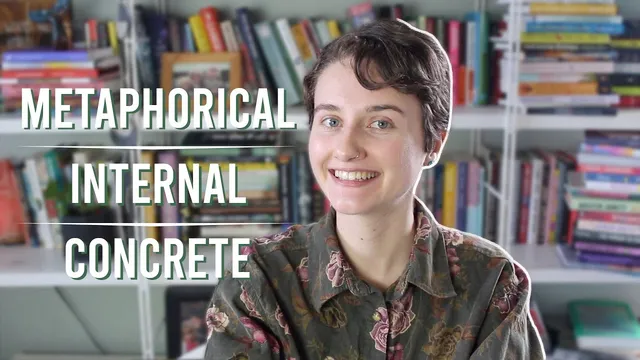
Map story causality across three planes: concrete (physical events), internal (protagonist mind and emotions), and metaphorical (themes, symbols, ideas).
Briefing
Story causality and meaning can be mapped across three “planes”: the concrete plane, the internal plane, and the metaphorical plane. The concrete plane is everything physically happening—scenes, events, dialogue, and interpersonal conflict—where cause-and-effect is visible and not up for interpretation. The internal plane is what happens inside the protagonist’s mind: perceptions, emotions, desires, goals, motivations, and internal conflict. The metaphorical plane sits one step removed: it’s where themes, symbols, ideas, and symbolic conflict live—often perceived by readers but not necessarily recognized by characters.
The key claim is that a story’s causality and significance weave between these planes. What occurs on the metaphorical plane should align with what happens on the concrete plane, and the internal plane acts as the bridge where feelings turn into action. An object or event that exists only physically stays on the concrete plane; it becomes a symbol or metaphor when it also carries meaning on the metaphorical plane. Likewise, a theme isn’t just stated—it’s reflected through representative events and character experience, so the story’s “what happens” and “what it means” reinforce each other rather than drifting apart.
This framework also predicts different patterns of connection across plot points. In plot-heavy, structure-forward novels, scene-to-scene movement tends to rely mainly on concrete causal connections: one physical event triggers the next. The transcript’s example is a character speeding to reach a best friend’s wedding, crashing, and then hitchhiking in the next scene—an external chain that creates a clear structural arc.
In character-driven novels, connections often run through the internal plane. Instead of one event directly causing another through external mechanics, an event triggers an emotional reaction that then drives behavior. The example centers on Kate, who learns her older sister—once her mirror and rival in career dreams—has been nominated for a major award. Later, Kate breaks her sister’s belongings. The link isn’t a physical chain from “award news” to “smashed items,” but an internal one: the emotional response to Kate’s complexes and feelings produces the next action.
Finally, the metaphorical plane can connect scenes through thematic logic. The example uses a theme—“even in moments of tragedy, good will triumph over evil.” After Michael comes home to find his pet duck killed, the duck’s eggs hatch as she had hidden them to protect them. The ducklings bond with him, and he raises them, turning grief into a lived expression of the theme. The transcript admits this kind of example is harder to invent cleanly, but the point is that the “connection” readers track is thematic and symbolic, not merely physical.
The three-plane model also clarifies a distinction between fabulism and fantasy. In high fantasy, magic often follows concrete rules and functions as plot machinery, requiring consistency on the concrete plane. In fabulism, magic may be “soft” or less mechanically rigid, but it still maintains consistency—just on the metaphorical plane—because its purpose is rooted in what the magic represents.
Overall, the framework insists that these layers should reflect one another: physical events gain depth through internal experience, and internal experience gains meaning through symbolic alignment. When the planes interlock, stories feel causally coherent and thematically purposeful rather than segmented into separate concerns.
Cornell Notes
The three-plane story model separates causality and meaning into the concrete plane (visible events), the internal plane (protagonist mind and emotions), and the metaphorical plane (themes, symbols, and ideas). Concrete connections link scenes through physical cause-and-effect; internal connections link scenes through feelings that drive actions; metaphorical connections link scenes through thematic or symbolic logic that may not be recognized by characters. Objects become symbols when they carry meaning beyond their physical presence. The model also distinguishes fabulism from fantasy: fabulism keeps consistency through metaphorical purpose, while high fantasy keeps consistency through concrete rules. The practical takeaway is to design scene-to-scene links so what happens, how it affects the protagonist, and what it means reinforce each other.
What counts as a “concrete plane” connection, and why is it often the backbone of plot-driven writing?
How does an “internal plane” connection work when there’s no direct external cause between scenes?
What makes a connection “metaphorical,” and how does it relate to theme?
When does an object become a symbol in this model?
How does the model distinguish fabulism from fantasy?
Review Questions
- Pick a scene from a story you know. Identify one concrete, one internal, and one metaphorical connection that could link it to the next scene.
- Write a brief scene outline where the next scene is caused primarily by internal plane logic (emotion → action). What information must the reader receive to make the connection feel inevitable?
- Choose a theme you want to express. How would you design a metaphorical plane connection so the theme is reflected through concrete events rather than stated outright?
Key Points
- 1
Map story causality across three planes: concrete (physical events), internal (protagonist mind and emotions), and metaphorical (themes, symbols, ideas).
- 2
Use concrete plane links for visible, plot-structuring cause-and-effect between scenes.
- 3
Use internal plane links when external events don’t directly trigger the next event, but emotional reactions do.
- 4
Treat subtext as a bridge concept between internal and metaphorical meaning, depending on how explicitly it’s presented.
- 5
Make objects symbolic by ensuring they carry meaning on the metaphorical plane, not just physical function on the concrete plane.
- 6
Align metaphorical meaning with concrete action so themes are reinforced by what characters do and experience.
- 7
Differentiate fabulism from fantasy by where magical consistency lives: metaphorical purpose versus concrete rules.